


Why VW 4MOTION All-Wheel Drive Care Matters for Harrison County Backroads
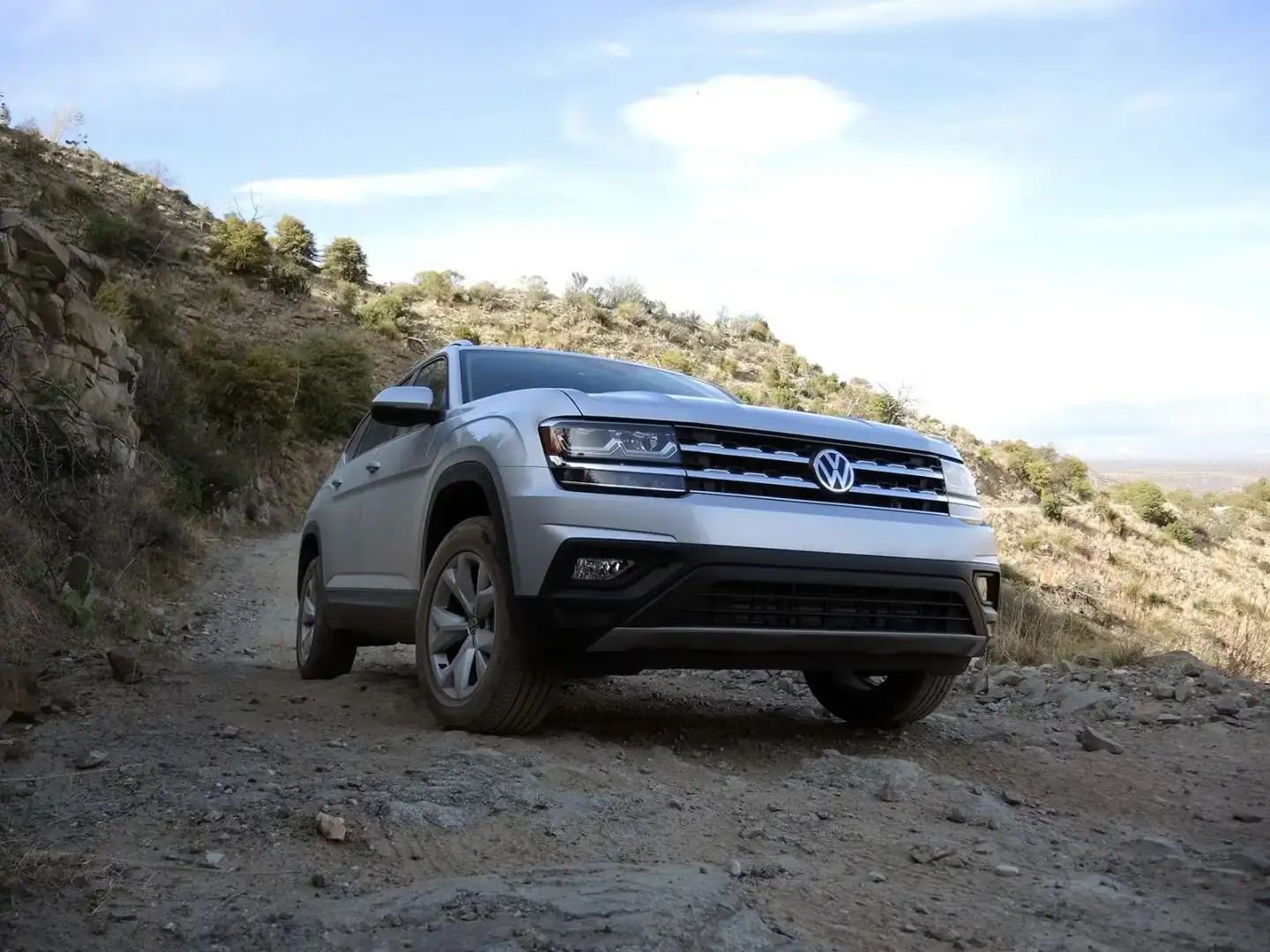
The roads around Clarksburg and Bridgeport are not easy on drivetrains. US-50 between Clarksburg and Grafton winds through narrow elevation changes and wooded curves that load and unload the AWD system with every bend. Secondary roads throughout Harrison County add potholes, gravel, and off-camber surfaces that put the 4MOTION system to work in ways it never encounters on a flat urban commute. A 4MOTION system that hasn’t been properly serviced doesn’t fail dramatically, it degrades quietly, surrendering its traction advantage in exactly the conditions Harrison County roads demand it most.
Understanding what the 4MOTION system is actually doing under those conditions, which components require specific fluid service and at what intervals, and what the warning signs of neglected AWD maintenance look like gives Clarksburg-area VW owners a clear picture of what proper care costs versus what skipping it costs.
How 4MOTION Works and Why It Needs Attention
VW’s 4MOTION system used in transverse-engine vehicles like the Tiguan, Atlas, and Golf R operates on a fundamentally different principle than the Symmetrical AWD found in some competing brands. Rather than sending constant power to all four wheels, 4MOTION is an on-demand system that operates primarily in front-wheel drive under normal conditions and engages rear-wheel torque when the vehicle’s sensors detect a traction differential.
The component that makes that engagement possible is the Haldex coupling, an electro-hydraulic clutch assembly mounted at the rear of the drivetrain. An electronic control unit monitors wheel speeds continuously, and when it detects front wheel slip, it commands a hydraulic pump inside the Haldex unit to pressurize and engage a multi-plate clutch pack that drives the rear axle. That process happens in milliseconds, and it depends entirely on the hydraulic fluid inside the Haldex unit maintaining the pressure and cleanliness required to engage the clutch reliably.
In addition to the Haldex unit itself, the 4MOTION drivetrain on these vehicles involves a front bevel gear assembly connected to the transmission, the Haldex hydraulic fluid circuit, and the rear differential gear oil, which are separate fluids with separate service requirements. Confusing them or neglecting either results in damage that compounds quickly once it starts.
The Haldex Fluid: The Service Most Owners Miss
The Haldex hydraulic fluid is the single most overlooked maintenance item on a 4MOTION VW, and it is also the one with the most direct connection to Haldex pump and clutch pack failure. The fluid lubricates and provides hydraulic pressure to the clutch engagement mechanism, and it runs through a mesh pre-filter on the pump that captures particulate from normal wear inside the unit.
When the Haldex fluid is changed on schedule, that filter is cleaned and the fresh fluid maintains the pump’s ability to build and hold pressure. When the fluid is left past its service interval, the filter progressively clogs with fine metallic particles, the pump struggles to build sufficient pressure, and the clutch pack begins to slip under load rather than engaging fully. That slippage accelerates wear on the clutch plates, generating more debris, which clogs the filter further in a cycle that ends with a Haldex pump failure or a destroyed clutch pack.
The recommended service interval for Haldex fluid is every 30,000 to 40,000 miles. For Harrison County drivers who regularly use their VW on the kind of demanding terrain that activates the 4MOTION system frequently, the lower end of that range is the more appropriate target.
What Neglected 4MOTION Service Actually Costs
The repair costs associated with ignored 4MOTION maintenance are significantly higher than the fluids themselves:
- Haldex pump replacement, the most common failure resulting from neglected fluid service, typically runs from $800 to $1,500 in parts and labor depending on the model
- Full rear differential carrier assembly replacement, required when clutch pack damage has contaminated the differential gear oil and caused internal gear damage, can run from $2,000 to well over $3,000 for parts alone on a replacement unit
- Front bevel gear service, often overlooked because VW’s published documentation is ambiguous about its interval, addresses a component that operates under high load and whose fluid degradation is not visible until damage has already occurred
- Alignment and tire replacement costs that follow when AWD system irregularities cause uneven torque distribution and accelerated tire wear before the driver recognizes the underlying drivetrain issue
A complete Haldex fluid service with filter cleaning and rear differential fluid change at a certified VW dealer costs a fraction of any of those repairs.
Warning Signs That Service Is Overdue
The 4MOTION system’s on-demand architecture means warning signs are often subtle until the damage is advanced. Harrison County VW owners should schedule an inspection if they notice any of the following:
- A juddering or binding sensation when executing tight low-speed turns, such as in a parking lot or a narrow rural driveway, which indicates the Haldex clutch is not releasing cleanly and is a known early sign of fluid degradation
- A traction control warning light that activates during acceleration on loose or wet surfaces where the AWD should be engaging, suggesting the Haldex system is not responding as commanded
- A steady whining noise from the rear of the vehicle that increases with road speed, which points toward rear differential gear damage that has progressed beyond fluid service into component failure
- Uneven tire wear across the front and rear axles that is not explained by alignment or inflation issues, which can indicate inconsistent rear torque delivery from a degraded Haldex clutch pack
None of those symptoms resolve on their own. Each one represents the 4MOTION system telling the driver that a service that should have happened has been delayed too long.
Alignment as Part of 4MOTION Care
Proper wheel alignment is not separate from 4MOTION maintenance on a vehicle like the Tiguan or Atlas. When all four wheels are correctly aligned, the 4MOTION system operates within the wheel speed parameters it was calibrated around. When alignment drifts, particularly at the rear axle, the speed differential between front and rear wheels changes in ways that can confuse the Haldex control unit and cause it to activate or fail to activate at the wrong moments.
Harrison County’s combination of rural backroads, seasonal potholes, and off-camber surfaces is exactly the environment that causes alignment to drift more quickly than highway-only driving. Volkswagen’s published service guidance recommends a four-wheel alignment check every 40,000 miles at minimum, but for drivers regularly using their VW on the roads between Clarksburg, Bridgeport, and the surrounding communities of Harrison County, an annual alignment check is a more practical standard.
How Often to Service the 4MOTION System
A practical 4MOTION maintenance schedule for Harrison County driving conditions looks like this:
- Haldex hydraulic fluid and filter service every 30,000 miles or 3 years, whichever comes first
- Rear differential gear oil service at the same interval as the Haldex fluid, since both are housed in the same carrier assembly
- Front bevel gear fluid inspection and service every 40,000 miles or at any point where the fluid shows discoloration or contamination on inspection
- Four-wheel alignment check annually or after any significant road impact
- AWD system function check at every major service interval, using VW factory diagnostic tooling to confirm Haldex engagement and clutch pack condition
Getting the Right Service in Clarksburg
4MOTION service is not interchangeable with generic AWD maintenance. The Haldex system requires VW-specific hydraulic fluid, the rear differential takes a separate gear oil formulation, and the front bevel gear uses a third fluid entirely. Using the wrong fluid in any of those positions causes accelerated wear or outright damage, and the symptoms may not appear immediately, which makes it easy to miss the connection between an incorrect fluid change and a failure that develops several thousand miles later.
Factory-trained VW technicians working with VW diagnostic software can verify Haldex engagement electronically, read fault codes that don’t appear on aftermarket scan tools, and confirm fluid specifications before any service is performed. That combination is what makes the difference between a service that protects the drivetrain and one that only appears to.
The factory-trained service team at Volkswagen Clarksburg, located at 730 Lodgeville Rd, Bridgeport, WV 26330, performs complete 4MOTION drivetrain services using VW-specified fluids and factory diagnostic equipment. Schedule your appointment and make sure your AWD system is ready for everything Harrison County’s roads put in front of it.
0 comment(s) so far on Why VW 4MOTION All-Wheel Drive Care Matters for Harrison County Backroads