


VW Atlas vs Atlas Cross Sport: Service Differences That Matter
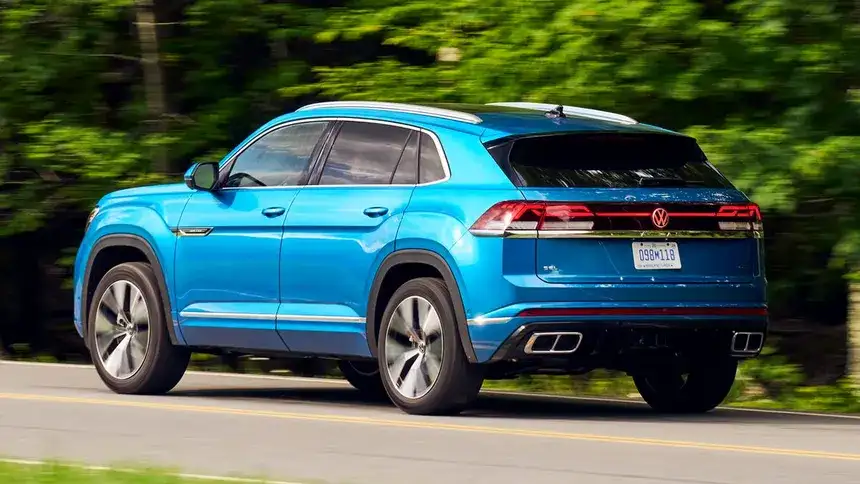
Last month, an Atlas Cross Sport arrived at our Lodgeville Road location with a seized brake caliper. The owner had been following their neighbor’s Atlas maintenance schedule, assuming both vehicles were identical. After 45,000 miles of mismatched service intervals, the repair cost $890. The proper brake fluid service they’d delayed because “my neighbor’s Atlas doesn’t need it yet”? $179.
You’d think two vehicles sharing the same name would share the same service requirements, right? Many Bridgeport area VW owners make this assumption, and it’s costing them hundreds, sometimes thousands, in preventable repairs.
The Atlas and Atlas Cross Sport share a platform, a badge, and about 70% of their components. But those differences in the remaining 30% create distinct service needs that matter for your wallet and your vehicle’s longevity. If you’re driving Route 50 between Clarksburg and Fairmont, or navigating the hills around Shinnston, understanding these differences isn’t just technical knowledge. It’s practical information that protects your investment.
Why These Two SUVs Need Different Service Approaches
The Atlas Cross Sport isn’t just a shortened Atlas. Volkswagen engineers redesigned the rear suspension geometry, adjusted weight distribution, and modified several systems to maintain performance with a shorter wheelbase and different center of gravity.
These engineering changes create specific service requirements. The Cross Sport’s revised rear suspension experiences different stress patterns on West Virginia’s hilly terrain. Its modified exhaust routing affects heat distribution to nearby components. Even the slightly different fuel tank design changes how the evaporative emissions system functions.
Most owners don’t realize these technical differences translate to real-world service variations until they’re facing an unexpected repair bill. The technician who serviced that Atlas Cross Sport with the seized caliper found the owner had been spacing out brake fluid flushes based on their neighbor’s three-row Atlas schedule. The Cross Sport’s sportier suspension tuning and slightly different brake system configuration actually requires more frequent attention in our region’s driving conditions.
Suspension System Service: Where the Biggest Differences Hide
The Atlas Cross Sport uses a modified rear multilink suspension with different geometry than the standard Atlas. This creates the most significant service difference between these vehicles.
The Cross Sport’s sportier suspension tuning makes it more sensitive to alignment drift. While a standard Atlas typically holds alignment well for 20,000-25,000 miles in normal driving, the Cross Sport often shows measurable drift around 15,000-18,000 miles, especially for vehicles regularly navigating I-79’s curves or Route 20’s winding sections.
We recommend alignment checks every 15,000 miles for Cross Sport owners versus 20,000 miles for Atlas owners. The specifications differ too. The Cross Sport requires slightly different camber settings in the rear to maintain its intended handling characteristics.
Both vehicles use quality dampers, but the Cross Sport’s sport-tuned suspension puts more consistent load on these components. In our experience with Bridgeport area vehicles that see regular trips through the Northern Panhandle’s varying terrain, Cross Sport dampers typically show noticeable wear around 65,000-70,000 miles. Standard Atlas dampers often make it to 75,000-80,000 miles before needing replacement.
A Cross Sport owner came to us last fall after noticing increased body roll during turns on Route 19. Inspection revealed worn front struts at 68,000 miles. They’d assumed they had the same lifespan as their friend’s Atlas and had budgeted for replacement at 75,000 miles. The strut replacement cost $740. Had they replaced them during their 60,000-mile service as we’d recommended, they could have avoided the alignment that became necessary after the worn struts damaged the mounting hardware, adding $185 to the total.
Brake System Differences You Need to Know
Both vehicles use similar brake hardware, but the Cross Sport’s slightly different weight distribution and sportier driving character affect brake service intervals.
The Cross Sport typically weighs 200-300 pounds less than a comparably equipped three-row Atlas. You’d think lighter weight means less brake wear, but the opposite often happens. Cross Sport owners tend to drive more aggressively, taking advantage of the vehicle’s nimbler handling. That driving style, combined with the brake system being tuned for responsive feel rather than maximum longevity, typically means brake pads last 35,000-40,000 miles on a Cross Sport versus 40,000-50,000 miles on an Atlas.
Brake fluid service shows an even more interesting pattern. The Cross Sport’s brake system runs slightly higher temperatures during spirited driving. In West Virginia’s humid climate, brake fluid absorbs moisture faster when it’s regularly heated and cooled. We recommend brake fluid flushes every 24,000 miles for Cross Sport owners who regularly drive I-68’s mountain grades or Route 50’s hills, versus 30,000 miles for standard Atlas owners in similar conditions.
Cost comparison over 100,000 miles:
Atlas Cross Sport (aggressive driver):
- Brake pads (3 services): $1,200
- Rotors (2 services): $800
- Fluid flushes (4 services): $716
- Total: $2,716
Standard Atlas (moderate driver):
- Brake pads (2 services): $800
- Rotors (1 service): $400
- Fluid flushes (3 services): $537
- Total: $1,737
Your potential additional cost for Cross Sport ownership: $979 over 100,000 miles, or about $10 per month. That’s not a fault of the Cross Sport. It’s the cost of the sportier driving experience it delivers.
Tire Service: Similar But Subtly Different
Both vehicles can use the same tire sizes, but the Cross Sport’s different weight distribution affects wear patterns. The standard Atlas, with its third row adding weight toward the rear, typically shows slightly faster rear tire wear. The Cross Sport, lighter overall but with more weight toward the front, usually wears front tires 10-15% faster.
This matters for rotation intervals. An Atlas can often go 7,500 miles between rotations. The Cross Sport really needs rotation every 6,000 miles to prevent the accelerated front wear from becoming a problem. Skip a rotation or two on a Cross Sport, and you’ll find yourself replacing just the front tires at 30,000 miles while the rears still have 5-6/32″ of tread.
“We see Cross Sport owners delay tire rotations thinking they can follow the same 7,500-mile interval their Atlas-owning friend uses,” says Mike Patterson, Senior Technician at the Lodgeville Road location. “By the time they notice the front tires wearing faster, they’re usually at least one rotation behind where they should be. That costs them 5,000-8,000 miles of tire life, which is $600-800 in premature tire replacement.”
Drivetrain Maintenance: Mostly Identical
Both vehicles use the same 8-speed automatic transmission and, when equipped with 4MOTION, the same all-wheel-drive system. Transmission fluid service intervals are identical: 40,000 miles for the transmission, 60,000 miles for the AWD system.
The exception involves the Cross Sport’s available VR6 engine in certain trims. While both vehicles offer the 2.0T four-cylinder and share identical service requirements for that engine, the Cross Sport VR6 uses a slightly different oil capacity and requires a specific oil filter that costs about $8 more than the filter used on the Atlas’s VR6.
Oil change intervals remain the same for both vehicles: every 10,000 miles under Volkswagen’s flexible service regime, or every 5,000-7,500 miles if you prefer shorter intervals given West Virginia’s hilly terrain and frequent temperature swings.
Warning Signs These Vehicles Need Different Attention
Understanding what to watch for helps you catch developing problems before they become expensive repairs.
For the Atlas Cross Sport, watch for a firmer, harsher ride quality developing earlier than expected. The sport suspension’s tighter tolerances mean worn dampers become noticeable sooner. If your Cross Sport starts bouncing noticeably over Route 20’s rough patches or you feel more impact from potholes on Lodgeville Road, have the suspension inspected even if you’re under 60,000 miles.
Uneven tire wear appearing on the front tires before 25,000 miles usually indicates the Cross Sport needs more frequent rotations than you’re doing. Check front tire depth against rears monthly if you’re not keeping detailed service records.
For the standard Atlas, the three-row configuration’s additional weight means rear suspension components, particularly the bushings in the multilink setup, can wear faster than expected. Clunking sounds from the rear over bumps, or a vague, wandering feel on I-79, often indicates worn rear suspension bushings.
The Local Driving Factor You Can’t Ignore
Bridgeport and the surrounding area presents specific challenges for both these vehicles, but the challenges affect them differently.
Route 50’s constant elevation changes stress brake systems more than flat highway driving. The Cross Sport’s performance-oriented brake setup handles this well but requires more frequent fluid maintenance. Winter driving around Shinnston and Clarksburg affects both vehicles similarly for salt exposure, but the Cross Sport’s lower ride height means more direct spray impact on brake components and suspension parts.
We recommend undercarriage washes every 7-10 days during winter salt season for Cross Sport owners, versus every 10-14 days for Atlas owners. The hills and curves on routes like I-79 between Bridgeport and Morgantown highlight the Cross Sport’s suspension differences. If you regularly drive this route, the 15,000-mile alignment check interval becomes even more important.
Your 30-Day Atlas Service Check
This week: Pull your owner’s manual and verify which specific model you own. Check the exact trim level and engine, and compare your current service intervals against the specific recommendations for your vehicle, not a similar model. Write down your current mileage and when your last alignment, tire rotation, and brake inspection occurred. This takes 10 minutes but ensures you’re following the right schedule.
Within two weeks: Inspect your tires carefully. Get down at eye level and look at the front tire tread depth compared to the rears. If you’re a Cross Sport owner and the fronts look noticeably more worn, you’ve likely been rotating too infrequently. Schedule a rotation and alignment check. Use this inspection to establish your baseline for future monthly checks.
By month’s end: Schedule your next service appointment based on your actual vehicle’s needs, not generic VW recommendations or what works for someone else’s Atlas or Cross Sport. If you’re nearing 15,000 miles on a Cross Sport, book an alignment check even if nothing feels wrong. If you’re approaching 24,000 miles on a Cross Sport that sees mountain driving, schedule that brake fluid flush. These three checks take less than 30 minutes total but can save you from the $800-900 repairs we see when owners skip them.
What Smart Owners Do Differently
The customers who get the most reliable service from their Atlas or Cross Sport treat them as the distinct vehicles they are. They maintain their own service logs, note when specific maintenance was performed, and don’t assume recommendations from other VW owners apply to their vehicle.
Cost of following generic schedules: $3,200-3,800 over 100,000 miles with 2-3 avoidable major repairs
Smart total with model-specific maintenance: $2,400-2,800 following proper intervals with zero surprise repairs
Your savings: $800-1,000 over 100,000 miles
Schedule Your VW Service Today
Remember that Atlas Cross Sport owner from the opening? After the seized caliper repair, we worked out a customized service schedule based on their actual vehicle and driving patterns. They’re now at 52,000 miles with zero unexpected repairs and perfect brake performance.
The lesson here is straightforward: these are related vehicles, but they’re not the same vehicle. Service intervals that work perfectly for one can leave the other under-maintained in critical areas.
Our certified Volkswagen technicians at 730 Lodgeville Road know the specific service requirements for both vehicles because we work on both daily. We maintain the diagnostic equipment, the technical bulletins, and the experience to catch developing problems before they become expensive repairs.
Schedule your Atlas or Atlas Cross Sport service today by calling our service department or booking online at Volkswagen Clarksburg, 730 Lodgeville Road, Bridgeport, WV 26330. Whether you’re driving a three-row family hauler or a sportier five-seater, we’ll make sure you’re following the maintenance schedule your specific vehicle actually needs.
Proper model-specific maintenance protects your investment, prevents premature wear, and ensures you get the full service life from every component. That’s the confidence proper service delivers.
0 comment(s) so far on VW Atlas vs Atlas Cross Sport: Service Differences That Matter