


Volkswagen ID.4 Service in Clarksburg: What EV Owners Should Know
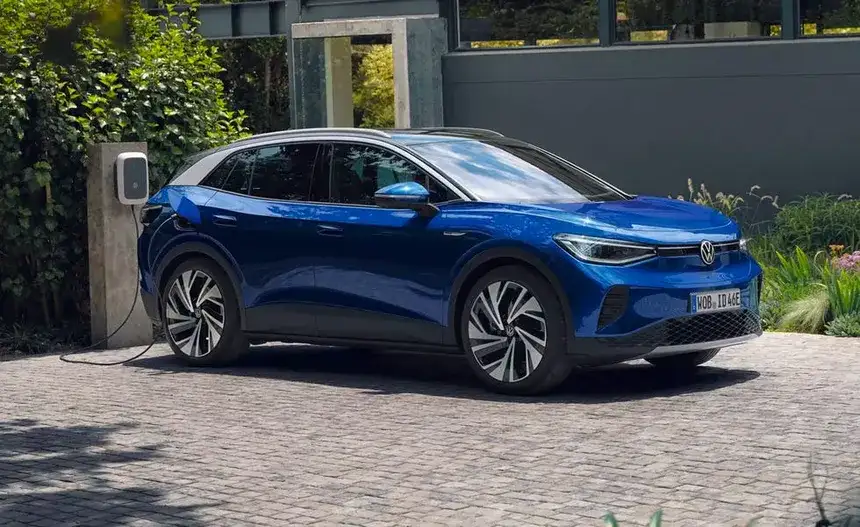
Last summer, a 2023 Volkswagen ID.4 experienced significantly reduced range and slow charging speeds after the owner assumed electric vehicles required no maintenance beyond tire rotations. After 18,000 miles with zero service appointments, the brake fluid had absorbed enough moisture to trigger system warnings, the cabin air filter was completely blocked (affecting battery cooling efficiency), and the 12-volt auxiliary battery was at 35% capacity causing the vehicle to keep systems active constantly, draining the high-voltage battery even when parked. The complete service including brake fluid flush, filters, battery replacement, and software updates cost $680. The maintenance they should have performed over those 18 months? $385 total, spread across proper service intervals.
The Volkswagen ID.4 represents the future of automotive technology, but many Clarksburg area owners don’t realize that electric vehicles still require regular maintenance, albeit different from gasoline vehicles. While the ID.4 eliminates engine oil changes, spark plugs, transmission fluid services, and exhaust system maintenance, it introduces unique service needs including brake fluid service, battery cooling system care, 12-volt auxiliary battery monitoring, cabin air filter replacement for battery thermal management, and software updates that improve range and performance.
The common misconception that EVs are “maintenance-free” leads to neglected service that degrades range, reduces charging speed, accelerates component wear, and can cause expensive failures. The ID.4’s sophisticated systems require owner attention and proper maintenance to deliver the range, performance, and reliability that justify the electric vehicle investment.
Understanding what maintenance your ID.4 actually requires, why these services matter specifically for electric vehicle operation, and how they differ from traditional vehicle maintenance ensures you maximize the benefits of EV ownership. If you’re driving your ID.4 through West Virginia’s varied terrain and weather, commuting between Clarksburg and Morgantown, navigating mountain routes, or expecting the efficiency and low operating costs that attracted you to electric vehicle technology, proper maintenance is essential.
Understanding the ID.4’s Unique Systems
The ID.4 eliminates many traditional maintenance items but introduces components requiring specific care.
What the ID.4 Doesn’t Need
No engine oil changes because there’s no internal combustion engine. This alone saves approximately $75-95 every 7,500 miles compared to conventional vehicles.
No spark plugs, fuel filters, or engine air filters to replace—these components simply don’t exist on the ID.4.
No transmission fluid services in the traditional sense. The ID.4 uses a single-speed reduction gear requiring minimal maintenance.
No exhaust system repairs including catalytic converters, mufflers, or oxygen sensors.
No timing belts, serpentine belts, or related components requiring periodic replacement.
These eliminated maintenance items represent $1,500-2,500 in traditional vehicle maintenance costs over 100,000 miles.
What the ID.4 Does Need
High-voltage battery thermal management system maintains optimal battery temperature using liquid cooling. This system requires periodic coolant service.
12-volt auxiliary battery powers all vehicle systems when the vehicle is “off” and enables high-voltage system startup. This battery requires monitoring and eventual replacement.
Brake system service including fluid replacement and component inspection. The regenerative braking system reduces pad wear but introduces unique maintenance considerations.
Cabin air filter not only provides clean air but also filters air for battery cooling, making replacement more critical than in conventional vehicles.
Tire service including rotation, alignment, and eventual replacement. EVs are heavier and deliver instant torque, creating unique tire wear patterns.
Software updates regularly improve range, charging speed, battery management, and system functionality. These updates are critical for optimal operation.
Underbody and component inspection to verify battery pack protection and mounting integrity, particularly important for West Virginia’s varied road conditions.
“ID.4 owners who understand EV-specific maintenance needs consistently achieve better-than-EPA range and have zero unexpected service needs,” says David Patterson, EV Systems Specialist at our Lodgeville Road location. “Those who assume no maintenance is needed see range drop by 10-15 miles, charging speeds decline, and develop problems from simple neglected items like brake fluid or cabin air filters. The ID.4 is lower maintenance than gasoline vehicles, but it’s not no maintenance. The $140-180 annual service keeps everything optimized. Skip it, and you’re paying in reduced efficiency, accelerated wear, and eventually expensive repairs that proper maintenance would have prevented.”
ID.4 Maintenance Schedule
The ID.4 requires specific services at regular intervals to maintain optimal performance and longevity.
Every 10,000 Miles or 12 Months
Multi-point inspection including:
- Tire pressure and tread depth verification
- Tire rotation for even wear
- Brake system inspection (pads, rotors, fluid condition)
- Battery systems condition check (both high-voltage and 12-volt)
- Coolant level verification
- Underbody inspection for damage
- Suspension and steering component inspection
- Software update check and installation
Tire rotation ensures even wear despite the ID.4’s weight and instant electric motor torque. Service costs $50-65.
The basic annual service costs approximately $140-180 and takes 60-90 minutes including software updates if available.
Every 20,000 Miles or 24 Months
All 10,000-mile services plus:
Cabin air filter replacement using the filter that provides clean air for both cabin and battery cooling system. This isn’t a conventional cabin filter—it’s part of the battery thermal management. Service costs $45-65.
Brake fluid replacement to maintain proper moisture content and boiling point. Despite reduced brake use from regenerative braking, brake fluid still absorbs moisture over time. Service costs $165-195.
Dust and pollen filter (if equipped as separate component) replacement. Service costs $40-55.
Every 30,000 Miles
All 20,000-mile services plus:
Brake system comprehensive service including caliper cleaning and lubrication. Reduced brake use from regenerative braking means calipers can develop corrosion and binding. Service costs $140-180.
Coolant system inspection to verify proper battery thermal management function. While coolant replacement isn’t needed until much higher mileage, inspection ensures the system functions properly.
Every 60,000 Miles or 4 Years
All 30,000-mile services plus:
12-volt auxiliary battery replacement as preventive maintenance. These batteries typically last 4-5 years but face demanding duty cycles in EV applications. Preventive replacement prevents the efficiency degradation and starting issues that occur when the battery weakens. Service costs $175-220.
Battery cooling system fluid replacement using EV-specific coolant. Service costs $380-450.
Brake system fluid replacement if not already performed at 24-month intervals.
EV-Specific Maintenance Details
Certain service items require special attention for electric vehicle operation.
Battery Cooling System
High-voltage battery thermal management uses liquid coolant to maintain optimal battery temperature between 60-80 degrees Fahrenheit. This system is critical for battery longevity and performance.
Coolant level inspection should occur at every service interval to ensure adequate fluid for proper thermal management. Low coolant reduces cooling efficiency and can cause battery overheating.
Coolant condition degrades over time from heat cycling and chemical breakdown. Fresh coolant maintains optimal thermal transfer and corrosion protection.
Coolant replacement interval: 60,000 miles or 5 years initially, then every 30,000 miles or 3 years.
West Virginia climate considerations: Temperature extremes from winter cold to summer heat stress the thermal management system. Proper coolant service ensures the system handles seasonal variations.
Consequences of neglect: Degraded or low coolant allows the battery to operate at suboptimal temperatures, accelerating capacity loss and triggering protective measures that reduce charging speed and power output.
12-Volt Auxiliary Battery
The 12-volt battery in the ID.4 serves a more critical role than in conventional vehicles.
Function: The 12-volt battery powers all vehicle systems including computers, lights, locks, and climate control when the high-voltage system is off. It also enables the high-voltage contactors to close, essentially “starting” the ID.4.
Duty cycle: Every time you wake the ID.4, you’re using the 12-volt battery. The vehicle constantly monitors systems even when parked, drawing small amounts of power. This cycling differs from conventional vehicles where the battery primarily powers the starter briefly then gets recharged.
Failure consequences: A weak or failing 12-volt battery causes:
- High-voltage system unable to activate (vehicle won’t “start”)
- Increased vampire drain (vehicle keeps systems active trying to maintain battery)
- Reduced efficiency from constant system activity
- Potential for becoming stranded
Testing frequency: Load testing should occur at every service interval. Batteries testing below 70% capacity should be replaced proactively.
Replacement timing: Preventive replacement at 4-5 years or 60,000 miles prevents problems before they affect daily operation.
The ID.4 owner from the opening had never had their 12-volt battery tested. By 18 months, the weakening battery was causing the vehicle to keep systems active constantly trying to maintain charge. This vampire drain was consuming approximately 2-3 miles of range per day even when parked, adding up to significant range loss over weeks.
Brake System Service
Regenerative braking captures energy during deceleration, dramatically reducing conventional brake wear. ID.4 owners often achieve 100,000+ miles on original brake pads versus 35,000-50,000 miles for conventional vehicles.
However, this reduced use creates unique maintenance needs:
Brake fluid service: Despite light brake use, brake fluid still absorbs moisture over time. Replace every 24 months or 20,000 miles rather than extending intervals.
Caliper cleaning and lubrication: Brakes that aren’t used heavily develop corrosion and binding. Annual cleaning keeps calipers operating smoothly, ensuring proper coordination between regenerative and friction braking.
Pad and rotor inspection: Despite light wear, inspect annually to verify even wear and proper regenerative braking system integration.
West Virginia considerations: Winter salt exposure accelerates brake component corrosion. Annual brake service is particularly important for West Virginia-driven ID.4s.
Cabin Air Filter
The cabin air filter serves dual purposes in the ID.4:
- Filters air entering the cabin
- Filters air used for battery cooling
Replacement interval: Every 20,000 miles or 24 months, whichever comes first.
Importance: A contaminated filter restricts airflow affecting both cabin comfort and battery cooling efficiency. Reduced battery cooling can trigger thermal management interventions that reduce charging speed or limit power output.
West Virginia air quality: Pollen season and dusty conditions accelerate filter contamination. Consider annual replacement for maximum efficiency.
Tire Service
Tire rotation every 10,000 miles prevents uneven wear from the ID.4’s weight and instant torque delivery. Service costs $50-65.
Tire pressure monitoring is critical for range optimization. Underinflated tires reduce range by 1-2 miles per 5 PSI below optimal. Check pressure monthly.
Tire replacement: The ID.4’s 4,600-pound curb weight and instant torque create unique wear patterns. Quality tires designed for EVs provide best combination of range, traction, and longevity.
Alignment: Check alignment annually or after pothole impacts. Misalignment accelerates tire wear and reduces efficiency. Service costs $140-180.
Software Updates: The Most Important EV Service
Software updates for the ID.4 improve performance, range, charging speed, and functionality.
What Updates Improve
Battery management algorithms for better longevity and charging speed Range estimation accuracy for more reliable trip planning Charging speed optimization at DC fast chargers Climate control efficiency reducing energy consumption Regenerative braking calibration for smoother operation Infotainment system improvements and bug fixes Navigation and route planning enhancements
Update Frequency and Access
Updates release several times per year. Some install over-the-air automatically. Others require dealer installation.
Check for updates at every service interval (every 10,000 miles or 12 months).
Update cost: Typically free with service appointments. Installation takes 30-90 minutes depending on update complexity.
Real-World Update Benefits
Recent ID.4 updates have delivered:
- 3-5 mile range improvements through refined battery management
- 10-15% faster DC fast charging at certain state-of-charge levels
- Improved cold-weather performance with better battery preconditioning
- Enhanced route planning with more accurate charging stop recommendations
A software engineer from Fairmont had skipped all service for their ID.4’s first 15,000 miles, including three available software updates. When they finally brought it in, we installed the updates that had been released over 12 months. Immediately after updates, their real-world range improved by approximately 6-8 miles from refined battery management and more efficient climate control. The free updates had been sitting ready while they drove with suboptimal efficiency.
West Virginia-Specific EV Considerations
Operating an ID.4 in West Virginia creates unique considerations compared to milder climates.
Cold Weather Impact
Battery performance decreases in cold weather. Expect 15-25% range reduction when temperatures drop below 32 degrees.
Cabin heating uses significant energy. Pre-heating while plugged in preserves range. Using heated seats and steering wheel instead of full cabin heating conserves energy.
Charging speed can be reduced in extreme cold. The ID.4’s battery heating system warms the battery before charging, but this process takes time and energy.
Preparation: Park in covered or garage locations when possible. Precondition battery and cabin while plugged in before departure.
Mountain Driving
Climbing grades consumes significant energy but regenerative braking during descents recovers much of it. Plan longer trips through mountainous areas accounting for the climb even though descent recovery minimizes net loss.
Route planning through mountain areas should include charging stops before significant climbs rather than after, ensuring adequate battery level for elevation gain.
Winter Road Salt
Underbody exposure to road salt requires periodic inspection and cleaning, particularly for the battery pack protective covering and mounting points.
Annual underbody cleaning after winter removes salt before it causes corrosion damage. Service costs $125-175.
Charging Strategy for Longevity
Charging habits significantly affect battery lifespan.
Daily Charging Best Practices
Charge to 80% for daily use rather than 100%. The final 20% of charging (80-100%) generates the most stress on battery cells. Reserve 100% charges for trips requiring maximum range.
Avoid depleting below 10% regularly. Frequent deep discharges stress the battery. Keep charge between 20-80% for optimal battery health.
Charge when it’s convenient, not when the battery is nearly empty. There’s no memory effect with lithium-ion batteries.
Home Charging Setup
Level 2 charging (240V, 32-40 amps) provides optimal charging speed for home use. Charges the ID.4 in 7-8 hours from near-empty.
Installation cost: $800-1,500 for Level 2 charger installation depending on electrical panel distance and capacity.
Time-of-use electricity rates can significantly reduce charging costs. Charge overnight during off-peak hours when rates are lowest.
DC Fast Charging Strategy
Minimize DC fast charging frequency when possible. Fast charging generates heat and stresses batteries more than Level 2 charging.
Recommended frequency:
- Ideal: Once or twice monthly for road trips
- Acceptable: Once weekly
- Avoid: Daily fast charging
Charge to 80% at fast chargers then switch to Level 2 or continue driving. Charging speed drops dramatically above 80% anyway, making the final 20% time-inefficient.
Real Cost-Benefit Analysis
ID.4 maintenance over 100,000 miles:
- Ten annual services: $1,600
- Five cabin filter replacements: $275
- Five brake fluid services: $925
- Three 12-volt batteries: $600
- Two coolant services: $820
- Two tire rotations beyond annual service: $120
- Software updates: Free
- Total maintenance: $4,340 ($43.40 per 1,000 miles)
Comparable gasoline SUV maintenance over 100,000 miles:
- Oil changes and filters: $1,500
- Transmission services: $900
- Spark plugs and engine services: $600
- Coolant services: $400
- Brake services: $1,200
- Additional component repairs: $1,500
- Total maintenance: $6,100 ($61 per 1,000 miles)
ID.4 maintenance savings: $1,760 over 100,000 miles
Plus fuel savings:
- Electricity cost (at $0.12/kWh): $3,600
- Gasoline cost (at $3.50/gallon, 28 MPG): $12,500
- Additional fuel savings: $8,900
Total 100,000-mile ID.4 savings: $10,660 in maintenance and fuel combined
Your ID.4 Annual Service Plan
Spring service (April-May):
- Complete annual inspection
- Tire rotation
- Software update check and installation
- Underbody cleaning after winter salt exposure
- All system verification before summer travel
Fall service (October-November):
- Complete annual inspection
- Tire rotation
- Software update check
- Pre-winter system verification
- Cold weather preparation review
As needed:
- Brake fluid service at 24-month intervals
- Cabin air filter at 20,000-mile intervals
- 12-volt battery replacement at 4-5 years
- Coolant service at 60,000-mile intervals
Schedule Your ID.4 Service Today
That ID.4 owner who assumed no maintenance was needed learned an expensive lesson about the importance of EV-specific care. After spending $680 on catch-up maintenance plus experiencing reduced range and efficiency for months, they now schedule annual service religiously. They’re at 38,000 miles now averaging better than EPA-estimated range with zero unexpected service needs.
The Volkswagen ID.4 represents the future of automotive technology with lower maintenance requirements than conventional vehicles, but it still requires proper care for optimal performance and longevity. Regular service ensures you achieve the range, efficiency, and reliability that justify the electric vehicle investment.
Our certified Volkswagen EV technicians at 730 Lodgeville Road have specialized training in ID.4 systems, battery technology, and EV-specific service procedures. We understand what maintenance electric vehicles require and how to keep your ID.4 operating at peak efficiency.
Schedule your ID.4 service today by calling our service department or booking online at Volkswagen Clarksburg, 730 Lodgeville Rd, Bridgeport, WV 26330. We’ll perform comprehensive EV-specific maintenance including battery system inspection, software updates, and all services your ID.4 requires.
Proper EV maintenance maximizes range, protects your battery investment, ensures reliable operation, and provides the low operating costs that make electric vehicle ownership rewarding. That’s the value EV-specific service delivers.
0 comment(s) so far on Volkswagen ID.4 Service in Clarksburg: What EV Owners Should Know