


Volkswagen 4MOTION® Haldex Coupling Service: Why Fluid Changes Matter
Key Takeaways
- The Haldex coupling is the heart of 4MOTION all wheel drive. It is a hydraulic clutch pack that engages the rear axle when the system detects wheel slip.
- Haldex fluid breaks down faster than people expect. The clutch plates generate friction and heat every time the system engages, which wears down the fluid’s additives well before a typical mileage milestone.
- Skipping fluid service can cause the system to default to front wheel drive only. A failing coupling often shows up as reduced traction rather than a dramatic warning light.
- West Virginia’s hills and winter weather put real demand on the system. Clarksburg drivers navigating grades and seasonal conditions rely on 4MOTION more than most.
Most Volkswagen owners know their vehicle has all wheel drive, but far fewer know that system depends on a single hydraulic component working correctly every time the road gets slippery. The Haldex coupling sits between the transmission and the rear axle, and it is responsible for deciding, in a fraction of a second, how much power should shift to the rear wheels when the fronts start to lose grip. A routine Haldex fluid service costs a modest amount, while a coupling that fails from neglected fluid can turn into one of the more expensive drivetrain repairs a Volkswagen owner will face.
What the Haldex Coupling Actually Does
Unlike a traditional all wheel drive system that sends power to all four wheels continuously, Volkswagen’s 4MOTION system used on many models is what is sometimes called an on demand system. Under normal driving conditions, the vehicle operates primarily as a front wheel drive car, which helps with fuel efficiency. The Haldex coupling monitors the difference in rotational speed between the front and rear axles, and the moment it detects the front wheels spinning faster than the rear, indicating a loss of traction, it engages a clutch pack that redirects torque to the rear axle.
That clutch pack is the key piece of hardware here. Inside the Haldex unit, a series of plates press together using hydraulic pressure generated by the system’s own pump. The tighter those plates clamp, the more torque gets sent rearward. This all happens automatically and within a fraction of a second, which is part of why 4MOTION feels so seamless from the driver’s seat. It is also why the fluid inside that unit matters so much. Every engagement of the clutch pack generates friction, and friction generates heat and wear, even when the engagement itself only lasts a moment.
Why the Fluid Breaks Down Faster Than People Assume
Engine oil gets attention because most drivers understand it lubricates moving metal parts under constant motion. Haldex fluid does a similar job but under a very different kind of stress. Rather than facing steady, predictable wear like engine oil does, Haldex fluid experiences short bursts of intense friction and heat every time the clutch pack engages, whether that is pulling out onto Route 50 in wet weather or navigating a snowy grade along Johnson Avenue during a Clarksburg winter. Those repeated thermal spikes degrade the fluid’s additive package faster than a simple time or mileage estimate would suggest.
As the fluid ages and its properties break down, the clutch plates inside the coupling cannot engage as precisely. This can show up as a delay before the rear axle receives power, a subtle but real reduction in the traction advantage the system is supposed to provide. In more advanced stages of neglect, the coupling can develop enough internal wear that it stops engaging reliably at all, and the vehicle effectively reverts to front wheel drive only, without any dramatic dashboard warning to announce it.
Signs the Coupling May Need Attention
- Reduced traction in conditions where 4MOTION should be helping, such as accelerating from a stop on a wet or snow covered incline
- A noticeable delay or hesitation before power shifts to the rear wheels during hard acceleration or sudden loss of front wheel grip
- Unusual noise from the rear differential area, particularly a whining or grinding sound during turns
- A dashboard message related to the all wheel drive system, though this does not always appear even when the coupling is struggling
None of these signs guarantees a coupling failure on its own, but any of them appearing together, especially after the vehicle has gone a long stretch without a Haldex fluid service, is worth having checked.
Why West Virginia Terrain Makes This More Relevant
Clarksburg and the surrounding hills present exactly the kind of driving conditions that put real demand on a 4MOTION system. Grades along Route 20 and the winding sections near Nutter Fort ask more of the drivetrain than flat, straight roads do, and winter weather adds an additional layer of reliance on the system’s ability to shift power quickly and predictably. A Haldex coupling that is working correctly makes a noticeable difference in how confident a vehicle feels climbing a snow covered hill or pulling away from a stop sign on ice. A coupling running on old, degraded fluid may still function, but without the same responsiveness, right when responsiveness matters most.
What a Haldex Fluid Service Involves
- Draining the old fluid from the Haldex unit and inspecting it for discoloration, metal particulate, or a burnt smell that would indicate advanced wear
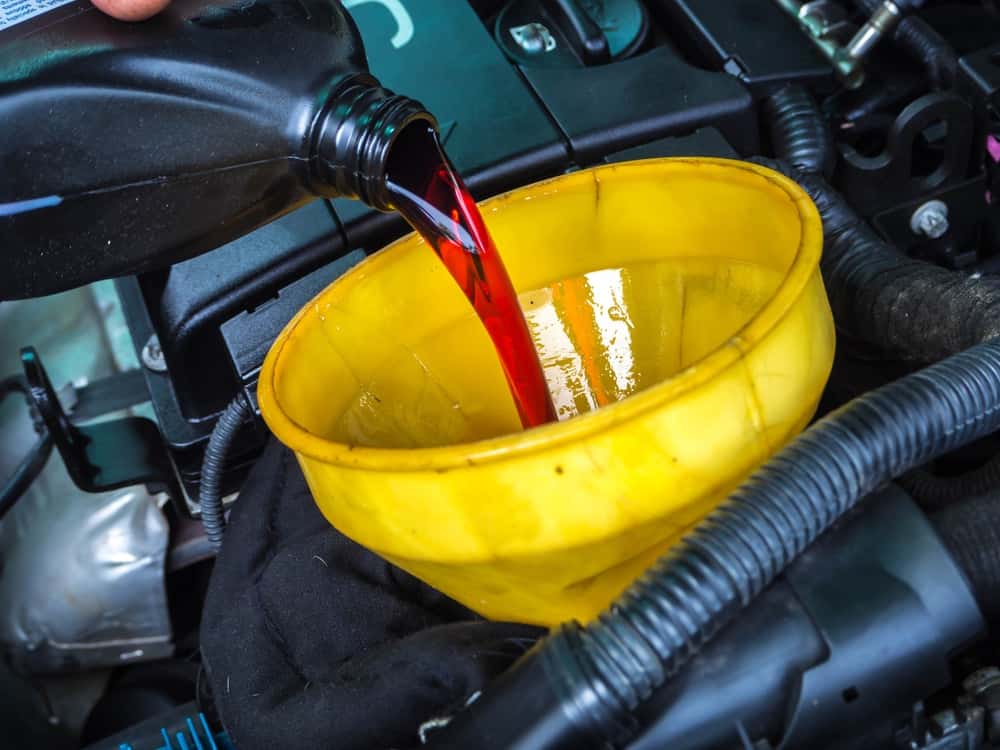
- Replacing the fluid with the manufacturer specified Haldex fluid, which is formulated differently from standard gear oil or transmission fluid to handle the coupling’s specific thermal and friction demands
- Cleaning or replacing the filter inside the unit if the vehicle’s service interval calls for it, since a clogged filter can restrict the hydraulic pressure needed for proper clutch engagement
- A road test or system check to confirm the coupling is engaging correctly after the service is complete
This is a more specialized service than a standard oil change, and it benefits from being performed by a technician familiar with Volkswagen’s specific Haldex generation and fluid requirements, since the system has evolved across different model years.
A Service Worth Staying Ahead Of
Because a struggling Haldex coupling often shows up as a gradual loss of performance rather than a sudden failure, it is easy for the issue to go unnoticed until winter weather or a wet road makes the reduced traction obvious. By that point, the fluid has often been overdue for a while, and the coupling itself may already be showing early wear. Staying ahead of the manufacturer recommended interval, rather than waiting for a symptom to appear, is the more affordable path in nearly every case. A fluid service is a routine appointment. A coupling replacement is not.
For Clarksburg drivers who rely on 4MOTION through hilly terrain and unpredictable weather throughout the year, this is one of those maintenance items that pays for itself simply by keeping the system working the way it was designed to from day one. Volkswagen Clarksburg, located at 730 Lodgeville Rd, Bridgeport, WV 26330, offers Haldex coupling fluid service for the full 4MOTION lineup, and current service scheduling is available for anyone due for a check or noticing any of the signs above.
0 comment(s) so far on Volkswagen 4MOTION® Haldex Coupling Service: Why Fluid Changes Matter