


Upgrading to Heavy-Duty Brake Pads for Daily Downhill Commutes on Route 20
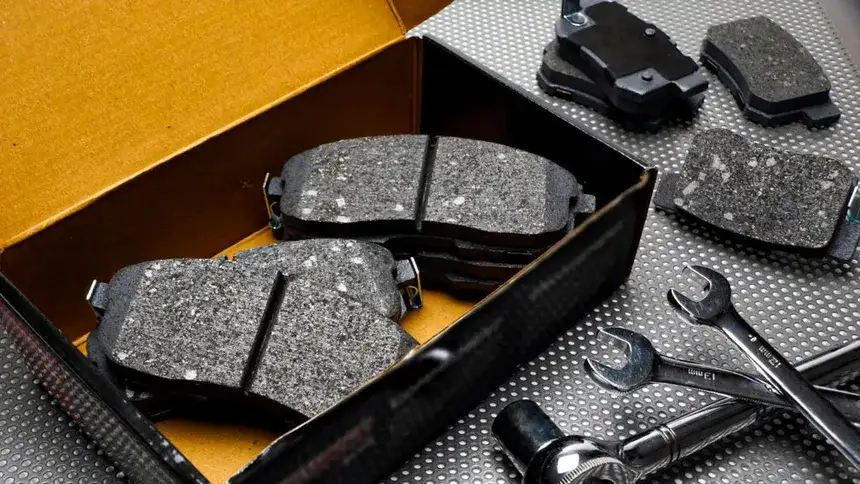
If you drive Route 20 every day, you already know that sinking feeling when your brakes start pulling or squealing on a steep descent. The truth is, standard brake pads were not designed for the kind of sustained downhill pressure that Bridgeport drivers deal with on a regular basis. Heavy-duty brake pads can cost $150 to $300 more upfront, but a brake failure on Route 20 can cost you everything.
For drivers navigating the winding grades between Bridgeport and Clarksburg, brake performance is not a luxury. It is a daily necessity. Whether you are commuting through the Harrison County hills in a Golf, Tiguan, or Atlas, the demand you are placing on your braking system is significantly higher than what most manufacturers account for in standard pad recommendations. This guide will walk you through why heavy-duty brake pads matter, how to know when it is time to upgrade, and what Volkswagen Clarksburg drivers need to know before their next service visit.
Why Route 20 Is Harder on Brakes Than You Think
Route 20 through the Bridgeport and Clarksburg corridor is not just a commute. It is a series of elevation changes, tight curves, and variable road conditions that demand consistent, reliable braking. During morning and evening rush hours, stop-and-go traffic on grades creates a cycle of heat buildup that standard organic brake pads simply were not engineered to handle repeatedly. Drivers coming down from the hillier stretches near Anmoore Road know firsthand how quickly brake confidence can fade when the pads are not up to the task.
The Science of Brake Fade
When brake pads overheat from sustained use on downhill grades, they lose friction efficiency in a phenomenon known as brake fade. This is especially common in standard OEM pads, which are optimized for flat suburban driving patterns. On a route like Route 20, where drivers may be riding their brakes for several hundred feet at a time, the heat generated can cause:
- Glazing of the pad surface, reducing grip
- Outgassing, where trapped gases create a slippery layer between the pad and rotor
- Accelerated rotor wear, leading to expensive rotor replacements much sooner than expected
Heavy-duty brake pads are manufactured with higher-temperature compounds, typically semi-metallic or ceramic blends, that maintain consistent friction performance even under sustained thermal stress.
Standard vs. Heavy-Duty: What Is Actually Different
Most Volkswagen vehicles come equipped from the factory with organic or low-metallic brake pads. These are perfectly suitable for average driving conditions, but Bridgeport and Clarksburg commuters are not average drivers when it comes to brake demand.
Organic Brake Pads
Organic pads are quiet, affordable, and gentle on rotors. They perform well in moderate city driving but begin to degrade faster when subjected to the repeated heat cycles of downhill commuting. Replacement intervals on Route 20 driving patterns typically fall between 20,000 and 30,000 miles, sometimes even shorter depending on vehicle weight and commute frequency.
Semi-Metallic Brake Pads
Semi-metallic pads contain steel fibers and other metallic compounds that dramatically improve heat dissipation. They offer stronger bite and last significantly longer under heavy use. Drivers who upgrade to semi-metallic pads on demanding routes typically see replacement intervals stretch to 40,000 to 60,000 miles. The trade-off is a slightly firmer pedal feel and marginally more rotor wear over time.
Ceramic Brake Pads
Ceramic pads are the premium choice for daily commuters who want performance without compromise. They run cooler than semi-metallic options, produce less brake dust, and deliver consistent stopping power across a wide temperature range. For a Tiguan or Atlas driver commuting daily on Route 20 between Bridgeport and Clarksburg, ceramic pads represent the best balance of longevity, performance, and rotor preservation. Expect to invest $180 to $400 per axle depending on your VW model, but the long-term savings on rotor replacements and reduced service frequency often justify the cost within the first year.
Warning Signs Your Current Brake Pads Are Struggling
Many drivers on Route 20 do not realize their brake pads are underperforming until the problem becomes serious. Here are the key warning signs to watch for during your daily commute:
- Squealing or squeaking on descent: A high-pitched noise when applying the brakes downhill is often the wear indicator telling you the pad material is nearly gone.
- Vibration or pulsing through the pedal: This typically signals glazed or warped rotors caused by repeated overheating, a direct consequence of standard pads running too hot.
- Longer stopping distances: If you notice your VW taking more road to come to a full stop, especially on the grades between Bridgeport and Clarksburg, brake fade may already be occurring.
- Burning smell after driving: A sharp, acrid odor after completing your downhill commute is a clear sign your pads are running at unsafe temperatures.
- Pulling to one side under braking: Uneven pad wear or a sticking caliper can cause the vehicle to drift during braking, which is particularly dangerous on a winding route like Route 20.
- Soft or spongy brake pedal: This may indicate heat-related fluid issues compounded by overworked pads, requiring immediate attention.
- Visible pad thickness below 3mm: If you can see your brake pads through the wheel spokes and the material looks thin, it is time for an immediate inspection.
Real Drivers, Real Results on Route 20
Marcus T., a Harrison County resident who commutes daily from his home near the Bridgeport exit down into Clarksburg for work, noticed his 2021 Tiguan was squealing every morning by the time he reached the bottom of the grade near Lost Creek Road. He brought it into Volkswagen Clarksburg expecting a routine pad swap and was surprised to find his rotors had already begun showing heat stress at just 28,000 miles. After upgrading to ceramic pads and replacing the rotors, his next service interval stretched past 55,000 miles with no performance concerns.
Patricia L., who drives a 2022 Atlas and manages a daily round trip that takes her across Route 20 twice each day, had been ignoring a subtle vibration in her pedal for several weeks. When the technicians at Volkswagen Clarksburg inspected her brakes, both front rotors showed significant glazing. An upgrade to semi-metallic pads combined with fresh rotors resolved the issue entirely, and Patricia noted that her braking felt noticeably more confident on the downhill stretches near Anmoore Road.
What the Upgrade Actually Costs and What It Saves
One of the most common questions drivers ask is whether heavy-duty brake pads are worth the extra investment. Here is a realistic breakdown for Volkswagen models commonly driven on Route 20:
Standard Organic Pad Replacement (per axle):
- Parts: $60 to $100
- Labor: $80 to $120
- Rotor resurfacing or replacement if needed: $150 to $300
- Total: $290 to $520
Heavy-Duty Ceramic Upgrade (per axle):
- Parts: $120 to $200
- Labor: $80 to $120
- Rotor inspection (rotors typically preserved longer): $0 to $80
- Total: $200 to $400
When you factor in that ceramic and semi-metallic pads last significantly longer and reduce rotor wear, most Bridgeport drivers recoup the upgrade cost within one to two service cycles.
Your 30-Day Action Plan for Route 20 Drivers
If you drive Route 20 regularly and have not had your brakes inspected in the last 15,000 miles, this month is the time to act. Start by paying close attention to your braking feel over the next week and note any squealing, vibration, or extended stopping distances during your commute through Bridgeport and the surrounding Harrison County area. If you notice any of the warning signs listed above, do not wait for your next scheduled service. Brake wear accelerates quickly on demanding routes, and what starts as a minor squeal can become a rotor replacement job within a few thousand miles.
Book a brake inspection at Volkswagen Clarksburg this month and ask your service advisor specifically about heavy-duty pad options for your model and driving pattern. The team is familiar with the demands of Route 20 commuting and can recommend the right compound based on your mileage habits and vehicle weight. If your pads are still within acceptable range, your advisor can give you a realistic projection of when an upgrade will make the most sense financially.
Taking 30 minutes this month for a brake inspection could save you several hundred dollars in rotor damage and give you measurably more confidence every time you descend into Clarksburg.
Trust Volkswagen Clarksburg With Your Brake Upgrade
At Volkswagen Clarksburg, our certified technicians understand the unique demands that West Virginia terrain places on your vehicle’s braking system. We use genuine Volkswagen-approved parts and carry a full range of heavy-duty brake pad options suited for the daily grind of Route 20 commuting. Whether you drive a Jetta, Passat, Tiguan, or Atlas, we will assess your current brake condition and walk you through your upgrade options honestly and without pressure. Your safety on Harrison County roads is our priority, and we are conveniently located at 730 Lodgeville Rd, Bridgeport, WV 26330 to serve drivers throughout the region.
Schedule your brake inspection today and drive Route 20 with the confidence your commute demands.
0 comment(s) so far on Upgrading to Heavy-Duty Brake Pads for Daily Downhill Commutes on Route 20