


Turbo Care & Oil Change Protocols for the Volkswagen Golf R and GTI
Key Takeaways
- Turbocharged engines like those in the Golf R and GTI benefit from specific care habits that differ from a naturally aspirated engine, particularly around startup and shutdown.
- Oil quality and change intervals matter more for turbo engines, since the turbocharger relies on clean oil for lubrication and cooling.
- Short trips and cold starts place extra demand on turbo components, making driving habits relevant to long term reliability.
- Using the correct oil specification protects the turbocharger and engine internals over the life of the vehicle.
The Golf R and GTI deliver turbocharged performance that makes daily driving around Bridgeport and Clarksburg genuinely fun, but that performance depends on a turbocharger that spins at extremely high speeds and generates significant heat. A proper oil change using the correct specification costs far less than repairing a turbocharger damaged by degraded or incorrect oil. Understanding a few basic care habits helps GTI and Golf R owners protect this key component for the long run.
Why Turbocharged Engines Need Different Care
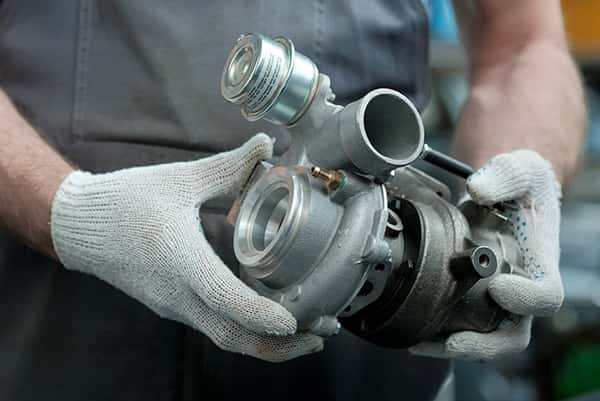
A turbocharger uses exhaust gas to spin a turbine at extremely high speeds, forcing additional air into the engine to increase power. This process generates substantial heat, and the turbo relies on the engine’s oil supply for both lubrication and cooling of its internal bearings. Because the turbo operates under more extreme conditions than the rest of the engine, oil quality and condition matter more here than they would in a naturally aspirated vehicle of similar age and mileage.
This is not a flaw unique to the Golf R or GTI, but rather a characteristic of turbocharged engines generally. Understanding it simply means adjusting a few habits to protect the investment in performance these engines provide.
The Importance of Using the Correct Oil Specification
Volkswagen specifies a particular oil standard for turbocharged engines like those found in the Golf R and GTI, and using oil that does not meet this specification can leave turbocharger bearings and other high heat components without adequate protection. Oil that breaks down faster than expected under the heat generated by a turbo can lead to increased wear on the turbocharger itself, along with other internal engine components.
Our technician Trevor Marsh always confirms the correct oil specification is used for every Golf R and GTI that comes through the shop, since using anything less than what Volkswagen calls for can shorten the life of the turbocharger over time even if the change interval itself is followed correctly.
Cool Down Habits That Protect the Turbo
One of the simplest ways to extend turbocharger life costs nothing and takes only a minute. After a drive that has involved highway speeds or spirited driving, particularly on curvy roads outside Bridgeport, allowing the engine to idle briefly before shutting it off gives the turbocharger a chance to cool gradually rather than having oil flow stop abruptly while the turbo is still extremely hot. Shutting the engine off immediately after hard driving can cause oil trapped in the turbo housing to break down from residual heat, eventually forming deposits that restrict oil flow to the bearings.
Many newer turbocharged vehicles, including the Golf R and GTI, include water cooled turbo housings that continue circulating coolant even after the engine is shut off, which reduces the risk compared to older turbo designs. Even so, a brief cool down period after aggressive driving remains a good habit for any turbocharged vehicle.
Short Trips and Cold Starts
Turbocharged engines can be somewhat more sensitive to frequent short trips and cold starts than naturally aspirated engines, since oil takes a moment to reach full circulation and proper temperature after a cold start. Driving hard immediately after starting the engine, before oil has had a chance to fully lubricate the turbo, places extra strain on the system. Allowing the engine a brief moment to begin circulating oil before accelerating hard, especially on a cold Bridgeport winter morning, helps protect the turbocharger over the long term.
Oil Change Intervals and What to Watch For
A few habits support long term turbo health between scheduled services:
- Following the manufacturer recommended oil change interval rather than extending it, since turbo oil breaks down faster than oil in a naturally aspirated engine
- Checking oil level periodically between changes, since turbocharged engines can consume slightly more oil than naturally aspirated ones
- Watching for a burning oil smell or blue exhaust smoke, both of which can indicate a developing turbo issue
Signs Your Turbo May Need Attention
A few symptoms are worth having evaluated if they appear in a Golf R or GTI:
- A noticeable loss of power or boost compared to when the vehicle was newer
- A whining or whistling noise from the engine bay under acceleration
- Blue tinted exhaust smoke, which can indicate oil entering the combustion chamber
- A check engine light accompanied by reduced performance
Making Turbo Care Part of Regular Maintenance
Our service advisor Holly Prunty recommends that Golf R and GTI owners treat oil changes as a higher priority item than they might on a naturally aspirated vehicle, given how directly oil condition affects turbocharger health. Staying consistent with the correct oil specification and change interval is one of the most effective things an owner can do to protect their investment in these performance oriented models.
A little attention to turbo specific care goes a long way toward keeping a Golf R or GTI running the way it was designed to for years of spirited driving. Our team at Volkswagen Clarksburg, located at 730 Lodgeville Rd, Bridgeport, WV 26330 is happy to handle your next oil change with the correct specification and answer any questions about keeping your turbocharged engine healthy.
0 comment(s) so far on Turbo Care & Oil Change Protocols for the Volkswagen Golf R and GTI