


Timing Chain vs. Timing Belt: Which VW Engines Need What (and When)
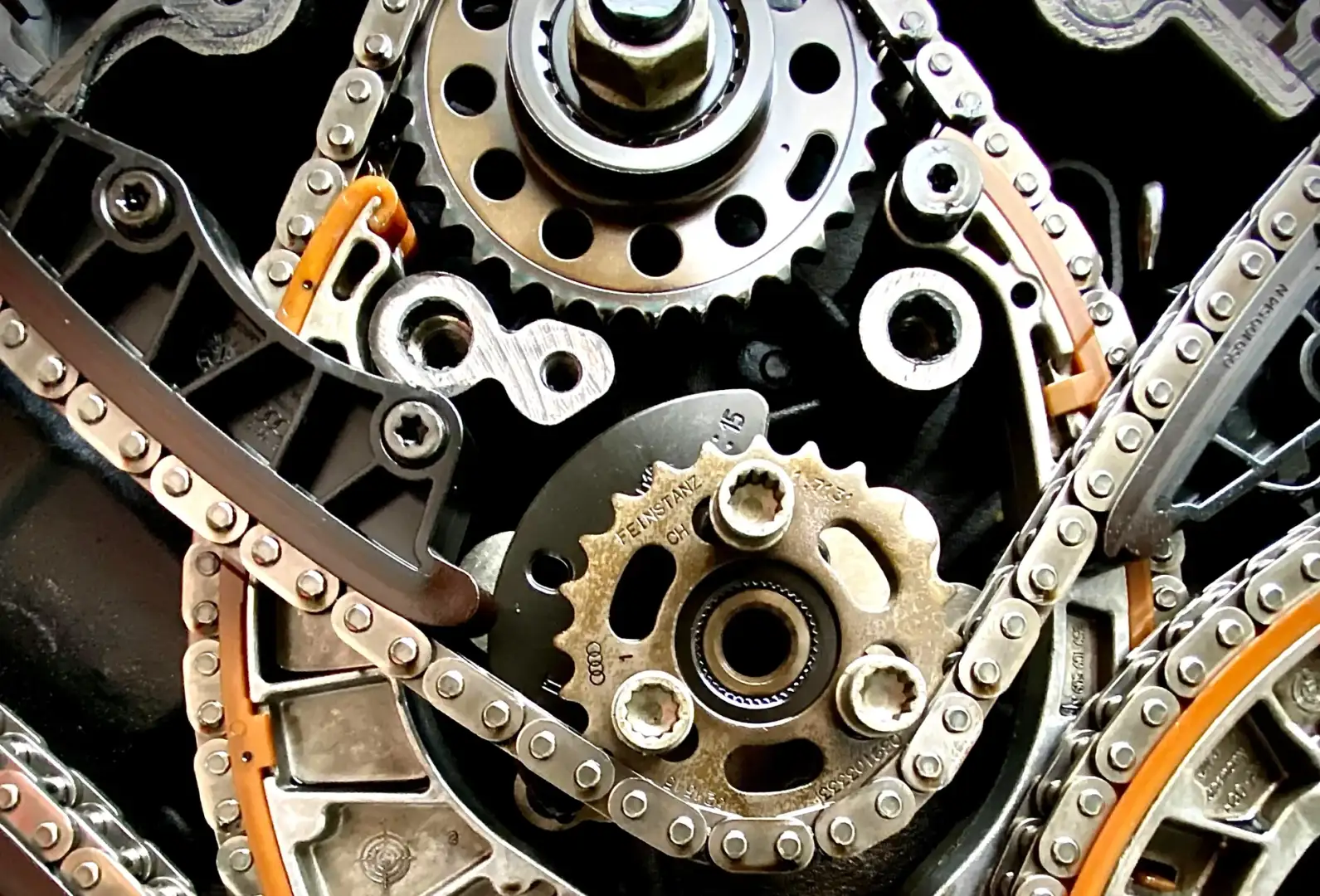
It’s one of the more common questions that comes up in the service bay: does my VW have a timing belt or a timing chain, and when does it need to be replaced? The answer depends entirely on which engine is under the hood, and getting it wrong in either direction, replacing something too late or not knowing you needed to replace it at all, can lead to engine damage that runs anywhere from $2,000 to $4,000 or more when a timing component fails catastrophically. Knowing which system your VW uses and what its service requirements actually are is one of the more useful things you can understand about your vehicle.
Timing components are among the most critical parts in any engine. Whether it’s a belt or a chain, this system synchronizes the rotation of the crankshaft and camshaft, ensuring that the engine’s valves open and close at exactly the right moment relative to the pistons. When that synchronization breaks down, whether through wear, breakage, or a skipped tooth, the result is almost always serious engine damage, and in some cases, complete engine failure. The difference between a belt and a chain has real implications for how and when you need to service your VW, and the two systems behave very differently over time.
Timing Belts: What They Are and Which VW Engines Use Them
A timing belt is made of reinforced rubber and runs quietly and efficiently, but it has a finite lifespan that requires replacement on a schedule regardless of whether it shows visible signs of wear.
- Timing belts are found on older and some current VW four-cylinder diesel engines. Many TDI diesel engines across multiple generations of Jetta, Golf, and Passat have used timing belts, and the replacement interval on these engines is typically every 80,000 to 100,000 miles or roughly every four to six years, whichever comes first.
- Belts don’t always show visible wear before they fail. Unlike a chain that often gives warning signs before it becomes a serious problem, a timing belt can look fine right up until it snaps, which is why following the manufacturer’s recommended interval rather than waiting for symptoms is critical.
- A timing belt replacement is a significant service but a manageable cost. On most VW diesel models, a full timing belt kit replacement including the water pump, tensioner, and idler pulleys typically runs between $600 and $1,000 depending on the model and labor involved. This is almost always done as a kit rather than the belt alone, since the surrounding components are accessible at the same time and wear at a similar rate.
- Interference engines make timing belt failure especially costly. Most VW engines are interference engines, meaning the pistons and valves occupy the same space at different times and rely entirely on the timing system to keep them from colliding. When a timing belt snaps in an interference engine, bent valves and damaged pistons are the typical result, which is where repair costs can climb to $3,000 or significantly more.
Daniel Hewitt, a technician at our Clarksburg location, says timing belt intervals are one of the things he watches closely on higher-mileage TDI vehicles that come in for routine service. He says a surprising number of owners don’t realize their diesel has a belt rather than a chain, and some have pushed well past the recommended interval without knowing it. He always checks the service history when a TDI comes in, and if the belt hasn’t been done within the recommended window, it goes on the priority list regardless of what else is being addressed that day.
Timing Chains: What They Are and Which VW Engines Use Them
Most modern VW gasoline engines, including the EA888 turbocharged four-cylinder found in a wide range of current Jetta, Tiguan, Golf, and Atlas models, use a timing chain rather than a belt.
- Timing chains are designed to last the life of the engine under normal conditions. Unlike belts, chains don’t have a fixed replacement interval and are generally expected to last well over 100,000 miles with proper maintenance.
- Oil maintenance is the most critical factor in chain longevity. Timing chains are lubricated by engine oil, which means oil that’s overdue for a change or running low can accelerate chain wear significantly. This is especially true in turbocharged engines that run hotter and put more demand on the oil system.
- Chain stretch is the most common failure mode. Over time and mileage, timing chains can stretch, which causes the timing to drift slightly from its correct position. A stretched chain often produces a rattling noise on cold starts that goes away after the engine warms up, and that sound is worth taking seriously rather than dismissing as a normal cold-start quirk.
- Timing chain tensioner failures are worth knowing about. On some VW EA888 engines, the chain tensioner has been a known wear item, and a failing tensioner can allow chain slack that leads to timing issues even before the chain itself is worn out.
The Real Cost Difference Between Catching It Early and Waiting
This is where the numbers make the case more clearly than anything else.
Caught early, timing chain wear on a VW four-cylinder:
- Timing chain kit replacement including tensioner and guides: $800 to $1,200
- Oil flush to remove contaminants before new chain installation: $100 to $150
- Total with early intervention: $900 to $1,350
Ignored until failure:
- Engine teardown and damage assessment: $300 to $500
- Bent valves and valve seat repair: $1,200 to $2,000
- Timing chain kit replacement on top of valve repair: $800 to $1,200
- Additional gaskets, seals, and labor for full reassembly: $400 to $600
- Total after catastrophic failure: $2,700 to $4,300 or more
The difference between those two outcomes comes down almost entirely to whether warning signs were addressed when they first appeared rather than monitored and hoped away. A cold-start rattle that goes away after a minute is easy to ignore. The repair bill it leads to is not.
What VW Owners in Clarksburg Should Do
Whether your VW has a belt or a chain, a few habits go a long way toward keeping the timing system in good shape:
- Know which system your engine uses. If you’re not sure whether your VW has a timing belt or a chain, ask at your next service visit. It takes about thirty seconds to look up and changes how you think about your maintenance schedule.
- Stay current on oil changes, especially on turbocharged chain-driven engines. Fresh oil is the single most important factor in timing chain longevity, and skipping or delaying oil changes on a turbocharged VW is one of the faster ways to accelerate chain wear.
- Don’t ignore a cold-start rattle. If you hear a brief rattling or ticking sound when the engine first starts that goes away within a minute or two, have it looked at rather than assuming it’s normal behavior.
- Follow the timing belt interval on TDI engines to the letter. If your VW is a diesel and you’re not sure when the belt was last replaced, find out before you add more miles.
The timing system is one of those things that most drivers never have to think about when it’s maintained properly, and that’s exactly the point. A VW that’s kept up with oil changes and timing service on the correct schedule should go a very long time without a timing-related issue. It’s only when those basics slip that the consequences tend to show up quickly and expensively.
If you’re not sure which timing system your VW uses, or it’s been a while since the system was inspected, stop by and let us take a look. The team at Volkswagen Clarksburg, located at 730 Lodgeville Rd, Bridgeport, WV 26330, can check your timing components, review your service history, and make sure your engine is on the right maintenance track before a small issue has a chance to become a costly one.
0 comment(s) so far on Timing Chain vs. Timing Belt: Which VW Engines Need What (and When)