


The VW “Oil Sludge” Myth: How Regular 10k-Mile Service Prevents Costly Engine Repairs.
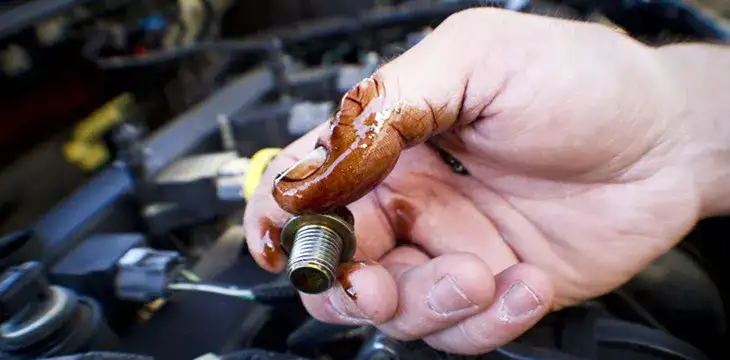
A Volkswagen Tiguan owner came into our service bay last month after noticing a ticking noise from the engine that had developed gradually over several months of commuting on I-79 between Bridgeport and Morgantown. He had been following the oil life monitor exclusively and stretching his oil changes to 12,000 and 13,000 miles, assuming the monitor’s reading reflected actual oil condition accurately in all driving conditions. When we pulled the valve cover, the oil passages in the cylinder head showed sludge accumulation consistent with extended intervals in stop-and-go driving conditions. The engine cleaning service and hydraulic lifter replacement that followed cost $1,640. Staying on a 10,000-mile or annual service schedule with the correct VW-specification oil would have cost $420 over the same period.
The term oil sludge carries a reputation in the Volkswagen ownership community that ranges from legitimate concern to outright myth, depending on who is doing the talking. Some owners dismiss it as dealer fearmongering designed to sell more oil changes. Others treat every oil change interval extension as an existential threat to their engine. The truth, as is usually the case, is more specific and more useful than either extreme. Oil sludge in Volkswagen turbocharged engines is a real phenomenon with a documented cause, a predictable set of contributing conditions, and a straightforward prevention strategy that costs a fraction of what sludge-related engine damage runs in a repair bay.
For Bridgeport and Clarksburg area VW owners, the driving conditions that most accelerate sludge formation are present in daily commuting in a way that the oil life monitors built into modern Volkswagen vehicles are not always calibrated to fully account for. The I-79 corridor between Bridgeport and Morgantown, with its stop-and-go patterns near the Meadowbrook Road interchange, the cold-start commutes that define Harrison County winters, and the short-trip driving that characterizes errands around Clarksburg and the Bridgeport commercial district, creates exactly the conditions where extending oil change intervals beyond the 10,000-mile or annual threshold produces consequences that the monitor reading doesn’t predict.
At Volkswagen Clarksburg, our service team sees the engine-level results of both approaches: the engines that have been maintained on consistent 10,000-mile or annual intervals with the correct VW-specification full synthetic oil, and the engines that have been stretched to 12,000, 14,000, or longer intervals because the monitor said they could be. The difference in long-term engine condition between those two groups is visible, consistent, and significant.
What Oil Sludge Actually Is and How It Forms
Oil sludge is not a single substance. It is the collective term for the byproducts that accumulate in engine oil when it has been subjected to conditions that accelerate its chemical breakdown beyond the point where its additive package can continue managing them. Fresh full synthetic oil in a VW turbocharged engine contains a complex package of additives that neutralize acids from combustion blowby, suspend combustion byproducts in a way that keeps them from depositing on metal surfaces, and maintain viscosity stability across the temperature range the engine operates in. When those additives are depleted, the suspended material begins to deposit on the coolest surfaces in the lubrication circuit, which are typically the oil return passages in the cylinder head, the sludge trap in the oil pan, and the passages feeding the hydraulic valve lifters.
The conditions that deplete the additive package fastest are not high-mileage highway driving. They are short trips, cold starts, and stop-and-go driving, which is the specific combination that Bridgeport-area commuting produces reliably. A short trip from a Clarksburg neighborhood to a worksite near the I-79 interchange that never fully warms the engine to operating temperature allows moisture and unburned fuel to accumulate in the oil faster than a highway commute does. Repeated cold starts on Harrison County winter mornings, where the oil is cold and thick at the moment the turbocharger begins spinning at high speed, put thermal stress on the oil at exactly the point where it has the least capacity to handle it. These conditions deplete the additive package at a rate that a mileage-based monitor, which calculates interval based on driving pattern inputs but cannot directly measure additive depletion, consistently underestimates in this specific driving environment.
Why the Oil Life Monitor Is a Starting Point, Not a Final Answer 🔧
Volkswagen’s oil life monitoring system is a sophisticated tool that calculates remaining oil life based on driving pattern data including trip length, engine temperature cycles, load, and RPM history. It is a meaningful improvement over fixed-interval stickers and produces accurate interval recommendations for the majority of driving patterns it was calibrated against. Where it produces less accurate recommendations is at the margins of its calibration range, and the short-trip, cold-start, stop-and-go pattern that characterizes daily driving in Harrison County during winter months is closer to those margins than the system’s designers optimized for.
The practical implication is that the oil life monitor percentage is a ceiling for the service interval, not a floor. When the monitor reads 30 percent remaining, the oil has 30 percent or less of its service life left based on the system’s calculation. It does not mean the oil definitively has 30 percent remaining under all driving conditions. For VW owners in the Bridgeport area whose daily driving pattern involves more cold starts, shorter trips, and more stop-and-go than the monitor’s calibration assumed, treating the monitor as a maximum rather than a target and scheduling service at 10,000 miles or 12 months, whichever comes first, is the approach that our engine inspection data consistently supports.
The turbocharger’s oil demand adds another layer to this. The VW TSI and TDI turbocharged engines use engine oil to both lubricate and cool the turbo bearings, which reach temperatures that the rest of the engine’s lubrication circuit never approaches. Oil that is approaching the end of its service window has reduced thermal stability at exactly the point where the turbo is demanding the most of it, which is under load on the I-79 grade north of Bridgeport. Sludge formation in the turbo oil feed line is one of the earliest and most consequential manifestations of extended interval oil degradation in VW turbocharged engines.
What Regular 10k-Mile Service Costs vs. What Sludge Damage Costs 💰
The financial case for consistent 10,000-mile or annual service intervals is one of the clearest in Volkswagen ownership:
- Full synthetic oil change with VW-specification fluid (per service): $85 to $110
- Three oil changes over 30,000 miles at 10k intervals: $255 to $330
- Four oil changes over 40,000 miles at 10k intervals: $340 to $440
Consistent service over 40,000 miles: $340 to $440 total
Sludge-related repair costs from extended intervals:
- Engine oil system flush and cleaning service: $280 to $480
- Hydraulic lifter replacement (sludge-restricted): $480 to $860
- Turbocharger cleaning service (oil feed deposit): $350 to $600
- Turbocharger replacement (advanced deposit damage): $2,200 to $3,800
- Engine replacement (severe long-term sludge damage): $6,500 to $12,000
A VW owner who stays on a 10,000-mile or annual interval with the correct oil specification over 100,000 miles spends approximately $850 to $1,100 on oil services. The engine that results from that maintenance history is worth protecting. The engine that results from four or five years of stretched intervals in Bridgeport’s driving conditions is demonstrably less so, and the repair costs that follow are not covered by any warranty once the interval extension is documented.
A Bridgeport Driver Who Caught It Before the Damage Was Complete
A Volkswagen Golf R owner from Bridgeport came in last winter after a mild ticking at idle that he had been monitoring for three weeks. He had 48,000 miles on the vehicle and his service records showed oil changes at 11,000, 13,500, and 14,200-mile intervals over the previous three services, each time waiting for the monitor to drop below 15 percent before scheduling. The valve cover inspection showed early sludge formation in the cylinder head oil return passages but the hydraulic lifters had not yet been restricted enough to cause measurable wear. An oil system flush and cleaning service corrected the condition for $380 before the lifters were affected. He left with a documented baseline and a 10,000-mile service reminder set in our system. His subsequent two oil change inspections have shown clean passages with no further sludge development.
Warning Signs Your VW Engine Needs Attention ⚠️
These indicators suggest oil-related engine issues that may have been developing from extended service intervals or incorrect oil specification:
Ticking or tapping noise at idle that clears after the engine warms: A hydraulic lifter that is receiving restricted oil flow from a partially sludged passage produces a characteristic ticking at cold idle that may reduce as the oil warms and thins. This pattern is the classic early warning of sludge-restricted oil passages and warrants immediate inspection rather than a watch-and-see approach.
Oil pressure warning light at idle after the engine is warm: Sludge accumulation in the oil pickup screen or main oil passages reduces the volume of oil the pump can move through the circuit. A pressure warning at warm idle, when oil viscosity is at its lowest and pump demand is at its minimum, indicates the restriction has become significant enough to affect system pressure at normal operating conditions.
Oil consumption that has increased between services: An engine that is burning oil at a rate that requires topping off between 10,000-mile intervals has typically developed either piston ring or valve seal issues, both of which are accelerated by the deposit formation that sludge-prone oil conditions produce on ring grooves and valve stems.
Dark, thick oil at service intervals shorter than expected: If your oil appears very dark and has thickened noticeably at 6,000 or 7,000 miles after a fresh change, the engine is running hotter than normal or combustion blowby is contaminating the oil faster than the additive package can manage. Either condition warrants a service interval shorter than the monitor recommends and an investigation into the cause.
Turbo response that has become sluggish at partial throttle: Deposit formation in the turbo oil feed line restricts oil flow to the turbo bearings, which affects both the turbo’s thermal management and its mechanical response. A turbo that spools more slowly than it did at delivery, particularly on the I-79 on-ramps from Bridgeport, may be showing the first performance symptom of an oil system that has been stretched past its service window.
Check engine light with oil system or valve timing fault codes: The variable valve timing systems in modern VW engines use oil pressure to actuate the camshaft timing adjustment mechanisms. Sludge in the timing chain tensioner oil passages or the variable valve timing solenoids produces fault codes that appear as check engine lights with timing-related descriptions. These codes trace to oil condition rather than timing hardware in many cases that come through our service bay.
Metallic particles visible in drained oil at service: Oil that contains visible metallic particles during a drain indicates wear is occurring at a rate that the oil’s suspended load capacity cannot manage. In a VW turbocharged engine, this finding warrants an immediate investigation into which component is contributing the particles before the next service interval accumulates further damage.
What Our Service Team Says
“The oil sludge conversation comes up every week in our service bay, and the honest version of it is this: it is completely preventable, and it is not that hard to prevent. Use the VW-specified full synthetic oil, come in at 10,000 miles or once a year, and don’t stretch the interval because the monitor still shows green. The monitor is a tool. It is not a guarantee. The driving conditions in Bridgeport and Clarksburg, the cold starts in January, the short trips around town, the stop-and-go on I-79 near the Meadowbrook interchange, these are exactly the conditions that deplete oil faster than the monitor assumes. We have seen what the inside of an engine looks like when someone stretched four intervals in a row in this climate. It is a conversation nobody wants to have at 60,000 miles.” — Derek Haines, Senior Service Technician, Volkswagen Clarksburg
When Staying on Schedule Made All the Difference
Patricia drives her Volkswagen Tiguan between her home near Bridgeport and her office in Clarksburg daily, a commute that involves exactly the short-trip, cold-start pattern that accelerates oil degradation fastest. She established a standing oil change appointment at Volkswagen Clarksburg every 10,000 miles or every October, whichever came first, from her second year of ownership after a conversation with our service team about the driving pattern risk. At 87,000 miles, her engine’s oil passages are clean on inspection at every service, her turbo response is as immediate as it was at delivery, and her hydraulic lifters have never ticked. She has spent approximately $870 on oil services over that mileage. The engine she is protecting has another 100,000 miles ahead of it if the maintenance history continues.
Your 30-Day Engine Health Plan
This week, pull your last three oil change service records and note the mileage intervals between each service and the oil specification used at each visit. If any interval exceeded 11,000 miles or 13 months, or if the records show a non-VW-specification oil was used, those are the two findings that most directly correlate with sludge risk in this driving environment. You don’t need to panic over a single extended interval. You do need to know whether a pattern has developed, because patterns compound.
Within two weeks, if your current oil change is overdue by mileage or by the annual calendar mark, schedule that service at Volkswagen Clarksburg and ask our technician to note the oil condition at the drain. Oil that drains very dark and thick at an interval shorter than 10,000 miles is telling you the driving pattern is harder on the oil than the monitor assumes, which is information worth having before the next interval decision is made.
By month’s end, establish a standing service reminder at Volkswagen Clarksburg that uses both a mileage trigger and a calendar trigger, whichever comes first, rather than relying solely on the oil life monitor percentage. Our service system can maintain that reminder for you and send notifications at the appropriate interval based on your specific driving pattern data from previous visits. This one scheduling change costs nothing and represents the single most effective engine protection decision a VW owner in Bridgeport’s driving environment can make.
Schedule Your Oil Service at Volkswagen Clarksburg
The Tiguan owner whose extended intervals produced $1,640 in sludge-related engine work came back on a consistent schedule after that repair and has maintained it through two subsequent years of I-79 commuting. His valve cover inspection at his most recent service showed clean passages and no further sludge development. The damage from the extended intervals was corrected before it reached the components that would have required engine replacement, and the maintenance history since has ensured it has not returned. Regular 10,000-mile service with the correct oil is not a complicated strategy. It is a straightforward one that works every time it is followed consistently.
Our team at Volkswagen Clarksburg uses only VW-approved full synthetic oil specifications at every service and documents the oil condition findings that give you visibility into what your engine’s lubrication history looks like over time. That documentation is the early warning system that the oil life monitor alone cannot provide.
Visit us at Volkswagen Clarksburg, 730 Lodgeville Rd, Bridgeport, WV 26330. Our service department is open Monday through Saturday. Schedule your oil service online through our website or speak with one of our service advisors directly. We serve drivers from Bridgeport, Clarksburg, Shinnston, Weston, Fairmont, and throughout North Central West Virginia. Your VW engine was built to last. The oil service schedule is what makes that possible. 🔧
0 comment(s) so far on The VW “Oil Sludge” Myth: How Regular 10k-Mile Service Prevents Costly Engine Repairs.