


Taming the Appalachian Hairpins: Why the New VW Golf R and GTI Need Specialized Differential Fluid Services in Clarksburg
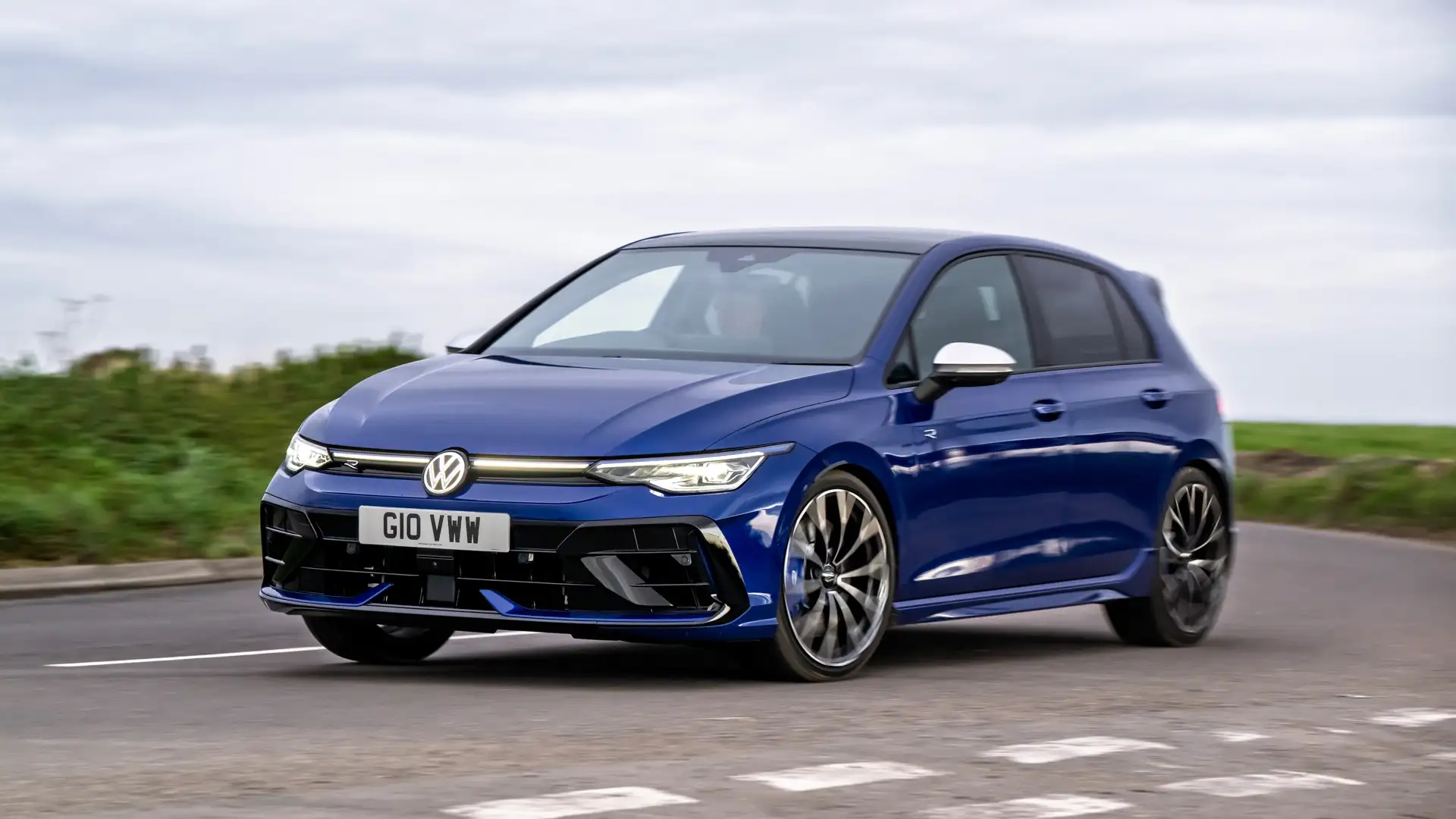
US-50 between Clarksburg and Grafton, the climbs along WV-20, and the hairpin turns winding through the hills surrounding Bridgeport are exactly the kind of roads that make a Golf R or GTI worth owning. Skipping the Golf R’s scheduled differential fluid service doesn’t show up as a warning light, it shows up years later as a clutch pack repair that costs several times what the fluid change would have, and by then the damage is already done. Both cars are genuinely built for this terrain, but the systems that make them so capable through tight curves and elevation changes work in fundamentally different ways from each other, and treating them identically at service time misses what each one actually needs.
Understanding how the Golf R’s AWD differential and the GTI’s front-wheel-drive limited-slip system are built, and what Harrison County’s mountain roads ask of each, helps Clarksburg-area owners keep both cars performing the way Volkswagen engineered them to.
The Golf R’s Torque-Vectoring Rear Differential
The Golf R’s standard 4MOTION AWD system can send up to 50 percent of engine power to the rear axle, and the torque-vectoring rear differential then distributes that power between the left and right rear wheels independently, sending up to 100 percent of the rear axle’s share to a single wheel when conditions call for it. That capability is what lets a Golf R rotate confidently through a tight hairpin on WV-20 rather than understeering wide the way a simpler AWD system might.
This precision comes from a clutch-pack-based system, similar in principle to the Haldex units VW uses elsewhere in its AWD lineup, that relies on hydraulic fluid to engage and modulate the clutch packs controlling power distribution to each rear wheel. Volkswagen’s published maintenance documentation calls for that rear differential fluid to be changed every 40,000 miles or 4 years, whichever comes first. That interval exists because the fluid degrades over time and accumulates fine wear particles from normal clutch pack operation, and fluid that’s run past its service life loses the properties that let the clutch packs engage cleanly and respond quickly.
For a Golf R driven the way Harrison County’s terrain invites, working the differential hard through sustained sequences of curves rather than occasional highway merges, that fluid is doing real work on every drive. A differential that’s asked to vector torque aggressively and repeatedly through a winding mountain route accumulates wear on the clutch packs faster than one used primarily for flat commuting, which makes staying current on that 40,000-mile interval more important here than it might be for the same car driven somewhere flatter.
A complete Golf R drivetrain service should cover:
- Rear differential fluid replacement on the 40,000-mile or 4-year schedule, using VW’s specified fluid rather than a generic differential fluid that doesn’t match the clutch pack material and hydraulic requirements
- A function check of the torque-vectoring system using VW diagnostic equipment, confirming the clutch packs are engaging and releasing correctly rather than relying on subjective driving impressions alone
- Inspection of the rear differential housing and associated seals for any sign of fluid seepage, which can indicate developing wear before it progresses to a clutch pack failure
The GTI’s VAQ Front Limited-Slip Differential
The GTI takes a completely different approach. It remains front-wheel-drive, and its cornering grip comes from the VAQ system, an electronically controlled, torque-sensing limited-slip front differential that works alongside the XDS brake-based torque vectoring system to reduce understeer and keep power going to the wheel with the most available grip through a corner. Unlike the Golf R’s rear unit, the VAQ system doesn’t carry the same scheduled fluid change requirement as a traditional differential, since it’s integrated into the transmission housing and shares lubrication with the transaxle rather than operating as a standalone serviced component.
That doesn’t mean the GTI’s cornering hardware is maintenance-free. The VAQ system depends on an external clutch pack and electronic control unit that need to communicate correctly with the rest of the vehicle’s stability and traction systems, and confirming that communication is functioning properly is a legitimate part of a thorough service visit, particularly for a car being driven hard through the kind of repeated direction changes Harrison County’s hairpins demand.
Transmission fluid condition matters more for a GTI driven aggressively through mountain terrain than VW’s standard interval might suggest, precisely because the VAQ system shares that fluid environment. A GTI used regularly for the kind of spirited driving these roads invite benefits from:
- Transmission fluid inspection at a frequency that accounts for the additional thermal and mechanical load that aggressive cornering places on the transaxle housing the VAQ system shares
- A diagnostic check of the VAQ system’s electronic control unit and clutch pack response, confirming the system is engaging predictably rather than assuming normal operation from driving feel alone
- Brake inspection that accounts for the XDS system’s reliance on the brakes themselves to help vector torque, since that system uses brief, targeted brake applications on the inside wheel during cornering, which adds a small amount of additional wear beyond normal braking
Why Harrison County’s Terrain Makes the Distinction Matter
A Golf R or GTI driven primarily on flat, straight roads puts relatively light demand on either of these systems. That’s not the driving environment around Clarksburg and Bridgeport. The combination of elevation changes, tight curves, and the kind of road that rewards a well-tuned chassis means both cars are using their respective cornering systems more often and more aggressively than the same vehicles would see in flatter parts of the country.
For Golf R owners, that means the 40,000-mile differential fluid interval isn’t a distant, easy-to-forget service item. It’s a maintenance milestone that protects a system doing real, repeated work every time the car tackles a stretch of WV-20 or the curves along US-50. For GTI owners, it means paying attention to transmission fluid condition and VAQ system function with the understanding that aggressive cornering, the exact kind these roads invite, asks more of that shared fluid environment than commuter driving would.
Getting the Right Service for Each Car
Treating a Golf R and a GTI identically at service time misunderstands what makes each one work. The Golf R’s rear differential is a discrete, fluid-serviced component with a clear factory interval. The GTI’s VAQ system is integrated differently and calls for a different kind of attention, one focused on fluid condition and electronic function rather than a standalone fluid change. A technician who understands that distinction is what keeps either car performing the way Volkswagen built it to, rather than applying a generic AWD or differential service that doesn’t match the actual hardware underneath.
The factory-trained service team at Volkswagen Clarksburg, located at 730 Lodgeville Rd, Bridgeport, WV 26330, services both the Golf R’s torque-vectoring rear differential and the GTI’s VAQ front limited-slip system using VW-specific procedures and diagnostic equipment. Schedule your appointment and make sure whichever hot hatch you’re driving through Harrison County’s hairpins is getting the service its specific drivetrain actually needs.
0 comment(s) so far on Taming the Appalachian Hairpins: Why the New VW Golf R and GTI Need Specialized Differential Fluid Services in Clarksburg