


Spring Tech Refresh: Updating your VW’s IQ.DRIVE software for safer highway travel on I-79
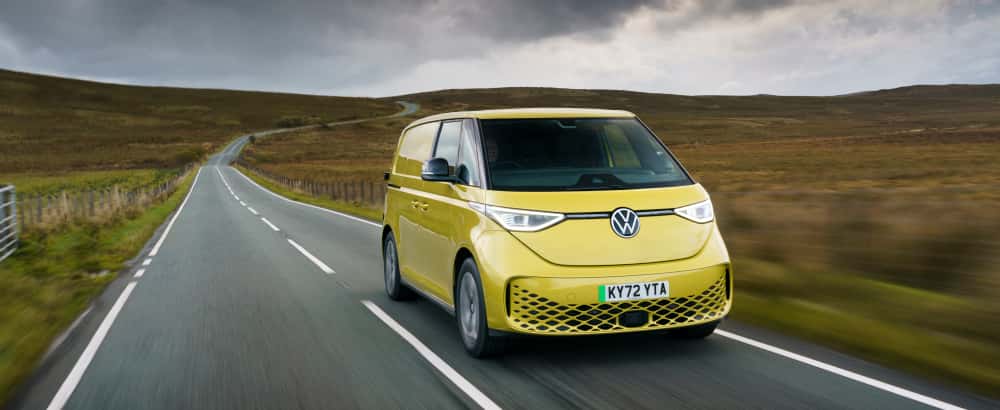
Kevin had been noticing subtle changes in how his Volkswagen Tiguan’s adaptive cruise control behaved on I-79 northbound between the Meadowbrook Road interchange and the Fairmont exit for several months. The system occasionally hesitated before responding to closing traffic and had stopped offering lane centering suggestions on a stretch of highway where it previously worked reliably. He had assumed it was a quirk of the system and ignored it through the winter. A software diagnostic at our facility revealed his IQ.DRIVE suite was running two major update versions behind current, a correction that took 90 minutes and cost $95. The hesitation and lane centering dropout had been addressed in both missed updates.
IQ.DRIVE is Volkswagen’s integrated suite of driver assistance technologies, and on I-79 between Bridgeport and Fairmont it earns its keep daily. The adaptive cruise control that maintains following distance through the grade changes south of Morgantown, the lane assist that holds the vehicle centered through the long sweeping curves near the Uffington exit, and the Travel Assist system that combines both for semi-automated highway driving are all components of IQ.DRIVE. What most Volkswagen owners in the Bridgeport and Clarksburg area don’t realize is that these systems are software-dependent in a way that makes their performance directly tied to whether the vehicle is running current code.
Volkswagen releases IQ.DRIVE software updates regularly. Some updates refine the responsiveness of the adaptive cruise system. Others improve the lane assist algorithm’s ability to handle the kind of road markings found on rural West Virginia highways like US-50 and US-19, which wear differently than the interstate markings the system was originally calibrated on. Some updates address specific behaviors that have been identified through real-world driving data from the broader Volkswagen fleet. None of these improvements reach your vehicle automatically in most cases. They require a service visit, and spring is the right time to make sure you haven’t been driving on outdated code through a season of I-79 highway miles.
How IQ.DRIVE’s Software Architecture Works
IQ.DRIVE is not a single piece of software running on one module. It is a coordinated suite of systems that includes the front radar unit, the forward camera, the lane assist camera, the park distance control sensors, and the central driver assistance control module that integrates input from all of them into a unified response. Each of these components has its own firmware, and the central module has its own operating software that has to be compatible with the firmware versions on each sensor and camera it communicates with.
When Volkswagen releases an IQ.DRIVE update, it typically includes coordinated firmware revisions across multiple components alongside the central module update. Installing only part of an update, which is what happens when a vehicle receives an over-the-air partial update but hasn’t had the full dealer-applied package, can leave the system running mismatched versions that produce exactly the kind of subtle behavioral inconsistencies that Kevin experienced on I-79. A full software verification at the dealer level reads every component version, identifies mismatches, and applies the complete current package in the correct sequence.
Why I-79 Between Bridgeport and Fairmont Demands Current Software 🛣️
Not all highway driving asks the same things of an IQ.DRIVE system. The I-79 corridor between Bridgeport and Fairmont is a specific kind of demanding. The grade changes between the Meadowbrook Road interchange and the Westover exit require the adaptive cruise system to anticipate vehicle speed changes rather than simply react to them, which is a behavior that has been refined through successive software updates. The lane markings on this stretch vary significantly in condition from the well-maintained lanes near the Morgantown exits to the worn markings on the older pavement sections near Fairmont, and the lane assist algorithm’s ability to handle that variation has been improved in recent update packages.
The traffic patterns on I-79 also create conditions that test the system’s object classification. The mix of commercial traffic from the regional distribution centers near Bridgeport, the WVU student commuter volume between Morgantown and Fairmont, and the variable speeds created by the grade changes means the adaptive cruise system is constantly managing a more complex picture than it would on a flat, consistent-traffic highway. Software updates that improve object classification and following distance management in variable traffic have a more noticeable impact on this stretch than they would on a more predictable highway environment.
What an IQ.DRIVE Software Service Costs vs. What Outdated Software Costs 💰
The cost of keeping IQ.DRIVE current is straightforward at Volkswagen Clarksburg:
IQ.DRIVE software version check and diagnostic: $45 to $75 Full software update package (all modules): $95 to $145 Individual module firmware update: $65 to $95 Post-update system calibration and verification: $85 to $125 Combined update and calibration visit: $150 to $220
Running outdated IQ.DRIVE software has costs that are harder to quantify but real:
Adaptive cruise recalibration after hesitation-related incident: $280 to $420 Forward camera recalibration after false warning event: $175 to $260 Lane assist module replacement after misdiagnosed software fault: $450 to $800 General diagnostic for behavioral complaints traced to software version: $110 to $160
The pattern we see regularly is that owners who notice IQ.DRIVE behavioral changes and wait often end up paying for diagnostics that trace the issue to a software version that an update would have addressed months earlier for a fraction of the cost.
A WVU Commuter Who Noticed the Difference Immediately
A Volkswagen Arteon owner from Star City uses I-79 daily between Morgantown and his workplace near the Bridgeport interchange. He had been managing an adaptive cruise system that he described as jumpy on the southbound descent toward Fairmont, reacting late to slower traffic and occasionally braking harder than necessary when a vehicle merged ahead of him. He had adjusted his following distance setting to compensate and largely written off the behavior as a characteristic of the system. When he brought the vehicle in for an oil change and we ran a software version check alongside it, his IQ.DRIVE central module was 14 months behind current and the forward camera firmware had not received an update that specifically addressed following distance response on grade changes. The full update package cost $145. He described the system on his next commute as feeling like a different car.
Warning Signs Your IQ.DRIVE Software Needs Attention ⚠️
IQ.DRIVE software that is out of date produces recognizable patterns. These are the indicators to watch for on your I-79 commute and the surface streets around Bridgeport and Clarksburg:
Adaptive cruise that reacts later than it used to: If the system feels like it waits longer before modulating speed in response to changing traffic on I-79, particularly on the grade sections where relative speeds change quickly, a software update addressing cruise response time may be available.
Lane assist that disengages on familiar stretches of road: If the system reliably held lane centering on a specific section of US-50 or I-79 last year but now drops out in the same location, the lane marking recognition algorithm in your current software version may not be handling that specific road surface condition as well as the current version does.
Travel Assist that won’t activate above certain speeds: Some versions of the IQ.DRIVE software had activation threshold issues that were addressed in subsequent updates. If Travel Assist is declining to engage at speeds where it previously worked, the fix may already be available in a software package.
Forward collision warnings that trigger without clear cause: A false positive on the Lodgeville Road approach to I-79 or on the Meadowbrook Road interchange ramp can indicate the object classification in the current software version is misidentifying road features. Updated classification algorithms in newer software versions reduce false positives on familiar road geometries.
Park Assist that no longer offers guidance in familiar locations: The parking assistance features in IQ.DRIVE have received significant refinements in recent update cycles. A system that was reliable in the Volkswagen Clarksburg lot or in a familiar parking structure in downtown Clarksburg but has become inconsistent may be running a version that predates those refinements.
Rear traffic alert that behaves inconsistently: The rear cross-traffic alert’s detection pattern and warning timing have been updated in recent software packages. Warnings that feel early, late, or inconsistent compared to how the system behaved when the vehicle was newer may reflect software version differences rather than sensor deterioration.
System that requires more frequent manual resets than before: If you find yourself canceling and re-engaging the adaptive cruise or lane assist more often than you used to on your I-79 commute, the system may be encountering conditions its current software handles less gracefully than the updated version would.
What Our Service Team Says
“IQ.DRIVE is one of those systems where the difference between an updated vehicle and one that’s running old software is genuinely noticeable on a road like I-79. The updates aren’t cosmetic changes. Volkswagen is pushing real behavioral improvements based on data from how these systems perform in real-world driving, and those improvements matter on a highway with the grade changes and traffic mix that the Bridgeport to Fairmont corridor has. I tell every customer: spring is the right time to check your software version, before another season of highway miles on code that may already have a better version available.” — Derek Haines, Senior Service Technician, Volkswagen Clarksburg
When an Update Restored a System’s Full Capability
Sandra drives a Volkswagen Atlas between her home in Shinnston and her office near the I-79 Bridgeport interchange, covering the stretch of US-19 and I-79 that puts the IQ.DRIVE system through its paces daily. She had noticed her lane assist generating corrections that felt slightly abrupt on the curve sections of US-19 south of Clarksburg, a behavior that had developed gradually over the past year. When she mentioned it at her spring oil change appointment, we ran a software version check and found her lane assist module was running firmware that predated a specific update addressing steering correction smoothness on curved road sections. The firmware update took 45 minutes. She reported the abrupt corrections were gone on her very next commute. No parts were replaced, no sensors were adjusted. The software was simply current.
Your 30-Day IQ.DRIVE Spring Refresh Plan
This week, pay deliberate attention to how your IQ.DRIVE systems behave on your next I-79 commute. Engage the adaptive cruise on the northbound approach from the Bridgeport interchange and note whether it responds to traffic changes the way it did when the vehicle was new. Activate lane assist through the curve sections near the Uffington exit and observe whether it holds center smoothly or produces corrections that feel abrupt or inconsistent. You are not looking for dramatic failures. You are looking for the subtle changes that develop slowly enough that most owners stop noticing them.
Within two weeks, check your vehicle’s software version through the infotainment system settings menu if your model displays it, or note the last software update date from your service records. If you cannot identify when the last IQ.DRIVE update was applied, that gap in your service history is itself a reason to schedule a version check. The system version information our technicians pull during a diagnostic visit gives a complete picture of where each component stands relative to current release.
By month’s end, schedule a spring IQ.DRIVE software check at Volkswagen Clarksburg. Combine it with your spring oil change or any other scheduled service to make the most of a single visit. Our technicians will read every module version in the IQ.DRIVE suite, compare them against the current Volkswagen release for your model year, and apply any available updates in the correct sequence with post-update calibration verification. These three steps take less than a morning and ensure that the system you are relying on for I-79 highway safety is running the best version Volkswagen has released for your vehicle. 🔄
Schedule Your IQ.DRIVE Update at Volkswagen Clarksburg
Kevin, whose Tiguan was running two major update versions behind current through an entire winter of I-79 commuting, came back for his spring appointment and left with a system that behaved the way it was designed to. The hesitation on the northbound approach to Fairmont was gone, and the lane centering that had been dropping out was working consistently through the stretch where it had previously failed. He asked why nobody had told him about the updates sooner. The answer is that software updates don’t generate warning lights. They require a proactive check, and spring is the right time to make that check part of your regular maintenance rhythm.
Volkswagen Clarksburg’s service team has the factory diagnostic tools, the current software release access, and the I-79 corridor knowledge to make sure your IQ.DRIVE suite is performing at the level Volkswagen’s engineers intended. A system that was good when you bought it can be better now if it has received the updates Volkswagen has developed since delivery.
Visit us at Volkswagen Clarksburg, located at 730 Lodgeville Rd, Bridgeport, WV 26330. Our service department is open Monday through Saturday. Schedule your spring IQ.DRIVE refresh online through our website or speak with one of our service advisors directly. We serve drivers from Bridgeport, Clarksburg, Shinnston, Weston, Fairmont, and throughout North Central West Virginia. I-79 deserves a driver assistance system that’s running its best version. Let’s make sure yours is. 💡
0 comment(s) so far on Spring Tech Refresh: Updating your VW’s IQ.DRIVE software for safer highway travel on I-79