


Signs Your Volkswagen Needs a Timing Belt Replacement
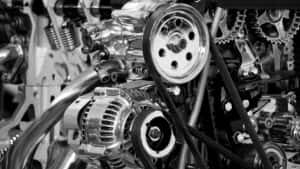
When it comes to car maintenance, some things can be put off for a while — like a car wash or a detail. But your Volkswagen’s timing belt is not one of them. This small but mighty part is what keeps your engine running in sync. If it slips or breaks, your engine can suffer serious damage in just seconds. For drivers around Bridgeport and Clarksburg, WV, where we rely on our cars daily for commutes, errands, and weekend trips into the hills, staying ahead of timing belt service is critical.
Why the Timing Belt Matters So Much
The timing belt’s job is to connect the camshaft and crankshaft so the pistons and valves move together in perfect rhythm. Without it, your engine would simply stop working. And if the belt fails while you’re driving, the pistons and valves can collide, bending or breaking engine components. That kind of repair can cost thousands of dollars — far more than a scheduled belt replacement.
Think of it this way: a timing belt is like the conductor of an orchestra. If the conductor drops the baton, the entire performance falls apart.
Common Warning Signs 🚨
Here are some signals your Volkswagen may be hinting at before the belt gives out:
- Ticking or clicking noises from the engine.
- Misfiring or shaking at idle, suggesting the valves aren’t opening at the right times.
- Oil leaks around the timing cover.
- Starting issues, from longer cranks to a complete no-start.
- Check engine light triggered by misalignment issues.
- Visible wear or cracks (if inspected).
⚠️ The tricky part? Sometimes the belt gives no warning at all before snapping. That’s why staying on top of scheduled replacements is the safest route.
How West Virginia Driving Conditions Affect Timing Belts
Driving around Bridgeport, Clarksburg, and the rolling Appalachian foothills brings its own set of challenges:
- Hilly roads put added strain on your engine, especially during uphill climbs.
- Stop-and-go traffic around city centers increases wear compared to long highway drives.
- Hot summers and cold winters cause rubber parts to expand and contract, which can accelerate cracking or wear.
- Frequent short trips (like running errands around town) don’t allow the engine to reach full operating temperature, which can also shorten belt life.
All of this means local drivers may see timing belt wear earlier than someone driving mostly flat, steady highway miles.
Recommended Replacement Intervals
Most Volkswagen models need a timing belt replacement between 60,000 and 100,000 miles. The exact interval depends on your vehicle and engine type, but here’s a quick guide to help:
- VW Jetta & Passat (older models, 4-cyl engines) — around 60,000 miles
- VW Tiguan & Golf — usually closer to 80,000 miles
- VW Atlas, Passat V6 models — often 90,000 to 100,000 miles
💡 A good rule of thumb: if you’re not sure whether your VW’s timing belt has been replaced, it’s better to have it inspected sooner rather than later.
What Happens During a Timing Belt Service?
At Volkswagen Clarksburg, our certified technicians don’t just swap the belt and send you on your way. We take a full-system approach:
- Replacing the timing belt itself
- Inspecting and often replacing tensioners and pulleys (these keep the belt tight and aligned)
- Replacing the water pump (since it’s driven by the belt in many VW engines, and failing pumps can damage a new belt)
- Checking related seals and gaskets to prevent leaks
This kind of preventive maintenance gives you peace of mind and helps avoid duplicate labor costs later.
Local Expert Insight
“Timing belts are one of those parts you really don’t want to gamble on,” says Ethan Caldwell, Volkswagen-certified technician at Volkswagen Clarksburg. “I’ve seen customers come in after a snapped belt, and unfortunately, it usually means bent valves and sometimes a whole engine replacement. Replacing it on schedule — often with the water pump — is a much smarter investment.”
Why It Matters for Families in Bridgeport & Clarksburg
For many families here, the Volkswagen isn’t just a car — it’s the daily commuter, the school shuttle, the road trip vehicle, and the weekend getaway ride. That means reliability isn’t optional, it’s a must.
Imagine planning a trip down I-79 or heading to Stonewall Jackson Lake for a family day and having your engine seize halfway there. Preventing that scenario is exactly why staying ahead of timing belt service is so important.
Final Thoughts
Your Volkswagen was built for dependable performance, but even the strongest engines rely on proper maintenance. The timing belt is one of the most crucial components to keep your vehicle running smoothly. By replacing it at the recommended intervals — and paying attention to early warning signs — you’ll protect your car, your wallet, and your peace of mind.
📍 Visit Volkswagen Clarksburg at 730 Lodgeville Rd, Bridgeport, WV 26330 today, or schedule your timing belt service online. Our expert team is here to keep your Volkswagen reliable for every mile ahead.
0 comment(s) so far on Signs Your Volkswagen Needs a Timing Belt Replacement