


Packing for West Virginia State Parks: Maximize Cargo Space with VW Roof Rack Attachments
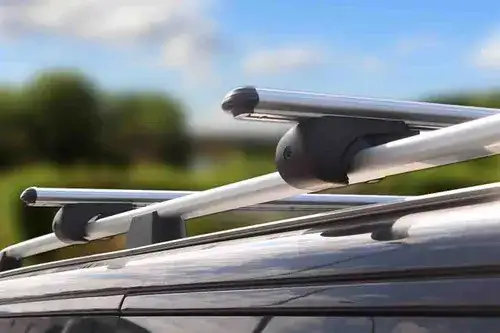
Key Takeaways
- Roof cargo boxes free up interior space for passengers while keeping camping gear, coolers, and hiking equipment secure and weatherproof.
- Crossbar and attachment compatibility varies by VW model, so matching the right rack system to a Tiguan, Atlas, or Golf matters before a trip.
- Weight limits and aerodynamics affect fuel economy, especially on the mountain grades common on routes to Canaan Valley and Blackwater Falls.
- Professional installation prevents leaks and rack noise, two of the most common complaints from owners who install racks themselves.
Anyone who has tried to fit two coolers, a tent, sleeping bags, and a dog crate into a Tiguan for a weekend at Blackwater Falls knows the real challenge is not the drive up Route 32, it is the packing. A roof rack system that costs a few hundred dollars upfront can save owners from cramming gear into footwells and blocking rear visibility for an entire season of trips. West Virginia’s state parks reward people who show up prepared, and for VW owners across Bridgeport, Clarksburg, and the surrounding areas, that usually means rethinking cargo space before the tank even gets filled.
Why Roof Cargo Matters More in West Virginia
Unlike a flat interstate drive, getting to most West Virginia state parks means climbing grades, taking switchbacks, and sometimes finishing on gravel or forest service roads. That changes how a vehicle should be loaded. A trunk stuffed to the ceiling with camping gear blocks the rearview mirror and shifts weight in ways that matter more on curvy mountain roads than they would on a flat highway commute. Moving bulky items like tents, folding chairs, and sleeping bags to the roof keeps the vehicle’s interior weight lower and better distributed, which makes a real difference once the road starts climbing toward places like Canaan Valley or the overlooks near Blackwater Falls.
There is also the simple matter of trip length. Many West Virginia camping trips stretch across a long weekend or longer, which means more gear than a typical day trip. A family heading to Holly River State Park for four nights is packing very differently than someone doing a quick afternoon hike at Coopers Rock, and roof storage is often what makes the difference between a cramped ride and a comfortable one.
Matching the Rack System to the Vehicle
Not every VW handles cargo the same way, and roof rack attachments are not universal across the lineup.
- Atlas and Atlas Cross Sport owners typically have the most flexibility, since factory-installed roof rails accept a wide range of crossbar systems and can support cargo boxes, kayak carriers, and bike mounts without much fuss.
- Tiguan models built with raised roof rails can usually take aftermarket crossbars, though owners should confirm rail spacing before buying a box, since a mismatch leads to wobble at highway speed.
- Golf and Jetta owners often need clip-on or door-frame style racks since these models are not built with permanent roof rails, which limits total weight capacity but still works fine for soft-sided cargo bags.
- ID.4 owners should pay close attention to manufacturer weight limits, since added roof weight has a more noticeable effect on range than it does on gas mileage in traditional models.
Owners who are unsure which category their vehicle falls into can usually find rail specifications in the owner’s manual, though a quick visual check often makes it obvious. Raised rails that sit above the roofline typically accept a wider range of aftermarket crossbars, while flush rails or vehicles without any factory rail system need a different mounting approach altogether.
Planning Cargo Space for a State Park Trip
The drive to Blackwater Falls State Park from Bridgeport runs through some winding stretches, and a poorly loaded roof box can create real handling issues on those curves. A loaded cargo box sitting too far back can shift a vehicle’s center of gravity and make it feel less stable in crosswinds, particularly along the open ridges near Canaan Valley.
- Hard-shell cargo boxes run in a range depending on size, typically landing somewhere between 400 and 900 dollars, and offer the best weatherproofing for multi-day camping trips.
- Soft-sided rooftop bags cost considerably less, often between 100 and 250 dollars, and work well for shorter trips to closer destinations like Coopers Rock State Forest.
- Crossbar systems, if not already factory equipped, add another 150 to 400 dollars depending on the vehicle and brand chosen.
- Professional installation and alignment typically adds a modest labor charge but helps avoid the wind noise and minor leaks that come from a rack installed at a slight angle.
One thing that surprises a lot of first time buyers is how much fuel economy can shift with a large box mounted up top. Highway trips that involve sustained speed, like the stretch of Route 50 toward the park entrances, tend to show a more noticeable dip in mileage than shorter, stop and go local drives. Removing the box between trips, rather than leaving it mounted year round, is one of the easiest ways to avoid that penalty during the months when it is not needed.
“I see it every spring once the camping season picks back up. Folks come in with a box they bought online and it just does not fit their rail spacing, or they mounted it too far forward and now their sunroof will not fully open,” said Denny Ferrell, a service advisor who has spent years working with West Virginia drivers navigating exactly this kind of seasonal prep. “Getting the crossbars measured and torqued correctly the first time saves a lot of headaches once you are actually loading up for a trip.”
Loading Strategy for Longer Trips
How gear gets distributed between the roof and the cabin matters just as much as which rack gets purchased. Heavier items are generally better kept low and centered rather than mounted on the roof, since raising the center of gravity too much can make a vehicle feel less planted through curves. That means coolers packed with food and drinks, along with anything bulky and dense, usually belong in the trunk or back seat rather than up top.
Soft, lightweight items are the better fit for roof storage. Sleeping bags, tents, folding chairs, and clothing duffels compress well and do not add much weight high on the vehicle. Packing these first and saving heavier interior items for last also makes it easier to keep the load balanced from side to side, which matters on the kind of winding two-lane roads common throughout Harrison and Randolph counties.
Getting the Most Out of Limited Trunk Space
Even with a roof rack handling the bulk of camping equipment, interior space still matters for a comfortable trip. Packing coolers and perishable food inside the cabin rather than on the roof keeps items at a stable temperature, since roof-mounted cargo boxes can heat up significantly during a sunny West Virginia afternoon. Soft items like sleeping bags and clothing are usually better suited to the roof box, while anything fragile or heat sensitive should stay inside.
Owners heading toward Holly River State Park or the more remote sections of the Monongahela National Forest should also consider how narrow some of the access roads get, since a wide cargo box can make a driver more cautious about clearance under low hanging branches or narrow bridge crossings. Checking the total height of a loaded vehicle before a trip, especially if it includes a roof box plus a kayak or bike rack, can prevent an unpleasant surprise at a low clearance sign or a parking garage on the way out of town.
Seasonal Maintenance for Rack Systems
Roof racks that only come out a few times a year still need occasional attention, particularly in a climate like West Virginia’s where temperatures and humidity swing widely across the seasons. Rubber seals and gaskets on cargo boxes can dry out or crack over a cold winter spent in storage, which is worth checking before the first trip of the season rather than discovering a leak halfway to Blackwater Falls. Crossbar mounting hardware can also loosen slightly from vibration over repeated trips, so a quick torque check before a long drive is a simple step that prevents rattling or, in rare cases, a shifted load.
Getting a roof rack system properly fitted before the first camping trip of the season, rather than during a rushed morning before departure, tends to make the whole experience smoother. A quick inspection can confirm crossbar torque, check for any wind noise at highway speed, and make sure the attachment points have not loosened since the last outing.
For anyone gearing up for a summer of state park trips, it is worth stopping by before the next big drive to Blackwater Falls or Canaan Valley. The team at Volkswagen of Clarksburg, located at 730 Lodgeville Rd, Bridgeport, WV 26330 can help match the right rack and cargo setup to whichever VW is heading out on the next adventure.
0 comment(s) so far on Packing for West Virginia State Parks: Maximize Cargo Space with VW Roof Rack Attachments