


Oil Change vs. Full Synthetic Oil for Your VW Jetta
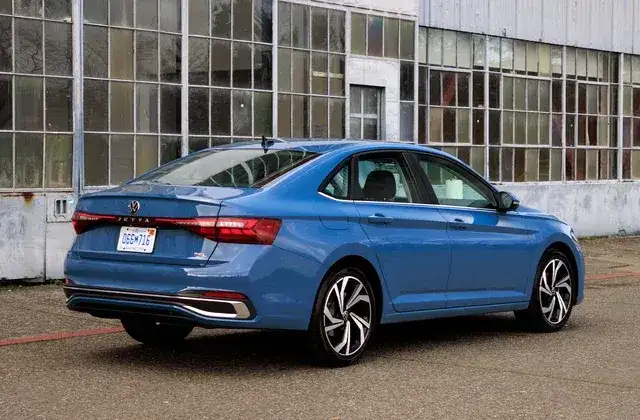
Last summer, a 2021 VW Jetta arrived at our Lodgeville Road service center with severe engine damage at only 42,000 miles after the owner consistently used conventional oil from quick-lube shops instead of the required full synthetic. Despite following a proper 5,000-mile change interval, the conventional oil couldn’t protect the turbocharged engine’s high-temperature operation, causing sludge buildup, turbocharger damage, and eventually bearing failure. The engine required complete replacement at $8,200. Volkswagen denied warranty coverage because service records showed improper oil use. The cost difference between conventional and synthetic oil changes over those 42,000 miles? Approximately $360 total.
Many Clarksburg area Jetta owners don’t understand that modern VW engines require full synthetic oil—this isn’t optional or a premium upgrade. The turbocharged engines in current Jetta models generate extreme temperatures and pressures that conventional oil simply cannot handle. Using the wrong oil, even if changed frequently, causes accelerated wear and eventual engine failure that voids warranty coverage.
Understanding why VW requires synthetic oil, what specifications matter, and why cheaper alternatives cost more in the long run protects your Jetta investment and ensures reliable performance. The price difference between conventional and synthetic oil changes is minimal compared to the catastrophic engine damage that results from using the wrong oil.
If you own a VW Jetta in the Bridgeport area, see advertisements for “$19.99 oil changes” at quick-lube shops, or wonder whether synthetic oil is really necessary, understanding these requirements prevents the expensive engine failures we see regularly from improper oil use.
Why VW Requires Full Synthetic Oil
Modern Volkswagen engines have specific design characteristics that demand synthetic oil protection.
Turbocharged Engine Operation
The Jetta’s 1.5-liter turbocharged engine generates significant heat through turbocharger operation. The turbo spins at speeds exceeding 100,000 RPM while operating at temperatures reaching 1,200-1,400 degrees Fahrenheit.
Turbocharger lubrication depends entirely on engine oil. The turbo’s bearings require oil that maintains proper viscosity and lubrication properties at extreme temperatures. Conventional oil breaks down rapidly under these conditions, causing turbo bearing wear and eventual failure.
Turbocharger failure costs range from $1,800-2,800 for replacement. This expense dramatically exceeds any savings from cheaper conventional oil.
Direct Injection System
The Jetta uses direct fuel injection that sprays fuel directly into the combustion chamber at extremely high pressures. This creates different operating conditions than traditional port injection.
Carbon buildup occurs more readily with direct injection. Synthetic oil’s superior detergent properties help minimize deposits on intake valves and combustion chambers. Conventional oil contributes to accelerated carbon accumulation requiring expensive cleaning services.
Extended Service Intervals
VW designs engines for 10,000-mile oil change intervals when using proper synthetic oil meeting VW specifications. This interval is only safe with synthetic oil’s superior resistance to breakdown and oxidation.
Conventional oil degrades significantly by 5,000-6,000 miles under normal conditions, much sooner under turbocharged engine stress. Using conventional oil at 10,000-mile intervals guarantees accelerated engine wear.
Tight Tolerance Engineering
Modern VW engines use tight internal clearances for improved efficiency. These tight tolerances require oil that maintains proper viscosity across wide temperature ranges—a characteristic synthetic oil provides but conventional oil doesn’t.
Cold starts in West Virginia winters require oil that flows immediately to protect engine components. Synthetic oil’s low-temperature properties provide instant lubrication. Conventional oil thickens significantly in cold weather, delaying lubrication during critical startup moments.
“Using conventional oil in modern VW engines isn’t just inadvisable—it’s guaranteed engine damage,” says David Martinez, Master Technician at our Lodgeville Road location. “We see Jettas regularly with engine problems traced directly to improper oil use. Owners saved $15-20 per oil change using conventional oil or wrong-specification synthetic, then faced $5,000-10,000 in engine repairs that warranty doesn’t cover because they used improper oil. The service records show conventional oil, and VW denies the claim. The proper synthetic oil isn’t expensive—it’s cheap insurance against catastrophic failure.”
VW Oil Specifications Explained
Not all synthetic oils meet VW requirements. Understanding specifications ensures you get the right product.
VW 508.00/509.00 Specification
This is the critical specification for modern VW gasoline engines including the Jetta. Oil must explicitly state it meets VW 508.00 (gasoline engines) or VW 509.00 (diesel engines) on the container.
What the specification means: The oil has passed VW’s rigorous testing for oxidation resistance, deposit control, viscosity retention, and turbocharger protection. Simply being “synthetic” or meeting other industry standards doesn’t guarantee it meets VW requirements.
Common mistake: Owners purchase synthetic oil at retail stores assuming any synthetic oil works. Unless the container specifically states VW 508.00/509.00 approval, it doesn’t meet VW requirements and shouldn’t be used.
Viscosity Requirements
The Jetta requires 0W-20 or 0W-30 viscosity synthetic oil meeting VW specifications. The “0W” indicates the oil’s cold-weather flow properties, critical for West Virginia winter protection.
Why 0W matters: This rating means the oil flows like a 0-weight oil when cold, providing immediate lubrication during cold starts. Higher first numbers (like 5W or 10W) mean thicker cold oil that flows more slowly, delaying protection during startup.
The second number (20 or 30) indicates the oil’s high-temperature viscosity. Both ratings work for the Jetta, though VW may specify one over the other depending on model year.
Industry Certifications Aren’t Enough
Many oils carry API (American Petroleum Institute) or ILSAC (International Lubricant Standardization and Approval Committee) certifications. While these indicate quality, they don’t guarantee the oil meets VW’s specific requirements.
VW 508.00/509.00 approval is more stringent than general industry standards, testing specifically for characteristics VW engines need. Using oil with only API or ILSAC certification but lacking VW approval can cause problems despite the oil being “high quality.”
Synthetic Oil Change Service
Proper synthetic oil service involves more than just draining and refilling.
Complete Service Includes
Oil drain and disposal of old oil according to environmental regulations
OEM-quality oil filter meeting VW specifications. The filter is as critical as the oil—a cheap filter allows contaminants to circulate, damaging the engine.
Proper fill quantity: The 1.5T engine requires approximately 4.7 quarts of oil. Overfilling or underfilling causes problems.
Multi-point inspection during oil changes identifies developing issues before they become expensive failures. This includes checking fluid levels, inspecting for leaks, verifying tire condition, and examining brake system components.
Service interval reset in the vehicle’s computer system so the oil life monitoring works correctly.
Service documentation proving synthetic oil meeting VW specifications was used. This documentation is critical for warranty claims.
Service Interval
VW recommends oil changes every 10,000 miles or 12 months, whichever comes first, when using proper synthetic oil.
Consider shorter intervals under severe service conditions including frequent short trips (under 10 miles), towing, mountain driving, or extreme temperatures. West Virginia’s varied conditions often qualify as severe service, suggesting 7,500-8,000 mile intervals for maximum protection.
The oil life monitoring system in your Jetta calculates service needs based on actual operating conditions and will indicate when service is due.
Cost Comparison
Synthetic oil change meeting VW specifications: $75-95 at VW dealerships Conventional oil change at quick-lube shops: $35-50 Wrong-specification synthetic at quick-lube: $55-70
Apparent savings: Using conventional oil saves approximately $30-40 per change Actual cost: Engine damage from improper oil costs $5,000-10,000 to repair
Over 42,000 miles (the mileage when the Jetta in the opening experienced failure):
- Proper synthetic at 10,000-mile intervals: 4 changes × $85 = $340
- Conventional at 5,000-mile intervals: 8 changes × $45 = $360
The owner actually spent $20 more using conventional oil more frequently, while simultaneously destroying the engine. Proper synthetic would have cost less and prevented all damage.
Quick-Lube Shop Risks
Many quick-lube chains advertise low-cost oil changes, but their practices create significant risks for VW owners.
Wrong Oil Usage
Quick-lube shops typically stock bulk conventional oil and may use it regardless of your vehicle’s requirements. Even if they offer synthetic, they often don’t stock oil meeting VW 508.00/509.00 specifications.
“Close enough” isn’t good enough. A quick-lube technician might say “this synthetic oil is fine” when it doesn’t meet VW requirements. The difference between “good synthetic oil” and “VW-specification synthetic oil” is the difference between engine protection and engine failure.
Improper Procedures
Filter quality at quick-lube shops often involves the cheapest available filters, not OEM-quality filters meeting VW specifications.
Fill quantity mistakes happen when technicians unfamiliar with VW vehicles guess at the proper amount. Overfilling causes excessive crankcase pressure and oil consumption. Underfilling causes inadequate lubrication.
Drain plug damage from overtightening or using impact tools can strip the oil pan threads, requiring expensive pan replacement.
Service documentation from quick-lube shops often lacks detail about oil specifications, making warranty claims difficult or impossible.
Warranty Implications
Volkswagen warranty requires proper maintenance using appropriate parts and fluids. While the Magnuson-Moss Warranty Act prevents manufacturers from requiring dealership service, they can require proper parts and fluids meeting specifications.
Service records showing conventional oil or wrong-specification synthetic provide VW with grounds to deny warranty claims for engine problems. The quick-lube shop’s “$19.99 special” becomes much more expensive when VW denies your $8,000 engine repair claim.
A software engineer from Morgantown used a national quick-lube chain for oil changes to save money. When their Jetta developed turbo problems at 38,000 miles, VW requested service records. The records showed “synthetic blend” oil not meeting VW specifications. VW denied warranty coverage for the $2,400 turbo replacement because improper oil was used. The owner had “saved” approximately $100 total using quick-lube shops while voiding $2,400 in warranty coverage.
Carbon Buildup and Oil Quality
Direct injection engines face unique maintenance challenges related to oil quality.
How Carbon Accumulates
Direct injection sprays fuel directly into cylinders, bypassing intake valves. This means fuel doesn’t wash over intake valves like in traditional port injection engines.
Oil vapor and blowby gases circulate through the PCV system and coat intake valves. Over time, this creates carbon deposits that restrict airflow and affect engine performance.
High-quality synthetic oil with superior detergent properties minimizes the deposits that form from oil vapor. Conventional oil or poor-quality synthetic contributes to accelerated carbon buildup.
Symptoms of Carbon Buildup
Rough idle that worsens over time Reduced power and sluggish acceleration Increased fuel consumption from restricted airflow Check engine light from misfires or fuel trim issues Hesitation during acceleration
Carbon Cleaning Service
When carbon buildup becomes severe, professional cleaning is necessary. This service costs $380-550 using walnut shell blasting to remove deposits from intake valves.
Prevention through proper oil is far more economical than repeated carbon cleaning services. Using VW-specification synthetic oil significantly extends the interval before carbon cleaning becomes necessary.
Real-World Cost Analysis
Understanding long-term costs shows the value of proper oil.
Five-Year/50,000-Mile Ownership
Using proper VW-specification synthetic oil:
- Oil changes (5 at 10,000-mile intervals): 5 × $85 = $425
- Engine remains in excellent condition
- Turbo functions properly
- No carbon cleaning needed
- Full warranty coverage maintained
- Total cost: $425
Using conventional oil:
- Oil changes (10 at 5,000-mile intervals): 10 × $45 = $450
- Accelerated engine wear begins
- Turbo problems develop around 40,000-50,000 miles
- Carbon buildup requires cleaning at 35,000 miles: $450
- Turbo failure at 45,000 miles (out-of-warranty): $2,400
- Total cost: $3,300
Savings from proper synthetic oil: $2,875 over five years, plus maintained engine reliability and resale value.
What to Tell Your Service Provider
When getting oil changes, ensure proper service by clearly communicating requirements.
Specify: “I need oil meeting Volkswagen 508.00 specification for my turbocharged Jetta.”
Ask to see: The oil container showing VW 508.00 approval before service begins.
Verify: The service invoice lists oil meeting VW specifications and includes the oil filter part number.
Keep records: Maintain all service invoices showing proper oil was used. These records are essential for warranty claims.
Don’t accept substitutions: If the shop doesn’t have proper oil, go elsewhere rather than accepting “close enough” alternatives.
Schedule Your Proper Oil Change Today
That Jetta owner who used conventional oil learned an expensive lesson about the critical importance of proper synthetic oil. After the $8,200 engine replacement that warranty didn’t cover, they now use only VW-specification synthetic oil from certified VW service. They’re at 28,000 miles on the replacement engine with zero problems, but they paid far more than the entire lifetime oil change cost in a single repair that proper oil would have prevented.
Modern Volkswagen turbocharged engines require full synthetic oil meeting VW specifications—this is non-negotiable for engine longevity and warranty coverage. The modest cost of proper synthetic oil represents exceptional value compared to the catastrophic failures that result from improper oil use.
Our certified Volkswagen technicians at 730 Lodgeville Road use only VW-approved synthetic oil meeting 508.00/509.00 specifications, OEM-quality filters, and proper service procedures. We provide detailed service documentation proving proper maintenance for warranty purposes.
Schedule your Jetta synthetic oil change today by calling our service department or booking online at Volkswagen Clarksburg, 730 Lodgeville Rd, Bridgeport, WV 26330. We’ll service your Jetta correctly using proper synthetic oil, ensuring engine protection and maintaining your warranty coverage.
Proper synthetic oil isn’t an expensive upgrade—it’s essential protection for your turbocharged VW engine. That’s the security proper maintenance delivers.
0 comment(s) so far on Oil Change vs. Full Synthetic Oil for Your VW Jetta