


Navigating the WV Hills Safely: How to Use VW Tiptronic® Engine Braking to Save Your Rotors
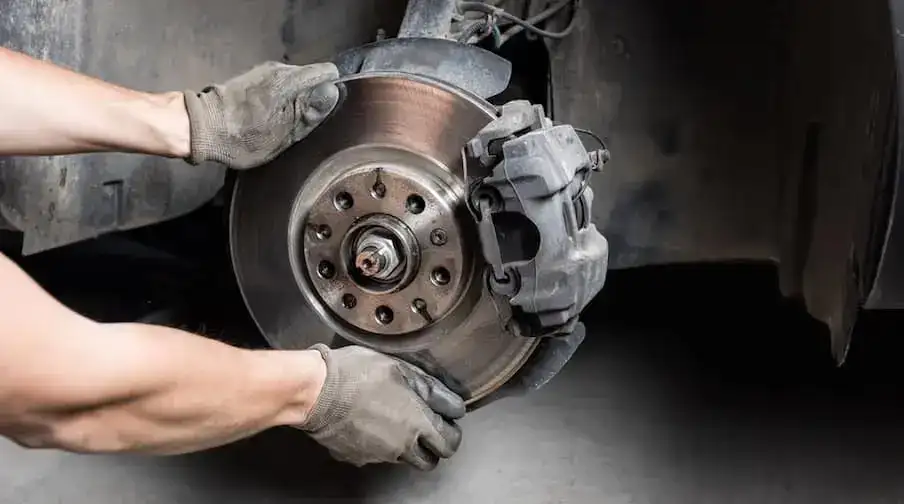
Last month, a 2020 VW Atlas came in with severely warped front rotors and glazed brake pads after a summer of mountain driving around Clarksburg. The owner had been riding the brakes on every descent, never once using the Tiptronic manual mode available on the shifter. After repeated heat cycles on routes like Stealey Road and WV-20, the rotors had warped beyond resurfacing and needed full replacement. New rotors and pads on both axles ran $920. Learning to use Tiptronic engine braking on those same descents? Completely free.
If you drive a Volkswagen with a Tiptronic transmission in and around Clarksburg, you have a tool built into your vehicle that most drivers never use. West Virginia’s terrain is genuinely demanding on brake systems. The grades heading out of Bridgeport toward Weston on US-19, the descents along WV-20 toward Burnsville, and the rolling elevation changes on Stealey Road all create the kind of sustained braking demand that wears rotors and pads far faster than flat-terrain driving ever would. Tiptronic engine braking is the feature that changes that equation entirely.
Most VW owners in the Clarksburg area either do not know Tiptronic manual mode exists or assume it is only for spirited driving. In reality, it is one of the most practical tools for everyday mountain driving in Harrison County, and understanding how to use it correctly protects one of the most consistently expensive maintenance items on any vehicle.
What Tiptronic Is and How It Works
Tiptronic is Volkswagen’s name for the manual gear selection mode built into their automatic transmissions. When you move the shifter into the Tiptronic gate, typically by pushing it to the side or pulling it toward you depending on your model, you take over gear selection from the transmission control module. The transmission still manages clutch engagement smoothly, but you decide when it shifts up or down.
On flat roads, this capability is mostly a driving enjoyment feature. On West Virginia’s grades, it becomes a genuine maintenance and safety tool. When you select a lower gear on a descent, the engine’s internal resistance acts as a braking force, slowing the vehicle without any input from the friction brake system. That means your rotors and pads are handling a fraction of the thermal load they would carry if you were braking conventionally down the same hill.
Which VW Models in the Clarksburg Area Have Tiptronic
Most current and recent VW models sold at Volkswagen Clarksburg include Tiptronic functionality. The Atlas, Tiguan, Jetta, Passat, and Golf variants with automatic transmissions all offer manual gear selection capability. The specific operation varies slightly by model year and transmission type, so if you are unsure whether your vehicle has it or how to engage it, your owner’s manual or a quick conversation with the service team at the dealership will clarify it immediately.
Why West Virginia Roads Are So Hard on Brake Systems 🏔️
Harrison County’s terrain is not gentle on vehicle brake systems under any circumstances. Clarksburg sits in a bowl surrounded by ridgelines, which means virtually every route out of town involves a meaningful climb followed by a meaningful descent. That pattern repeats multiple times on almost any errand or commute, and each descent loads the brake system with heat that needs time to dissipate before the next application.
The core problem with sustained downhill braking is heat accumulation. Brake rotors are designed to absorb and dissipate heat, but they have a thermal capacity limit. When a driver stays on the brakes continuously for a long descent, rotor temperature climbs faster than the rotor can shed heat into the surrounding air. Above a certain temperature threshold, several things happen simultaneously and none of them are good.
Rotor warping occurs when one section of the rotor face gets significantly hotter than another, causing uneven thermal expansion that permanently distorts the rotor surface. Brake fade occurs when the brake fluid absorbs enough heat to begin vaporizing, creating compressible bubbles in the hydraulic system that reduce pedal firmness. Pad glazing occurs when pads overheat and harden into a surface that is less effective at generating friction against the rotor.
Several specific routes around Clarksburg are particularly demanding on brake systems:
- The descent on US-19 southbound from the ridgeline toward Roanoke and onward toward Weston involves extended grades that accumulate significant rotor heat without engine braking assistance
- WV-20 between Clarksburg and Burnsville includes multiple sustained descents where consistent brake application without gear selection is a common pattern among local drivers
- Stealey Road’s rolling terrain near the intersection with Emily Drive generates repeated short braking events that prevent rotors from cooling between applications
How to Use Tiptronic Engine Braking Correctly on WV Grades
Using Tiptronic for engine braking is straightforward once you understand the principle. The goal is to select a gear low enough that the engine’s resistance holds your speed steady on the descent without requiring significant brake pedal input. You should be able to maintain a safe descent speed with your foot off the brake or using only light, intermittent pedal pressure.
Here is a practical approach for Clarksburg-area driving conditions:
- Before starting a known descent: Shift into Tiptronic mode and select a gear two to three steps below your current driving gear. If you are cruising in sixth on US-19, drop to third or fourth before the grade begins rather than waiting until you are already picking up speed.
- During the descent: Let the engine braking hold your speed. If you are still accelerating in the selected gear, drop one more gear. You should feel the engine pulling back against forward momentum without any brake application needed.
- Use brakes for speed adjustment only: If you need to slow for a curve or intersection, brief firm brake application is far better for rotor health than continuous light pressure. Firm and brief generates less sustained heat than prolonged moderate pressure.
- Return to Drive at the bottom: Once the grade levels out, shift back to Drive and let the transmission resume automatic control. There is no benefit to staying in manual mode on flat terrain.
David K. from Bridgeport had been replacing his VW Tiguan’s front brake pads every 18,000 miles due to his daily commute along the grades near Jane Lew and his weekend drives toward Burnsville Lake. After learning to use Tiptronic engine braking consistently on those same routes, his next pad replacement came at 31,000 miles. The habit change cost nothing and extended one of his most frequent maintenance expenses by more than 70%.
Warning Signs Your Brakes Have Already Taken Heat Damage
If you have been navigating WV hills without engine braking, your rotors and pads may already be showing the effects. These are the signs that indicate heat-related brake damage and should prompt a professional inspection before they affect safety.
Steering wheel vibration or pulsing under braking. This is the most common sign of warped rotors. If your steering wheel shudders when you apply the brakes on a descent along US-19 or coming into Bridgeport from the north, the rotor surface is no longer flat and even braking force is no longer possible.
Brake pedal that feels soft or spongy. A pedal that travels further than usual before generating firm braking force suggests brake fluid has absorbed moisture or experienced heat-related vapor intrusion. This symptom is particularly concerning on mountain grades where full braking capacity is most needed.
Squealing that persists after initial morning application. Some brake noise on first use in the morning is normal. Squealing that continues through normal driving and braking is a sign that pads have worn to the wear indicator or that glazing has altered the pad surface.
Burning smell after a descent. A noticeable hot or burning smell from the wheel area after coming down a long grade like WV-20 is a reliable indicator that rotor temperatures have exceeded the safe operating range. Pull over safely and allow the brakes to cool before continuing.
Visible scoring or grooves on the rotor face. If you can see deep grooves or scoring on your rotor surface through the wheel spokes, metal-to-metal contact has already occurred and rotor replacement is necessary regardless of pad thickness.
Brake dust that is heavier on one side than the other. Uneven brake dust accumulation on your wheels often indicates uneven pad wear or a caliper that is not releasing fully, both of which cause localized overheating on the affected corner.
Reduced braking effectiveness on repeated applications. If your Telluride slows confidently on the first brake application of a descent but takes noticeably longer to slow on the second and third, brake fade is occurring and the situation requires immediate action.
What Proper Brake Maintenance Costs Versus What Neglect Costs 💰
Understanding the cost difference between proactive brake care and reactive rotor replacement is the clearest argument for building engine braking into your driving habits on WV grades.
Here is what typical brake service looks like at various stages:
- Brake pad replacement (one axle, pads only): $150 to $220
- Brake pad and rotor replacement (one axle): $350 to $500
- Full four-corner brake service with rotors: $700 to $1,100
- Brake fluid flush to address moisture or heat contamination: $80 to $120
- Caliper replacement if overheating has caused seizure: $250 to $400 per corner
Keeping rotors in good condition through engine braking and timely pad replacement keeps most Clarksburg-area VW owners in the $150 to $220 range per service interval. Warped rotors from sustained heat exposure push that same service into the $700 to $1,100 range and compress the interval significantly.
What Your VW Technician Wants You to Know 🔧
“Engine braking with Tiptronic is genuinely underused around here, and it shows in the brake jobs we do. I see warped rotors on vehicles with relatively low mileage all the time, and when I ask about driving habits, it almost always comes back to the same thing: the driver was on the brakes continuously on every descent rather than using the transmission to manage speed. West Virginia driving is hard on brakes by nature, but Tiptronic takes a lot of that load off the friction system entirely,” says Michael Hartley, Senior Service Technician at the Lodgeville Road location. “The single best thing a Clarksburg-area VW driver can do for their brake budget is learn to shift down before a descent rather than after they are already picking up speed.”
Your 30-Day Brake and Engine Braking Action Plan
This week: Identify the two or three descents you navigate most regularly in your Harrison County driving routine. For most Clarksburg-area drivers that means a route on US-19, WV-20, or Stealey Road. Before your next drive on one of those routes, locate the Tiptronic gate on your shifter and practice engaging it in a flat, low-traffic area so the motion is familiar before you need it on a grade.
Within two weeks: Use Tiptronic engine braking intentionally on at least one of your regular descents and pay attention to how differently the vehicle behaves. You should notice that your speed is controlled without meaningful brake pedal input and that your rotors are generating far less heat by the time you reach the bottom of the grade. Note whether any existing symptoms like pedal pulsing or vibration are present during the drive.
Here is a quick brake health checklist to run through before your service appointment:
- Note any vibration or pulsing felt through the steering wheel or brake pedal during recent drives
- Check for any pulling to one side under braking, which suggests uneven pad wear or a sticking caliper
- Recall whether you have noticed any burning smell after recent descents in the Clarksburg area
- Confirm when your brake pads and rotors were last inspected and at what mileage
By month’s end: Schedule a brake inspection at Volkswagen Clarksburg. If your pads are approaching 4mm or your rotors show signs of heat damage, addressing them now before another season of WV hill driving keeps the repair straightforward and the cost on the lower end of the range. A technician can also walk you through the specific Tiptronic operation for your model year if you want a hands-on demonstration.
Schedule Your Brake Inspection at Volkswagen Clarksburg Today
The Atlas owner who came in with warped rotors after a summer of mountain driving left with a full brake service and a clear understanding of how Tiptronic engine braking works on his regular routes. He has not needed rotor replacement since. The hills around Clarksburg are not going to get any flatter, but the way you navigate them can make a significant difference in what you spend keeping your VW’s brake system in safe working condition.
The certified technicians at Volkswagen Clarksburg have the VW-specific diagnostic tools and local terrain knowledge to assess your brake system accurately and give you honest guidance on what needs attention now versus what can wait. Stop by or schedule your brake inspection online today at 730 Lodgeville Rd, Bridgeport, WV 26330, and head into the next season of WV driving with full confidence in your stopping power.
0 comment(s) so far on Navigating the WV Hills Safely: How to Use VW Tiptronic® Engine Braking to Save Your Rotors