


Mountain Driving & VW Brake Care: How to Prevent Overheating on WV Steep Incline Routes
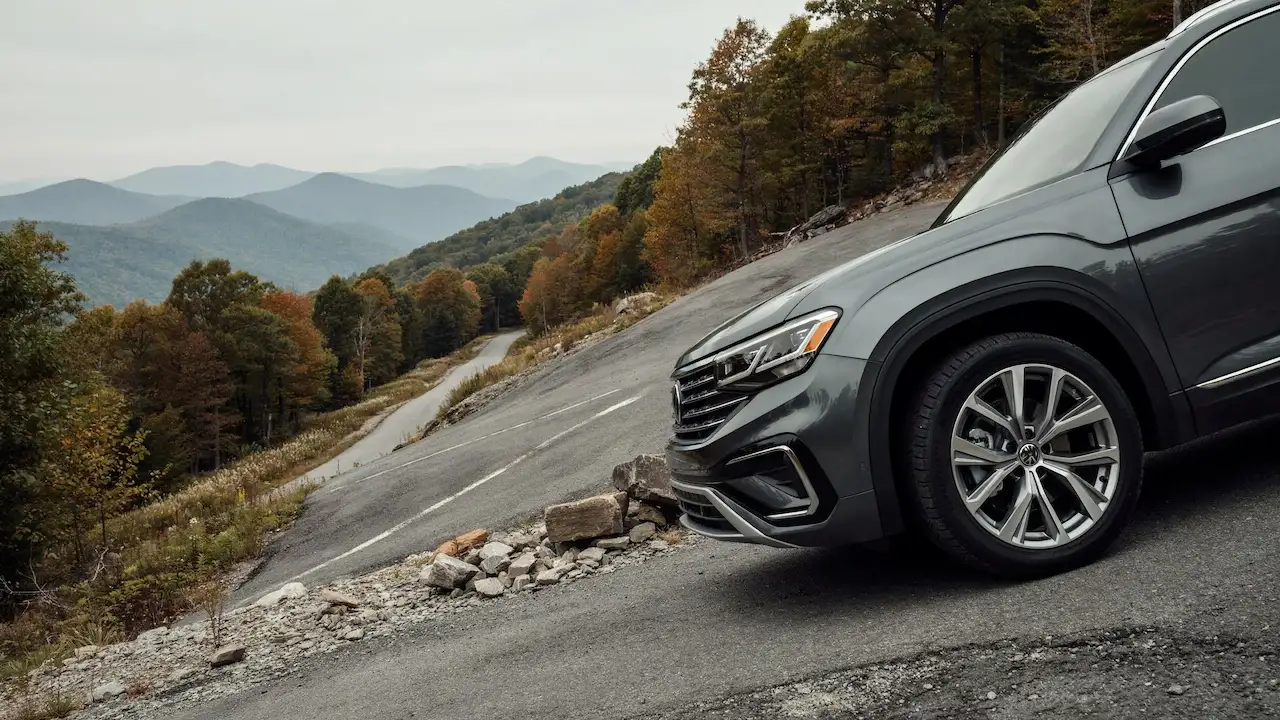
Key Takeaways
- Downshift early: Using engine braking or a lower gear on long descents takes work off your brakes and keeps temperatures in a safe range.
- Brake fluid is a heat component: Old fluid holds moisture, and moisture boils at a lower temperature, which can leave you with a soft pedal at the worst moment.
- Your brakes warn you first: A burning smell, a longer pedal, or vibration on a descent are signals to act, not to ignore.
- Check before you climb: Pads, rotors, fluid, and calipers should be inspected before mountain trips, towing, or winter driving in the hills.
If you have ever ridden the brakes down a long grade on a West Virginia back road and caught a hot, acrid smell coming off the wheels, you already know how fast a routine drive can turn stressful. Around Clarksburg, steep terrain is part of everyday life, and the descent is far harder on a vehicle than the climb. A brake inspection and fluid service costs a small fraction of what you will pay for warped rotors, scorched pads, and a seized caliper, and none of it compares to the cost of brakes that fade when you need them most. The good news is that overheating is largely preventable with a few smart driving habits and the right maintenance at the right time.
Why Steep Grades Punish Your Brakes
Every time you slow your Volkswagen, the braking system converts the vehicle’s motion into heat. On flat ground, that heat has plenty of time to dissipate between stops. On a long downhill grade, gravity keeps pushing the vehicle forward while you keep asking the brakes to resist it, so heat builds faster than the system can shed it.
Weight makes the problem worse. A Volkswagen Atlas loaded with passengers and gear, a Tiguan carrying a weekend’s worth of luggage, or an ID.4 with its heavy battery pack all carry significant momentum into a descent. Add a trailer or a roof box, and the brakes are managing even more energy. Rotors and pads can reach temperatures where friction material begins to lose its grip, and that is the beginning of brake fade.
West Virginia Routes That Test Your Brakes
Drivers in and around Clarksburg and Bridgeport do not have to travel far to find real grades. The long descents along US-50, the winding stretches of US-33 toward Elkins and the Allegheny Mountains, the climbs and drops on Corridor H, and the mountain approaches to destinations like Canaan Valley and Snowshoe all ask a lot of a braking system. Heading north, the grades on I-79 and I-68 near Morgantown and Coopers Rock add more sustained downhill sections, and even steep residential streets in town can stack up hard stops over a day of errands.
Weather adds another layer. Wet leaves in autumn, rain-slick pavement in spring, and snow, ice, and road treatment in winter all change how much confidence you can place in your tires and brakes. Before heading into the hills during bad weather, it is smart to check current road conditions through West Virginia 511 so you know what grades and surfaces you will face.
How Brake Overheating Actually Happens
Overheating does not come from just one failure. It usually shows up in three ways, and they often feed each other.
Pad fade happens when the friction material gets so hot that it releases gases and loses some of its ability to grip the rotor. The pedal may feel firm, but the car does not slow the way it should. Fluid fade is more serious. Brake fluid absorbs moisture over time, and water lowers the fluid’s boiling point. When hot calipers heat that fluid enough, vapor bubbles form in the lines, and since vapor compresses, the pedal can sink toward the floor. Rotor stress is the third piece. Extreme heat followed by sudden cooling, such as driving through a deep puddle after a long descent, can cause uneven wear and a pulsing pedal.
Because fluid condition plays such a big role, Volkswagen builds a regular brake fluid replacement into its maintenance schedule, typically on a time basis rather than a mileage basis. Your owner’s manual and service advisor can confirm the right interval for your specific model. You can also review what is included in a scheduled visit through the Volkswagen Clarksburg service center.
Warning Signs Your Brakes Are Running Too Hot
Your Volkswagen usually gives you clues before a brake problem becomes a safety problem. Watch for these during or after a mountain descent:
- A sharp, burning odor coming from the wheels, often described as hot metal or burning carpet
- A brake pedal that feels soft, spongy, or travels farther toward the floor than usual
- A vibration or pulsing in the pedal or steering wheel while braking
- Smoke or visible haze from a wheel area
- A longer stopping distance, even when you are pressing firmly
- A brake warning light on the dashboard
If you notice any of these, find a safe place to pull over and let the brakes cool naturally. Do not pour water on hot rotors, since rapid cooling can cause damage. Once the smell and the heat fade, have the system inspected before you continue any steep driving.
Drive Smarter on the Way Down
Technique is the cheapest brake protection there is. The goal on a long grade is to let the drivetrain do some of the slowing so the brakes do not do all of it.
Before you start a long descent, shift into a lower gear. Most automatic Volkswagen models offer a manual shift mode, using the gear selector or paddle shifters where equipped, which lets you hold a lower gear and use engine braking to control speed. On a DSG model, the same approach applies. If you drive an ID.4, the B drive mode increases regenerative braking, which recovers energy and reduces the load on the friction brakes. Keep in mind that regeneration can be limited when the battery is very full or very cold, so do not count on it as your only source of slowing.
Avoid dragging the brakes lightly the whole way down, which keeps heat building without a break. A better pattern is to let the speed build a bit, brake firmly to bring it down, then release and let the brakes cool before repeating. Keep extra following distance, turn off cruise control on steep descents, and leave yourself room so you are not forced into a panic stop with hot brakes. If you tow, make sure the trailer brakes are working and you are within your vehicle’s rated capacity.
Brake Maintenance to Handle Before the Hills
A thorough pre-trip brake check looks at more than just pad thickness. A technician can measure remaining pad material, inspect rotors for heat marks, grooving, or warping, and test the fluid for moisture content. Caliper slide pins should move freely, because a sticky caliper can drag constantly and generate heat even on flat roads. Brake hoses, tires, and wheel bearings round out the picture, since each one affects how the vehicle behaves on a grade.
If your Volkswagen is due for any of these services, you can review recommended work on the Volkswagen Clarksburg maintenance menu. Staying on top of scheduled care also helps you catch small wear items before they become heat-related failures. For drivers who want to plan ahead, the VW Care maintenance plans offer a way to organize routine service.
For general safety information about braking systems and vehicle recalls, the National Highway Traffic Safety Administration is a reliable reference you can check for your model.
What Prevention Costs vs. What Heat Damage Costs
Exact pricing depends on your model, the parts needed, and current labor rates, so treat the following as general ranges and ask for a written estimate before any work begins.
- Brake inspection: Often a modest charge, and sometimes included with other scheduled service, making it the lowest-cost way to catch trouble early.
- Brake fluid service: Typically a low to moderate cost, and one of the most valuable preventive services for mountain drivers.
- Pad replacement: A mid-range repair per axle when caught while there is still healthy friction material and the rotors are in good condition.
- Pads and rotors together: A higher cost per axle, and the usual outcome when overheating has warped or heat-checked the rotors.
- Caliper replacement: A significant added cost per wheel when heat or a stuck slide pin has damaged the caliper, plus the cost of fluid service afterward.
The pattern is easy to see. Small, scheduled services protect the components that are far more expensive to replace together, and they protect something no estimate can price, which is your ability to stop.
Get Your Volkswagen Mountain Ready
West Virginia roads reward careful preparation. Downshift early, brake in firm intervals, watch for the early warning signs, and keep fluid and friction components in good condition. If it has been a while since your brakes were checked, or you are planning a trip to the mountains, now is the time to have them looked at. You can book a visit through Schedule Service and let the team at Volkswagen Clarksburg, located at 730 Lodgeville Rd, Bridgeport, WV 26330, United States inspect your brakes and recommend what your Volkswagen needs to handle the next steep grade with confidence.
0 comment(s) so far on Mountain Driving & VW Brake Care: How to Prevent Overheating on WV Steep Incline Routes