


Maintaining VW Exhaust Gas Recirculation (EGR) & DPF Systems on TDI & TSI Models in WV Terrain
Key Takeaways
- Know which system your engine has: Diesel TDI models use both an EGR system and a diesel particulate filter, while gasoline TSI engines have their own emissions and carbon buildup concerns that differ by model.
- DPFs need sustained driving to clean themselves: Short trips around Clarksburg and Bridgeport can prevent the filter from completing its self-cleaning cycle.
- Fluids and fuel matter: The correct VW-approved engine oil and quality fuel protect emissions components from premature clogging.
- Respond to warning lights early: A dash message, rough idle, or loss of power is far cheaper to diagnose now than after a filter or valve fails.
West Virginia drivers ask a lot of their Volkswagens. Steep grades, cold mornings, and short hops between errands all shape how an emissions system lives. A scheduled emissions system inspection costs a small fraction of what a clogged diesel particulate filter, a failed EGR valve, or a cleaned and rebuilt intake costs once the symptoms have already set in. Here is what TDI and TSI owners around Harrison County should know to keep these systems healthy.
What the EGR System and DPF Actually Do
Emissions equipment can feel like a mystery, but the basic ideas are simple. The exhaust gas recirculation system, or EGR, routes a measured amount of exhaust back into the intake. That lowers combustion temperatures and reduces nitrogen oxide emissions. The system relies on a valve, passages, and in many engines a cooler, all of which operate in a hot, sooty environment.
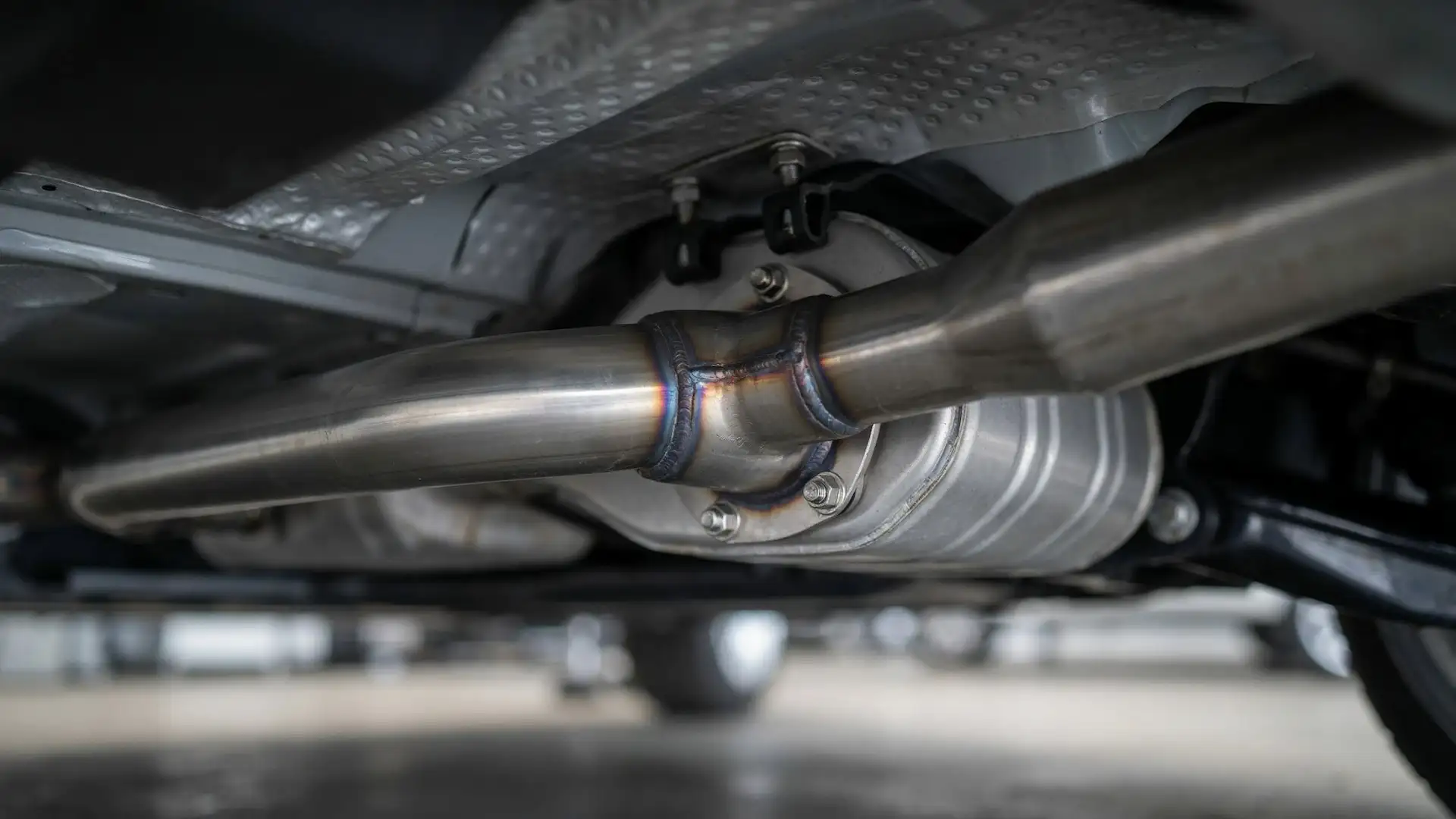
The diesel particulate filter, or DPF, is a ceramic filter in the exhaust that traps soot from diesel combustion. Over time, soot builds up inside it. To clean itself, the vehicle periodically runs a regeneration cycle, raising exhaust temperatures high enough to burn the accumulated soot into fine ash.
These two systems work together. If the EGR valve sticks or the passages clog, combustion changes and more soot reaches the filter. If the filter cannot regenerate fully, backpressure rises and the engine suffers. Keeping both in good condition keeps the whole system balanced.
TDI and TSI: Different Engines, Different Concerns
Volkswagen TDI engines are turbocharged diesels, and the diesel models sold in the United States over the years commonly paired EGR with a DPF. Some later TDI models also added a urea-based system, which uses a separate fluid to reduce emissions further. Your owner’s manual and the vehicle’s equipment list will confirm what your specific model has.
TSI engines are turbocharged gasoline engines with direct fuel injection, and they do not use a diesel particulate filter in the same way. Their emissions systems and EGR design vary by engine and model year, and some TSI engines do not use an external EGR system at all. The concern most associated with direct injection gasoline engines is carbon buildup on the intake valves. Because fuel is sprayed directly into the cylinder rather than over the valves, there is less natural cleaning of those surfaces, and deposits can slowly accumulate.
If you are not certain what your Volkswagen is equipped with, the service team can confirm it from your VIN, which keeps the maintenance plan accurate for your actual engine.
Why West Virginia Driving Matters
Terrain and driving patterns have a real effect on these systems. Many owners in the Clarksburg and Bridgeport area make short trips, such as a few miles to work, school, or the store. For a diesel, that pattern can be hard on the DPF. The filter needs sustained engine load and exhaust heat to regenerate, and short cold trips may not provide it. When a regeneration cycle is repeatedly interrupted, soot keeps accumulating.
West Virginia’s hills offer both a challenge and an advantage. Steady climbs on US-50 or I-79 put load on the engine and raise exhaust temperatures, which can help a DPF regenerate. At the same time, heavy stop-and-go traffic on local roads and long idling periods work against it. Cold winter mornings add another layer, because engines spend more time running rich and cool before reaching normal temperature.
On gasoline TSI models, frequent short trips also mean the engine spends less time at full operating temperature, which can affect how deposits form and how the crankcase ventilation system handles moisture.
Habits That Help Emissions Systems Last
Simple routines make a difference, and they cost little or nothing. The following habits are worth building into your routine.
- Take a sustained highway drive regularly: For diesel owners, a drive of roughly fifteen to twenty minutes at steady highway speed gives the DPF a chance to complete regeneration.
- Do not interrupt a regeneration if you can avoid it: If you notice a higher idle, a fan running after shutoff, or a faint change in exhaust smell, keep driving until the cycle finishes when it is safe to do so.
- Use the correct VW-approved engine oil: DPF-equipped diesels need low-ash oil that meets Volkswagen’s specification, and your owner’s manual lists the required standard.
- Fill up with quality fuel: Reputable stations and the fuel grade recommended in your manual help reduce deposits and keep injectors clean.
- Avoid extended idling: Long idle periods do not generate the load that emissions components need to stay clean.
Warning Signs of a Struggling EGR or DPF
These systems usually give notice before they fail. A diesel particulate filter warning light or message is the clearest sign, and it often appears when soot loading reaches a level that regeneration has not cleared. Other symptoms include reduced power, a car that drops into a limited performance mode, noticeably worse fuel economy, and a rough or unstable idle.
EGR trouble can show up as hesitation when pulling away, a rough idle, stalling at low speed, black smoke, or a check engine light. On direct injection gasoline engines, carbon buildup on the intake valves can cause rough running, misfires on cold starts, and a gradual loss of responsiveness.
If a warning light appears, avoid steep or demanding routes until the vehicle has been inspected, and do not keep repeating short trips hoping it clears. Early diagnosis often means a service visit rather than a major component replacement.
What a Professional Inspection Covers
A technician starts by scanning the engine control module for stored codes and live data, including filter loading, exhaust temperatures, and EGR valve position. The scan helps identify whether the problem is a sensor, a sticking valve, a clogged passage, or genuine soot buildup in the filter.
The inspection may also include a visual check of the EGR valve and cooler, the intake system, vacuum and pressure lines, the turbocharger, and exhaust components. On gasoline engines, the technician evaluates the intake valves and the condition of the crankcase ventilation system. If a cleaning service or software update applies to your vehicle, that can be performed at the same visit.
Your service history matters too. Oil changes on schedule, air filter condition, and fuel quality all influence emissions system health. You can review what your vehicle is due for through the maintenance menu, and many owners prefer the predictability of the Volkswagen Care maintenance plans for routine work. Genuine replacement parts are also available through the Volkswagen Clarksburg parts center.
Staying Informed and Road Ready
Before long trips through the mountains, check current road status on WV511, the state’s traveler information site, so you can avoid closures and heavy delays that leave you idling in the cold. It is also wise to confirm there are no open recalls or emissions-related campaigns on your vehicle by entering your VIN in the NHTSA recall lookup. The check takes about a minute and can save you real trouble later.
The Cost of Prevention Versus Repair
The gap between maintaining emissions systems and repairing them after failure is wide. The ranges below are general and approximate, and they vary by model, year, and what an inspection finds. Always request a written estimate for your specific Volkswagen.
- Diagnostic scan and inspection: Typically a modest cost, and the most affordable way to learn what the system is really doing.
- EGR valve cleaning or replacement: Often a few hundred dollars or more, depending on the engine and how accessible the valve is.
- Intake valve carbon cleaning on direct injection engines: Commonly several hundred dollars, depending on the method and engine.
- DPF cleaning or replacement: Can range from a few hundred dollars for a cleaning service to well over a thousand dollars for a new filter.
- Towing and downtime: A vehicle stuck in limited power mode on a mountain road adds cost and inconvenience on top of the repair itself.
Viewed side by side, preventive care and early diagnosis almost always cost less than waiting for a failure.
Keep Your Volkswagen Breathing Easy
TDI and TSI engines are capable and long lasting when their emissions systems are cared for properly. Give diesels regular highway runs, use the right oil and fuel, and respond promptly when a warning light appears. Small steps now help you avoid larger repairs down the road.
If your Volkswagen has shown a warning light, rough running, or reduced power, or you simply want an emissions system check, the team at Volkswagen Clarksburg, located at 730 Lodgeville Rd, Bridgeport, WV 26330, United States, can diagnose the problem and recommend the right service. You can schedule service online at a time that works for you and keep your Volkswagen running cleanly through every mile of West Virginia terrain.
0 comment(s) so far on Maintaining VW Exhaust Gas Recirculation (EGR) & DPF Systems on TDI & TSI Models in WV Terrain