


Is It Time for a Brake Fluid Flush? Signs VW Drivers Shouldn’t Ignore
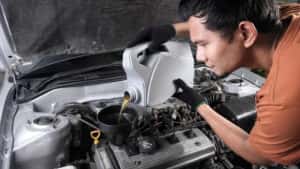
Your Volkswagen’s brake system is a precisely engineered safety mechanism, and brake fluid is its lifeblood. Every time you press the brake pedal, hydraulic pressure transmitted through this fluid brings your vehicle to a controlled stop. Unlike engine oil or coolant, brake fluid operates in an environment of extreme pressure and heat, and its chemical properties directly impact your ability to stop safely.
Here’s what many Clarksburg-area drivers don’t realize: brake fluid doesn’t last forever. It’s hygroscopic, meaning it absorbs moisture from the air over time. As little as three percent water contamination can lower brake fluid’s boiling point by 50 percent or more. When fluid boils under hard braking, it creates vapor bubbles that compress instead of transmitting pressure, resulting in a spongy pedal or complete brake failure.
Whether you’re navigating the hills around Bridgeport, commuting on Route 50, or driving through the winding roads of Harrison County, your brakes work hard every single day. This article will help you recognize when your brake fluid needs replacement, understand why this service protects your safety, and learn how West Virginia’s climate specifically affects your VW’s brake system.
How Brake Fluid Works in Your Volkswagen
Hydraulic Pressure and Heat Management
When you press your brake pedal, a master cylinder pressurizes brake fluid, which travels through brake lines to calipers at each wheel. This hydraulic pressure forces brake pads against rotors, creating friction that converts your vehicle’s kinetic energy into heat. During a single hard stop from highway speeds, your brake rotors can reach temperatures exceeding 600 degrees Fahrenheit.
Your brake fluid must maintain consistent viscosity and chemical stability across temperatures ranging from below freezing to over 400 degrees. Fresh DOT 4 brake fluid (standard in most Volkswagens) has a dry boiling point around 446 degrees Fahrenheit. However, as the fluid absorbs moisture, that boiling point drops dramatically. At just two percent water content, the boiling point can fall to 311 degrees, well within the range reached during aggressive braking or mountain driving.
The Moisture Problem
Brake fluid begins absorbing atmospheric moisture the moment it’s exposed to air. This happens gradually through microscopic pores in rubber brake hoses, around seal surfaces, and even through the brake fluid reservoir cap’s vent. In West Virginia’s humid climate, this moisture absorption accelerates compared to drier regions.
As water accumulates in your brake system, it doesn’t just lower the boiling point. Water in brake fluid also causes internal corrosion of brake lines, calipers, and the master cylinder. This corrosion creates rust particles that contaminate the fluid, damage seals, and can eventually cause brake component failures. Additionally, water and brake fluid don’t mix uniformly, so pockets of water-contaminated fluid can settle in low points of the brake system, creating localized weak spots.
Critical Warning Signs Your VW Needs a Brake Fluid Flush
Pedal Feel Changes
The most noticeable indication of degraded brake fluid is a change in pedal feel. Fresh brake fluid provides firm, consistent pedal resistance from the moment you apply pressure until the vehicle stops. As fluid degrades, you might notice the pedal feels softer or travels further before engaging the brakes. This sponginess indicates either air in the system (often from moisture-related issues) or fluid that’s lost its proper viscosity.
Another concerning symptom is pedal fade during extended braking. If you’re descending a steep grade and need to brake repeatedly, degraded fluid may begin to boil, creating vapor bubbles. You’ll feel the pedal sink further toward the floor with each application, requiring more pressure to achieve the same braking force. This is a dangerous condition that requires immediate attention.
Visual and Olfactory Clues 🔧
Fresh brake fluid is clear to light amber in color. As it ages and absorbs moisture and contaminants, it darkens to brown or even black. While you can check brake fluid color through the translucent reservoir under your hood, color alone doesn’t tell the complete story. Dark fluid definitely needs replacement, but even relatively clean-looking fluid may have absorbed enough moisture to compromise safety.
A burning smell during or after braking, especially if it’s accompanied by reduced brake effectiveness, can indicate overheated brake fluid or components. This smell is distinct from the normal brake odor after hard stops and suggests your fluid may be reaching its boiling point during normal driving conditions.
Performance Under Stress
Pay special attention to how your brakes perform during demanding situations. If you notice reduced stopping power when descending hills around Salem or Shinnston, your fluid may be heat-saturated. Similarly, if your ABS activates more frequently than normal on routine stops, particularly in wet conditions, degraded fluid could be affecting brake system modulation.
Volkswagens with electronic stability control and advanced driver assistance systems rely on precise brake pressure control. Contaminated or degraded brake fluid can interfere with these systems’ ability to function properly, potentially triggering warning lights or causing the systems to intervene more aggressively than necessary.
Dashboard Warnings and Lights
Modern Volkswagens monitor brake system health through various sensors. A brake warning light accompanied by a low fluid level indicator might suggest a leak, but it can also indicate the fluid has degraded and expanded, causing level fluctuations. Some newer VW models include brake fluid condition monitoring that alerts you when service is due.
If your ABS warning light illuminates alongside the brake warning light, this indicates a more serious brake system concern that requires immediate professional diagnosis. Never ignore brake system warning lights, as they indicate conditions that directly affect your vehicle’s stopping ability.
How West Virginia’s Climate Affects Brake Fluid
Humidity and Moisture Absorption
West Virginia’s humidity levels, particularly during summer months, accelerate brake fluid moisture absorption. The state’s average relative humidity ranges from 60 to 80 percent depending on season and location. This persistent moisture in the air means your brake fluid is constantly exposed to conditions that promote water contamination.
Mountain driving common throughout the region compounds this issue. Steep descents cause repeated brake applications that generate significant heat. When hot brake components cool down, they create negative pressure that can draw moisture-laden air into the system through microscopic gaps in seals and hoses. This thermal cycling accelerates the contamination process.
Temperature Extremes and Seasonal Stress
Winter temperatures in the Bridgeport area can drop below 20 degrees, while summer highs exceed 85 degrees. These temperature swings cause brake fluid and system components to expand and contract. Over time, this cycling can compromise seals and create pathways for moisture infiltration.
Cold weather also affects brake fluid viscosity. Contaminated fluid becomes thicker in freezing temperatures, potentially reducing brake system responsiveness during cold starts. This is particularly concerning on winter mornings when road conditions are already compromised by ice or snow.
Road Conditions and Brake System Demands
West Virginia’s mountainous terrain and winding roads require more frequent braking than flat highway driving. Routes like I-79 through Harrison County include extended grades that keep brake systems under constant thermal stress. Additionally, road salt used during winter months can accelerate corrosion of external brake components, and if moisture enters the system through corroded fittings, it brings salt contamination with it.
Construction zones, potholed roads, and gravel-covered surfaces common in rural areas also impact brake systems. Debris can damage brake lines or create small nicks in protective coatings, creating entry points for moisture and accelerating contamination.
Volkswagen’s Brake Fluid Service Recommendations
Manufacturer Guidelines
Volkswagen recommends brake fluid replacement every two years regardless of mileage for most models. This interval is based on the understanding that moisture absorption occurs over time, not just with use. A vehicle driven 30,000 miles per year and one driven 5,000 miles per year will have similar brake fluid contamination levels after two years because moisture absorption is primarily time-dependent.
Some performance-oriented VW models, like GTI and Golf R variants, may have more frequent service intervals due to higher brake system demands. Always consult your owner’s manual for your specific vehicle’s requirements, and understand that these are minimum recommendations. Severe driving conditions may warrant more frequent service.
What “Severe Service” Really Means
Most Clarksburg-area driving qualifies as severe service, even if it doesn’t feel extreme. Volkswagen defines severe service to include mountainous or hilly terrain, frequent towing, repeated short trips, and exposure to road salt. If any of these conditions apply to your driving, consider brake fluid service every 18 months rather than the standard two-year interval.
Track driving or spirited mountain road driving definitely qualifies as severe service. These conditions generate extreme brake temperatures that rapidly degrade fluid and accelerate moisture contamination. If you occasionally push your VW’s performance limits, more frequent brake fluid changes provide essential protection.
The Brake Fluid Flush Process
What Happens During Professional Service
A proper brake fluid flush involves completely removing old fluid from the entire brake system and replacing it with fresh fluid. Technicians begin by testing the current fluid’s moisture content using a specialized tool that measures water percentage. This provides objective data about fluid condition beyond visual inspection.
The flush process uses pressure or vacuum equipment to force new fluid through the system, starting from the master cylinder and working outward to each wheel. Technicians follow a specific bleeding sequence (typically starting with the wheel furthest from the master cylinder) to ensure all old fluid is removed and no air enters the system. Each brake line is flushed until clean, clear fluid flows through.
During the service, technicians inspect brake lines, hoses, and connections for signs of corrosion, damage, or leaks. They also check brake pad thickness, rotor condition, and caliper operation. This comprehensive inspection catches potential brake system problems before they cause failures.
Why DIY Isn’t Recommended
While changing brake fluid might seem straightforward, modern Volkswagens with ABS, electronic stability control, and brake assist systems have complex hydraulic circuits that require specialized procedures to service properly. Improper bleeding can leave air trapped in ABS modules or control units, causing persistent brake problems.
Professional equipment allows technicians to force fluid through the system under controlled pressure while monitoring for leaks or pressure drops. They also have access to VW-specific service procedures that address unique aspects of each model’s brake system architecture. Using incorrect fluid or improper procedures can damage expensive components and compromise brake safety.
The Real Cost of Brake Fluid Service Versus Neglect 💰
Investment in Safety
A complete brake fluid flush typically costs between $100 and $150, depending on your Volkswagen model and fluid requirements. This service takes approximately one hour and should be performed every two years. Over ten years of ownership, you’re investing $500 to $750 in this essential maintenance.
Compare this to the cost of brake system component failure caused by contaminated fluid. A corroded brake caliper replacement runs $400 to $600 per wheel, including parts and labor. Master cylinder replacement costs $500 to $800. If contaminated fluid damages your ABS module, repairs can exceed $1,500. These failures also leave you without safe braking until repairs are completed.
The Safety Value Equation
Beyond financial considerations, brake fluid service is fundamentally about safety. Your brakes are the most critical safety system on your vehicle. No other system has as direct an impact on your ability to avoid accidents. The question isn’t whether you can afford to maintain your brake fluid; it’s whether you can afford not to.
Consider also the legal liability aspect. If contaminated brake fluid contributes to an accident, particularly one involving injuries, you could face significant legal and financial consequences. Documented brake maintenance demonstrates responsible vehicle ownership and can protect you in liability situations.
Testing Brake Fluid Condition
Modern diagnostic tools can measure brake fluid moisture content with high accuracy. When you bring your VW in for service, technicians can perform this test in minutes. Results show the exact water percentage in your fluid, providing objective data to guide service decisions.
Most experts agree that brake fluid should be replaced when moisture content reaches two percent, well before the three percent level where boiling point degradation becomes dangerous. Some preventive-minded drivers choose to replace fluid at 1.5 percent moisture content, especially if they frequently drive in demanding conditions.
Visual inspection and test strips are also available, though less accurate than electronic testers. If you check your brake fluid reservoir and notice dark, murky fluid, don’t wait for laboratory-grade testing. Dark fluid needs replacement regardless of precise moisture measurements.
“I see VW owners who go three, four, even five years without changing brake fluid because they don’t understand how critical it is,” says Michelle Torres, senior Volkswagen technician at the Lodgeville Road location. “They tell me their brakes feel fine, but when we test the fluid, it’s often at four or five percent water content with a boiling point that’s dangerously low. I’ve had customers come in after experiencing brake fade on mountain roads, and it’s almost always degraded fluid causing the problem. A simple $120 service every two years prevents that scary situation completely.”
Additional Brake System Care Tips ✓
Between scheduled brake fluid services, you can take steps to protect your brake system. Avoid riding your brakes during descents; instead, downshift to use engine braking to control speed. This reduces brake system heat buildup and extends component life while also preventing excessive fluid temperatures.
After driving through deep water, gently apply your brakes several times to dry the brake pads and rotors. Water on brake surfaces reduces friction temporarily, and this light application helps restore normal braking performance. This is particularly important during West Virginia’s frequent rain showers.
Park your Volkswagen on level ground when possible, and avoid leaving the parking brake engaged for extended periods during winter months. Salt and moisture can cause parking brake components to corrode and stick, potentially damaging the rear brake calipers.
Schedule Your Brake Fluid Service Today
Your Volkswagen’s brake system deserves the same attention you give to engine oil changes and tire rotations. Brake fluid service isn’t just recommended maintenance; it’s essential safety care that protects you, your passengers, and everyone else on the road.
Our certified technicians at Volkswagen Clarksburg understand the specific brake system requirements of every VW model. We use only VW-approved brake fluid that meets or exceeds factory specifications, and we follow precise service procedures to ensure your brake system performs flawlessly after service.
Don’t wait for brake problems to develop before addressing fluid condition. Schedule your brake fluid inspection and service today by calling our service department or booking online. We’re conveniently located at 730 Lodgeville Rd, Bridgeport, WV 26330, ready to ensure your brakes deliver the reliable, confident stopping power you depend on.
Investing an hour and $120 today means peace of mind every time you press the brake pedal. That’s the kind of confidence that makes every drive safer and more enjoyable.
0 comment(s) so far on Is It Time for a Brake Fluid Flush? Signs VW Drivers Shouldn’t Ignore