


How Mountain Roads Affect Your VW Suspension – Clarksburg Driver’s Guide
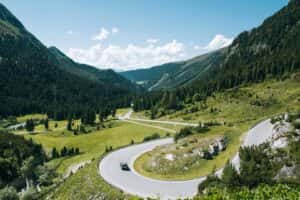
Driving in and around Clarksburg means navigating terrain that most of America never experiences. Whether you’re climbing the hills around Harrison County, winding through mountain roads on Route 50, or handling the elevation changes on I-79, your Volkswagen’s suspension faces challenges that flat-land vehicles simply don’t encounter. These aren’t just gentle slopes, they’re genuine mountain grades with steep inclines, sharp curves, and road surfaces that constantly shift and settle.
Your VW’s suspension is engineered for excellent handling and comfort, but West Virginia’s mountainous terrain places demands on suspension components that accelerate wear compared to vehicles driven primarily on flat highways. The constant compression and extension as you navigate hills, the lateral forces during mountain curves, and the impact from frost-heaved and settling roads all stress suspension parts in ways that require specific attention.
The challenge is that suspension problems develop gradually. You adapt to subtle changes in handling or ride quality without realizing components are wearing. By the time symptoms become obvious, like clunking noises or pulling to one side, the worn parts might have caused additional damage or created safety concerns that could have been avoided with earlier attention.
Understanding how mountain driving affects your Volkswagen’s suspension, recognizing warning signs of problems, and following appropriate maintenance schedules ensures your vehicle continues handling safely and comfortably on the demanding roads that define driving in this region.
How Mountain Terrain Stresses Suspension Components
To appreciate why mountain roads are so demanding, it helps to understand what your suspension does and how West Virginia terrain challenges it.
Constant Elevation Changes
Every time you drive up or down a hill, your suspension compresses and extends to keep your wheels in contact with the road surface. On flat terrain, suspension movement is minimal except when hitting bumps. On mountain roads, the suspension works constantly, cycling through its travel far more frequently than on level ground.
This continuous movement wears bushings, stresses springs, and works shock absorbers harder than they’d experience elsewhere. A Volkswagen driven 50,000 miles around Clarksburg experiences more suspension cycles than the same vehicle driven 75,000 miles in Kansas.
Lateral Forces on Curves 🛣️
Mountain roads mean curves, often sharp ones. When you navigate a curve, particularly at speed, lateral forces push the vehicle sideways. The suspension resists this roll, with outside suspension components bearing increased load while inside components unload.
Steering and suspension components experience side loads they wouldn’t see on straight highways. Ball joints, tie rod ends, and control arm bushings all work against these lateral forces repeatedly, accelerating wear.
Weight Transfer During Braking and Acceleration
Climbing steep grades means frequent acceleration and engine braking. Descending requires constant brake application. This creates forward and rearward weight transfer that loads suspension components differently than steady-speed driving.
The front suspension bears extra load during braking on descents, while the rear suspension is stressed during acceleration up grades. This constant weight shifting accelerates wear throughout the entire suspension system.
Road Surface Challenges
West Virginia roads face constant challenges from freeze-thaw cycles, ground settling, and the simple reality of maintaining pavement on hillsides. Frost heaves, potholes, cracking, and uneven surfaces are more common on mountain roads than on flat terrain.
These imperfect surfaces mean your suspension absorbs more impacts and must work harder to maintain wheel contact and vehicle control. Each pothole, frost heave, or pavement crack creates an impact that stresses suspension components.
Five Warning Signs Your Suspension Needs Attention
Your Volkswagen communicates suspension problems through distinct symptoms. Recognizing these signs early prevents minor issues from becoming major repairs and maintains safety.
- Clunking or Knocking Noises
Sounds from the suspension when going over bumps, turning, or during acceleration typically indicate worn or loose components. Ball joints, control arm bushings, or sway bar links that have excessive wear develop play that creates these noises.
In mountain driving, these sounds might be more noticeable because the suspension works harder and cycles more frequently. If you hear clunking from the front end when navigating curves or hitting bumps, suspension inspection is needed.
- Vehicle Pulls or Wanders
If your VW pulls to one side or requires constant steering corrections to maintain straight travel, suspension problems might be the cause. Worn ball joints, bad tie rod ends, or collapsed control arm bushings affect alignment and steering response.
This symptom is particularly dangerous on mountain roads where you need precise control during curves and hill navigation. What might be annoying on flat highways becomes a safety issue on winding mountain routes.
- Uneven Tire Wear
Suspension problems often show up as unusual tire wear patterns. Inspect your tires regularly for wear on one edge, feathering, or cupping patterns. These indicate suspension or alignment issues affecting how the tire contacts the road.
Mountain driving already accelerates tire wear due to constant turning and elevation changes. Add suspension problems to that, and tire life can be cut dramatically short.
- Harsh or Bouncy Ride 🚗
Worn shock absorbers or struts don’t control suspension movement effectively, leading to a bouncy ride or harsh impacts from bumps that should be absorbed smoothly. If your VW feels less comfortable than it used to, particularly over rough roads, shock or strut replacement is likely needed.
Mountain roads reveal shock and strut problems more obviously than flat terrain because the suspension works constantly. What might be barely noticeable on highways becomes obvious when navigating hills.
- Excessive Body Roll in Turns
If your Volkswagen leans more than usual during turns, or if you notice increased body roll on curves you navigate regularly, sway bar components or bushings might be worn. This affects both comfort and handling safety, particularly on sharp mountain curves.
Harrison County Driving Conditions and Suspension Impact
Clarksburg’s location and the surrounding terrain create specific suspension challenges that drivers in flatter regions don’t face.
Route 50 and Mountain Highways
Route 50 through Harrison County involves genuine mountain driving with sustained grades, curves, and elevation changes. I-79 also features significant hills and grades, particularly north and south of Clarksburg. These routes demand constant suspension work that accelerates component wear.
If your daily commute involves these roads, your suspension experiences more stress than the average vehicle. This might warrant more frequent inspections and earlier replacement of wear items.
Seasonal Road Damage
West Virginia’s freeze-thaw cycles are brutal on roads. Water seeps into pavement cracks, freezes and expands, then thaws and contracts. This process creates potholes and frost heaves that appear seemingly overnight after temperature fluctuations.
Spring is particularly challenging as winter damage becomes apparent. The combination of potholes and frost-damaged roads means suspension components absorb tremendous impacts that can damage parts or accelerate existing wear.
Rural and Secondary Roads 🛤️
Harrison County includes many rural and secondary roads with less maintenance than major highways. These roads often have rougher surfaces, more potholes, and greater settling issues. If you regularly travel these routes, your suspension faces even more demanding conditions.
Heavy Loads and Towing
Mountain terrain makes towing or carrying heavy loads more demanding on suspension. The constant elevation changes and grades mean the suspension works harder when loaded. If you regularly tow or haul, suspension components wear faster than in vehicles used only for commuting.
Essential Suspension Maintenance for Mountain Driving
Mountain terrain demands specific attention to suspension maintenance intervals and component condition.
More Frequent Inspections
While many manufacturers recommend suspension inspection during tire rotation or annually, mountain driving suggests more frequent checks. Have your suspension inspected every 10,000-12,000 miles or twice annually if you regularly navigate mountain roads.
Technicians check ball joints for play, inspect bushings for cracking or deterioration, verify shock and strut operation, and examine all suspension components for wear or damage. Early detection of wear prevents component failure and potential safety issues.
Shock and Strut Replacement
Shocks and struts gradually lose their ability to control suspension movement. Most manufacturers suggest replacement around 50,000-70,000 miles, but mountain driving might require replacement closer to 40,000-50,000 miles.
Worn shocks and struts don’t just affect comfort, they reduce vehicle control and increase stopping distances. On mountain roads where you need maximum control, worn shocks create real safety concerns.
Bushings and Mounts 🔧
Rubber bushings in control arms, sway bars, and other suspension components deteriorate from constant flexing, particularly in the demanding conditions of mountain driving. These bushings should be inspected regularly and replaced when they show cracking, tearing, or excessive movement.
Worn bushings affect alignment, create noise, and reduce handling precision. Replacement restores proper suspension geometry and handling response.
Alignment Service
Mountain driving, particularly on rough roads with frequent potholes, knocks alignment out of specification more often than flat-terrain driving. Have alignment checked annually or after hitting significant potholes or curbs.
Proper alignment ensures tires wear evenly, your VW tracks straight, and handling remains predictable. Misalignment accelerates tire wear and affects fuel economy, both more critical when navigating hills.
Steering Component Inspection
Tie rod ends, ball joints, and other steering components connect to the suspension and experience the same demanding conditions. These components develop wear that affects steering response and safety.
Loose or worn steering components are particularly dangerous on mountain roads where precise control is essential. Regular inspection catches wear before it becomes a safety issue.
What Happens During Suspension Inspection
Understanding what technicians look for during suspension inspection helps you appreciate the value this service provides.
Visual Inspection
Technicians examine all visible suspension components for damage, leaks, or obvious wear. They look for leaking shocks or struts, cracked or torn bushings, damaged boots on ball joints, and any signs of impact damage.
Play Testing
Using proper tools and techniques, technicians test for play in ball joints, tie rod ends, and wheel bearings. Excessive play indicates wear requiring replacement. This testing requires experience to distinguish normal clearance from excessive wear.
Shock and Strut Testing
Shock and strut condition is evaluated through bounce testing and inspection for leaks. Weak shocks allow excessive bouncing after the test. Leaking shocks have visible fluid on the shock body, indicating seal failure.
Bushing Examination
All rubber bushings are inspected for cracks, tears, or deterioration. Bushings showing these signs need replacement even if they haven’t completely failed. Preventive replacement is less expensive than dealing with failure.
Alignment Check
Suspension inspection should include alignment verification. Even if alignment is within specification, comparing current measurements to previous records shows whether settings are drifting, indicating possible suspension component wear.
Cost of Prevention vs. Repair
Suspension maintenance is cost-effective compared to neglecting these systems until failure or dealing with consequences of worn components.
Regular Maintenance Costs
Suspension inspection typically costs little or nothing when performed during other services like tire rotation. Shock or strut replacement costs $400-800 per axle depending on vehicle model. Control arm bushing replacement might cost $200-400. Alignment service runs $100-150.
These preventive costs seem significant until compared to consequences of neglect.
Costs of Neglect
Driving on worn suspension damages tires, potentially costing $600-1,000 for a set. Worn suspension components accelerate wear on other suspension parts, multiplying repair costs. Failed suspension components can cause loss of control, potentially resulting in accidents with far higher costs.
Worn suspension also affects fuel economy. The decreased efficiency from poor alignment and increased rolling resistance costs money in additional fuel consumption over time.
Local Expert Perspective
“Mountain driving is genuinely hard on suspensions,” says Tom Crawford, master technician at the Lodgeville Road location. “We see suspension wear patterns here that technicians in flat states wouldn’t recognize because they’re not common there. Control arm bushings tear from constant lateral loading on curves. Shocks wear out faster from continuous compression and extension. It’s just reality when you’re navigating these hills every day.”
He continues, “The other thing is people don’t realize how dangerous worn suspension is on mountain roads. That ball joint with a little play? It might not seem urgent until you’re halfway through a curve on Route 50 and it lets go. We always tell customers that suspension maintenance isn’t optional on these roads, it’s safety-critical. The terrain doesn’t forgive worn parts.”
Protecting Your VW on Mountain Roads
Beyond regular maintenance, certain driving habits help minimize suspension stress and extend component life.
Slow Down on Rough Roads
Hitting potholes and rough sections at lower speeds reduces impact forces on suspension components. Even five or ten MPH slower makes a significant difference in the stress each impact creates.
Avoid Overloading
Exceeding your vehicle’s load capacity puts extreme stress on suspension, particularly when navigating hills. Respect load ratings and distribute weight properly when carrying cargo or towing.
Regular Visual Checks 👀
Periodically look under your VW for obvious problems: leaking shocks, damaged bushings, or loose components. Catching obvious issues before they cause symptoms prevents more extensive damage.
Address Issues Promptly
When you notice symptoms like clunking, pulling, or harsh ride, have the suspension inspected promptly. Delaying often allows the problem to worsen and cause additional damage to other components.
Maintaining Safety and Control 🏔️
West Virginia’s mountain terrain creates a driving environment that demands more from suspension systems than most of the country experiences. Your Volkswagen’s suspension works constantly on these roads, managing elevation changes, absorbing impacts, and controlling body movement during curves.
Regular inspection and timely maintenance ensure your suspension continues providing the safety, control, and comfort you need when navigating Harrison County’s demanding roads. The cost of proper suspension care is minimal compared to the value it provides in vehicle control and preventing expensive repairs.
Mountain roads don’t forgive neglected maintenance. The same conditions that make driving here scenic and challenging also reveal suspension problems quickly and dramatically. Professional suspension care keeps your VW handling predictably and safely regardless of terrain.
Schedule Your Suspension Inspection Today ✅
Don’t wait for obvious symptoms to have your Volkswagen’s suspension evaluated. Professional inspection catches developing problems before they affect safety or cause additional damage, and it’s especially important for vehicles regularly driven on mountain terrain.
Whether you’re due for routine inspection, have noticed symptoms that concern you, or simply want peace of mind that your suspension is ready for West Virginia roads, experienced technicians can provide comprehensive evaluation and necessary repairs.
Schedule your suspension inspection today at 730 Lodgeville Rd in Bridgeport, or call to discuss your VW’s specific needs with a service advisor who understands mountain driving demands. Because your Volkswagen deserves suspension maintenance that keeps it handling safely and confidently on every hill and curve these mountains offer.
0 comment(s) so far on How Mountain Roads Affect Your VW Suspension – Clarksburg Driver’s Guide