


How Humidity Affects Your Volkswagen’s Electrical Systems
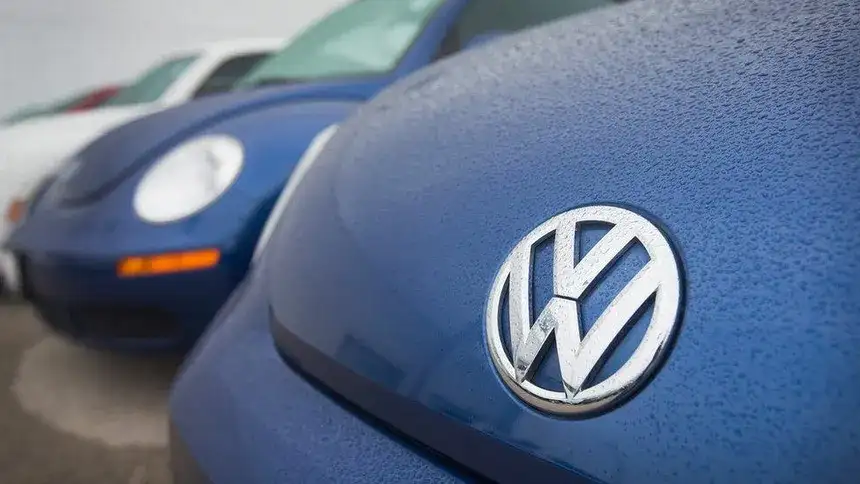
Last month, a Volkswagen Passat came in from Weston after its owner had been experiencing intermittent warning lights for about three months through the winter and early spring. The lights would appear for a day or two and then clear on their own, a pattern he interpreted as sensor glitches that resolved themselves. He kept driving his regular commute on US-33 between Weston and Bridgeport without scheduling a diagnostic appointment. When he finally came in after a particularly persistent round of warnings in April, our technician found corrosion inside two sensor connectors and moisture intrusion in the body control module that had been causing the intermittent faults. The connector cleaning and module inspection at the first warning light appearance in January? $180. The connector replacement, module reconditioning, and full electrical diagnostic required by April? $890.
That three-month pattern of intermittent warnings that clear on their own is one of the most recognizable signatures of humidity-related electrical degradation in a West Virginia VW, and it’s the pattern that costs the most when it’s rationalized rather than investigated. Electrical faults that appear and disappear are not resolving themselves. They’re progressing through a moisture-driven corrosion cycle that produces increasingly persistent and expensive faults the longer the underlying condition is left unaddressed.
Harrison County and the surrounding region sit in a geographic and climatic zone that creates one of the more demanding humidity environments for automotive electrical systems in the Mid-Atlantic region. Morgantown to the north, Clarksburg and Bridgeport in the valley, and the mountain communities along US-50 and US-33 all experience the combination of high relative humidity, significant temperature cycling, and fog events that are specific to West Virginia’s ridge-and-valley topography. That combination affects your Volkswagen’s electrical systems in ways that a VW in a drier climate simply doesn’t experience at the same rate.
This guide covers what humidity specifically does to VW electrical systems, why the Clarksburg and Bridgeport area accelerates the process, which systems are most vulnerable, and what the service conversation looks like before a moisture-related fault becomes a module replacement.
What Humidity Does to Automotive Electrical Systems
Modern Volkswagens are sophisticated electrical platforms. The current Golf, Jetta, Tiguan, Atlas, and ID.4 carry dozens of electronic control modules communicating through a network of sensors, wiring harnesses, and data buses that manage everything from engine fueling and transmission shifting to safety systems, climate control, and infotainment. That sophistication delivers the driving experience and safety technology that defines modern VW ownership. It also means there are significantly more electrical connection points that humidity can affect than existed in vehicles from a decade ago.
Electrical connections fail through corrosion, and corrosion is driven by moisture. When humid air reaches a connector, sensor terminal, or module housing, it introduces an electrolyte layer across the metal contact surfaces. That electrolyte layer allows electrochemical reactions between dissimilar metals in the connector that oxidize the contact surfaces, increase electrical resistance at the connection point, and eventually disrupt the signal integrity that the downstream module depends on.
The failure signature of a corroding connector is intermittency. As the corrosion layer builds, the connection becomes unreliable rather than failed. Vibration during driving temporarily improves or disrupts contact as the connector flexes. Temperature changes affect the corrosion layer’s conductivity. The result is a fault that appears under some conditions and clears under others, exactly the pattern that leads drivers to conclude the problem has resolved when it has actually progressed.
How Temperature Cycling Drives Moisture Into Connections
West Virginia’s temperature cycling, where Bridgeport and Clarksburg temperatures cross the dew point repeatedly through spring and fall, creates a specific mechanism that drives moisture into sealed electrical connections even when those connections appear intact from the outside.
As temperatures drop overnight, the air inside an electrical connector contracts and draws slightly lower pressure relative to the outside. When temperatures rise during the day, warmer humid outside air is drawn inward through any microscopic path available, including imperfect connector seals, wiring harness entry points, and module housing interfaces. The moisture that enters during the warm cycle doesn’t fully exit when the temperature drops again. It accumulates through repeated cycles, depositing a progressive moisture load inside connections that were designed to be sealed but that West Virginia’s humidity and temperature cycling eventually penetrates.
This mechanism is particularly relevant for connectors and modules located near the firewall, in the engine bay near cold-air intake paths, and under the vehicle in areas where morning ground fog in the Bridgeport valley deposits direct moisture on wiring harness sections. 🔧
The Fog Factor Specific to Clarksburg and Bridgeport
The Clarksburg and Bridgeport area experiences a fog frequency that is specific to its ridge-and-valley geography. Cool air draining from the surrounding highlands into the valley overnight creates ground fog conditions that are more frequent and more persistent than what flat-terrain communities at similar latitudes experience. That ground fog deposits direct liquid water on undercarriage components, wiring harnesses routed beneath the vehicle, and the lower sections of the engine bay that are most accessible to rising moisture from the road surface.
For VW owners who park outside in Bridgeport or Clarksburg overnight, the cumulative moisture exposure of a full West Virginia year, from spring fog events to summer humidity to fall temperature cycling and winter salt-and-moisture combination, represents a more aggressive electrical environment than the same vehicle would experience in most other markets.
The Electrical Systems Most Vulnerable to WV Humidity
Not all electrical systems in your VW are equally exposed to humidity-related degradation. Understanding which systems carry the highest vulnerability in West Virginia conditions helps prioritize the service conversation and interpret warning signs accurately.
Oxygen and Exhaust Sensors
The oxygen sensors and NOx sensors in your VW’s exhaust system operate in a hot, thermally cycling environment by design, and they’re generally robust against the heat they’re engineered for. Their vulnerability in West Virginia conditions comes from the connector ends, which are located in the engine bay or under the vehicle where humidity exposure is high and the temperature differential between the hot sensor body and the cooler connector end creates a condensation-prone zone that accelerates connector corrosion.
A degraded oxygen sensor connector produces exactly the intermittent fault signature that humidity-related electrical problems are known for: a fault code that sets and clears, fuel economy that fluctuates without a clear cause, and an engine management system that is periodically running on degraded feedback data without setting a persistent warning light.
ABS and Wheel Speed Sensors
The ABS wheel speed sensors on your VW are located at each wheel hub, one of the most exposed positions on the vehicle for both road salt contact and direct moisture exposure from rain, fog, and splash. The sensor bodies themselves are sealed, but the connector interfaces and the wiring harness runs that lead from each sensor back to the ABS control module are exposed to the full West Virginia moisture environment through every season.
Wheel speed sensor connector corrosion produces ABS warning lights, traction control intervention events that occur on dry roads, and in advanced cases, ABS system deactivation that the driver experiences as a pedal behavior change during emergency braking. Because wheel speed sensors are safety-system components, any ABS warning light in a Bridgeport or Clarksburg VW warrants a diagnostic appointment rather than a wait-and-see approach.
A Tiguan owner from Jane Lew came in last fall after her ABS and traction control lights had been cycling on and off for six weeks through the wet September and October weather. She had been driving a vehicle with intermittently disabled ABS through the early rain season on US-33, a road where reliable ABS function matters. Inspection found corrosion in the right rear wheel speed sensor connector from moisture intrusion through a harness grommet that had developed a hairline crack. Connector replacement and harness re-sealing ran $240. Had the fault been left through winter when salt compound the corrosion, sensor replacement and harness repair would have run $480 to $620.
TPMS Sensors and Battery Degradation
The tire pressure monitoring sensors in your VW’s wheels contain small battery-powered transmitters that report pressure data to the body control module. These sensors are sealed units, but they spend their entire service life inside a tire in an environment of heat cycling, road vibration, and in West Virginia conditions, the moisture that infiltrates around valve stems during wet seasons.
TPMS sensor battery life is typically five to seven years, and West Virginia’s thermal cycling environment sits at the more demanding end of that range. As the sensor battery degrades, transmission reliability decreases before transmission stops entirely, producing intermittent TPMS warnings that clear and reappear in a pattern that mirrors humidity-related connector faults but originates from a different cause. When your VW approaches the five-year mark on its original TPMS sensors, a sensor battery assessment is worth including in the annual service conversation.
Control Modules and the Moisture Intrusion Risk
The body control module, the engine control module, and the various subsystem modules in a modern VW are designed with moisture-resistant housings, but West Virginia’s humidity environment and the temperature cycling mechanism described earlier can penetrate module housings over time, particularly in vehicles that spend significant time exposed to the Bridgeport valley fog conditions or that have experienced any cabin water intrusion from a deteriorated door seal or sunroof drain.
Module moisture intrusion produces the most complex and expensive fault patterns in the VW electrical system because modules that are damaged by moisture don’t always fail completely. They produce intermittent, difficult-to-replicate faults that require extended diagnostic time to isolate, and module reconditioning or replacement on VW platforms requires programming and coding procedures that go beyond parts replacement alone.
The preventive measure for module moisture intrusion is addressing the water pathways before they reach the module: maintaining door and window seals, keeping sunroof drains clear, and addressing any evidence of cabin moisture intrusion promptly rather than treating a wet floor mat as a minor inconvenience. 🔧
Warning Signs Your VW’s Electrical System Has a Humidity Problem
These symptoms in a Clarksburg or Bridgeport VW warrant a diagnostic appointment rather than a monitor-and-wait approach, because the intermittent nature of humidity-driven electrical faults creates a false impression that the situation is manageable when it’s actually progressing.
Warning lights that appear and clear on their own, particularly if the pattern correlates with wet weather, overnight fog events, or temperature changes between morning and afternoon, is the most consistent signature of moisture-driven connector corrosion developing in a sensor circuit.
Intermittent electrical functions, such as a window that operates inconsistently, a sensor that reads correctly on some starts and incorrectly on others, or a safety system that activates on dry roads without a clear cause, all point to connection integrity that has been compromised by corrosion at a connector interface.
Fuel economy fluctuation without a change in driving habits or routes on US-50 or I-79 can indicate an oxygen sensor or mass airflow sensor connector that is providing intermittent rather than continuous accurate data to the engine management system.
A musty or damp smell from the HVAC system that is distinct from normal cabin air filter loading indicates moisture accumulation in the evaporator housing or cabin area that is not draining correctly, a condition that creates both an air quality concern and a risk of moisture reaching cabin-mounted electrical components.
Multiple unrelated warning lights appearing simultaneously is a specific pattern associated with a body control module experiencing moisture intrusion, because the module manages multiple vehicle systems and its degraded function produces faults across several systems at once rather than in a single specific area.
Any electrical fault that was previously diagnosed and repaired returning within a short period deserves a humidity-focused diagnostic approach rather than a simple repeat of the previous repair, because recurring faults in West Virginia conditions often indicate an underlying moisture pathway that wasn’t addressed during the initial service.
The Cost of Addressing Humidity-Related Electrical Faults Early vs. Late
The financial case for acting on early electrical warning signs is particularly clear on VW platforms because module replacement and programming costs are significantly higher than connector-level repairs, and the progression from connector corrosion to module damage is a direct one when the underlying moisture pathway isn’t addressed.
Proactive approach at first warning sign appearance:
- Electrical diagnostic scan and connector inspection: $120 to $180
- Connector cleaning or replacement if corrosion found: $120 to $240
- Harness re-sealing and moisture pathway correction: $80 to $160
- Smart proactive total: $320 to $580
Reactive approach after three to six months of intermittent fault progression:
- Extended diagnostic time for difficult-to-replicate faults: $240 to $360
- Multiple connector replacements after corrosion has spread: $300 to $480
- Body control module reconditioning or replacement with coding: $620 to $980
- Total reactive cost: $1,160 to $1,820
Your savings from acting at the first warning sign: $840 to $1,240. Those figures reflect the actual cost differential our service team at the Lodgeville Road location sees between electrical faults addressed early and those that arrive after months of humidity-driven progression in Harrison County conditions.
“The hardest conversation to have is the one where a customer tells me the light kept coming on and going off for months and they figured it would eventually stay off,” says Brian Kowalski, Lead VW Electrical Technician at the Lodgeville Road location. “In a dry climate that logic sometimes works. In West Virginia, an intermittent electrical fault is almost never getting better on its own. The moisture that caused it is still there. The corrosion is still building. By the time the light stays on permanently, we’re usually past the connector-level fix and into module territory, and that’s a completely different cost conversation.”
Your 30-Day Electrical Health Check Plan
This week: Review any warning lights or electrical behaviors your VW has exhibited over the past three months and note specifically whether they appeared or worsened during wet weather, overnight fog events, or significant temperature changes between morning and afternoon. That correlation is the most useful diagnostic context you can bring to a service appointment, because it shifts the starting point of the diagnostic from a generic fault scan to a humidity-focused connector inspection that is both more efficient and more likely to find the root cause on the first visit.
Within two weeks: Walk around your VW and check the condition of the door seals, window seals, and any sunroof drain outlets if your vehicle is equipped with a sunroof. Press the door seal rubber against the door frame and look for sections that have hardened, cracked, or pulled away from the seal channel. A compromised door or window seal in Bridgeport’s fog and rain environment is a direct moisture pathway toward cabin-mounted electrical components and deserves a seal replacement before the wet season advances further.
By month’s end: Schedule a humidity-focused electrical inspection at our Lodgeville Road location, particularly if your VW has more than four years of West Virginia exposure or has exhibited any of the warning signs described above. Our VW-certified technicians will perform a full fault code scan, inspect the highest-vulnerability connector locations for your specific model, check TPMS sensor function and battery status if the vehicle is approaching the five-year mark, and assess cabin moisture pathways that could be directing water toward module locations. Bundling this inspection with your next scheduled service visit keeps the appointment efficient and ensures your electrical system gets the West Virginia-specific attention it warrants.
These three steps take less than 30 minutes of your actual time outside the service appointment and create a clear picture of where your VW’s electrical system stands before another West Virginia humidity season advances the corrosion cycle further.
West Virginia’s humidity environment is one of the most consistent and least discussed stressors on Volkswagen electrical systems in the Mid-Atlantic region. The faults it produces are intermittent, easy to rationalize, and progressively expensive the longer the underlying moisture pathway remains unaddressed. Understanding that pattern is what separates a diagnostic appointment that costs a few hundred dollars from a module replacement conversation that costs several times more.
Schedule Your Electrical System Inspection Today
The Weston Passat owner from the opening had his connectors replaced, his body control module reconditioned, and his moisture pathways sealed in a single appointment at our Lodgeville Road location. He returned the following January at the first appearance of a new intermittent warning and left with a connector-level repair at a fraction of the cost his previous delay had produced. He has not rationalized an intermittent warning light since.
At Volkswagen Clarksburg, our certified VW technicians perform humidity-focused electrical inspections with the diagnostic equipment, connector-level repair capability, and West Virginia-specific experience that moisture-related electrical faults require. Whether you’re currently experiencing intermittent warning lights, approaching the five-year mark on original sensors and seals, or simply want a proactive electrical health check before the next humidity season advances, we’ll give you an honest assessment and a clear repair plan.
Schedule your electrical system inspection today by contacting our service department or booking online. You’ll find us at 730 Lodgeville Rd, Bridgeport, WV 26330.
Addressing humidity-related electrical concerns early protects the sophisticated electronics that define modern VW ownership, prevents the module-level damage that deferred connector corrosion eventually produces, and ensures every electrical system in your Volkswagen performs reliably through every season of West Virginia driving ahead. That is what proactive electrical care delivers.
0 comment(s) so far on How Humidity Affects Your Volkswagen’s Electrical Systems