


Fall Mountain Drives: DSG Transmission & Clutch Care for West Virginia Elevation Changes
Key Takeaways
- Elevation changes work your DSG harder: Repeated climbs, descents, and stop-and-go traffic on mountain routes create heat that wears on clutches and transmission fluid.
- Fluid service is the foundation: Wet-clutch DSG units depend on fresh fluid and a serviced filter to keep shifts smooth and clutches cooled.
- Driving habits matter: Using the brake on grades instead of feathering the throttle, and downshifting on long descents, reduces clutch heat and brake wear.
- Early signs are worth acting on: Shuddering, harsh shifts, or delayed engagement are easier and less costly to address before they become major repairs.
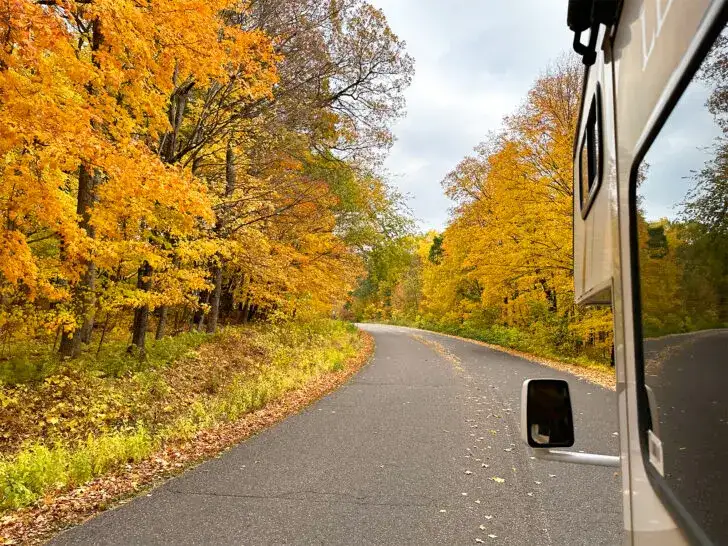
When the maples and oaks along the Allegheny Highlands turn orange and red, a drive out of Clarksburg becomes hard to resist. The roads that make those drives memorable are also the ones that ask the most from your Volkswagen’s transmission, with long grades, tight switchbacks, and sudden changes in elevation. A DSG fluid service and clutch inspection is a planned maintenance visit, while a transmission repair after a season of hard mountain driving can cost many times more and take your car off the road for days. A little care before your next scenic drive keeps your gearbox shifting cleanly all the way to winter.
Why West Virginia’s Elevation Changes Test a DSG
North-central West Virginia doesn’t offer many flat stretches. From the hills around Bridgeport and Clarksburg, a short drive on I-79, US-50, or Corridor H can take you through steep climbs and long descents within a few miles. Head toward the higher ridges near Canaan Valley, Snowshoe, or Spruce Knob, and the elevation gain becomes dramatic, with terrain that climbs well over 4,000 feet.
Every one of those grades puts your drivetrain to work. Climbing demands sustained torque, and descending asks the transmission and brakes to manage the car’s weight. Add fall weather, which can swing from chilly mornings to warm afternoons, and your DSG faces a wide range of temperatures and loads in a single outing. That variety is exactly why routine care matters more here than it would on flat, steady highways.
How Your DSG Works
Volkswagen’s Direct-Shift Gearbox is a dual-clutch automatic. Instead of a traditional torque converter, it uses two clutches, one handling the odd-numbered gears and the other handling the even-numbered gears. While you’re driving in one gear, the transmission has already selected the next one, so the shift happens by swapping clutches in a fraction of a second. That design is what gives the DSG its quick, crisp response and strong efficiency.
Because it relies on clutches rather than a fluid coupling, how the car is driven has a real effect on wear. Wet-clutch designs use transmission fluid to cool and lubricate the clutch packs, which makes the condition of that fluid especially important. If you’re not sure which type of transmission your Volkswagen has, your owner’s manual and a service advisor can confirm it, since not every Volkswagen model uses a DSG.
Fall Mountain Drives Add Heat, Cold, and Grades
Fall in the Mountain State is the season for scenic routes, and the Monongahela National Forest offers plenty of them, including winding roads that climb and dip across the Highlands. These drives often mean long stretches of steady grades followed by tight curves and slow-moving traffic at overlooks, which keeps the transmission changing gears and the clutches cycling.
Temperature swings add another layer. A cold morning start can make shifts feel a bit firmer until the fluid warms up, while an afternoon climb in traffic can push transmission temperatures much higher. Repeated heating and cooling ages fluid faster than casual commuting does. Before you head into higher elevations, it’s also smart to check road and weather conditions on WV511, since fog, early frost, and wet leaves can change how much braking and gear management you’ll need.
DSG Fluid Service: The Foundation of Transmission Care
For wet-clutch DSG models, fluid service is the single most important thing you can do to protect the gearbox. Over time, the fluid breaks down under heat and collects fine clutch material. A scheduled service replaces the fluid and typically the filter, restoring lubrication and cooling for the clutch packs and the mechatronic unit that controls shifting. Your Volkswagen’s maintenance schedule lists the recommended interval, and drivers who spend a lot of time on hills, in heavy traffic, or towing should stay right on schedule rather than stretch it.
You can review what’s included at each service interval in the maintenance menu, which is a handy reference when you’re planning ahead. Using the correct Volkswagen-specified fluid matters as well, since DSG units are built to tight tolerances and rely on a particular fluid formulation. Skipping or delaying service can lead to rough shifting, overheating, and premature clutch wear.
Clutch Care: Driving Habits That Extend Clutch Life
Even with perfect maintenance, how you drive shapes the life of your clutches. The most common habit to avoid is holding the car on an incline by gently pressing the accelerator. Because a DSG has no torque converter, that technique can make the clutch slip while the car is trying to stay in place, which generates heat and wears the friction material. On a hill, use the brake pedal or your Volkswagen’s hill hold feature and let the transmission engage when you’re ready to move.
On long descents, switch to manual mode or use the paddle shifters, if equipped, and select a lower gear so the engine helps control your speed. That reduces the load on your brakes and keeps them cooler for when you need them. In slow traffic, try to leave a little space and roll forward smoothly rather than creeping in constant short bursts, which can heat the clutches. Smooth, deliberate inputs go a long way toward keeping a DSG healthy.
Signs Your DSG or Clutches Need Attention
Your transmission usually gives you warnings before a major problem develops. Pay attention if you notice any of these:
- A shudder or vibration when pulling away from a stop
- Harsh, jerky, or delayed shifts, especially at low speeds
- A hesitation or slip when accelerating up a grade
- Unusual whining, grinding, or clunking noises
- A transmission warning light or message in the instrument cluster
- Difficulty engaging drive or reverse after the car has been sitting
If any of these sound familiar, have the transmission evaluated soon. Diagnosing an issue early often means a simpler fix and a lower repair bill than waiting until the symptoms worsen.
What Affects the Cost of DSG Care
Transmission costs vary, but understanding where the money goes helps you plan ahead:
- Scheduled fluid and filter service: The most affordable and predictable expense, and the one that does the most to prevent larger problems.
- Diagnostic and software checks: A technician can read transmission data, check for stored codes, and review adaptations, which is a modest step compared with major repairs.
- Mechatronic unit or sensor repairs: These control shifting and can become more expensive if problems go unaddressed.
- Clutch pack replacement: The largest expense, and typically the result of heat, wear, or fluid neglect over a long period.
Looking at the list, it’s clear that routine care sits at the small end of the scale. Volkswagen owners who want to spread out routine costs may also want to look at the VW Care maintenance plans available through the dealership.
A Simple Checklist Before Your Next Mountain Drive
A few minutes of preparation makes a noticeable difference. Confirm your DSG service is up to date, and check your other fluids, including engine oil and coolant, since hills raise demands on the entire drivetrain. Look at your brake pads and tire tread, because descending long grades is as hard on brakes as it is on the transmission. Make sure your tire pressures are set for cooler mornings, and plan your route with enough time so you’re not rushing on winding sections. A relaxed pace keeps temperatures down and makes the drive more enjoyable.
Get Your Volkswagen Ready for the Highlands
Fall color season doesn’t last long, and it’s worth enjoying without wondering how your transmission will handle the next climb. If you’d like your DSG fluid, clutch behavior, and overall drivetrain checked before your next trip into the mountains, schedule service with the team at Volkswagen Clarksburg, located at 730 Lodgeville Rd, Bridgeport, WV 26330, United States. A short visit now can help keep your Volkswagen shifting smoothly through every ridge, valley, and switchback this fall.
0 comment(s) so far on Fall Mountain Drives: DSG Transmission & Clutch Care for West Virginia Elevation Changes