


EV Maintenance 101: What’s Different About Servicing the VW ID.4
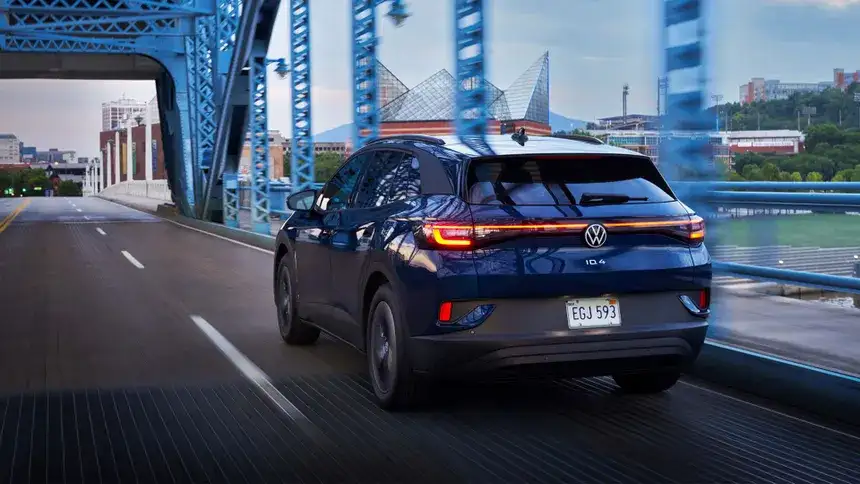
Last month, a 2023 ID.4 owner brought their vehicle in after 28,000 miles asking for an oil change. They’d been driving electric for over a year but still thought like a gas car owner. When we explained electric vehicles don’t have engine oil, they were shocked to realize they’d been ignoring the maintenance their ID.4 actually needed: brake fluid service, cabin filter replacement, and tire rotation. The catch-up service cost $420. Regular maintenance at proper intervals? Would have cost $280 spread across multiple visits with no deferred items.
If you’re driving a VW ID.4 around Bridgeport, you’ve made the switch to electric mobility. No more gas stations, no more oil changes, and significantly lower operating costs than traditional vehicles. The ID.4 offers impressive range, all-wheel drive capability, and the refinement Volkswagen is known for.
But here’s what catches most new EV owners completely off guard: electric vehicles still need maintenance, just very different maintenance than gas-powered cars. Many ID.4 owners assume “less maintenance” means “no maintenance,” which leads to neglected service items that affect safety, efficiency, and long-term reliability.
Understanding what your ID.4 actually needs, what it doesn’t need, and how electric vehicle service differs from traditional cars helps you protect your investment while avoiding unnecessary service and maximizing the benefits of electric driving in West Virginia.
What Your ID.4 Doesn’t Need
The most dramatic difference between your ID.4 and a gas-powered vehicle is everything you no longer have to maintain. Understanding what’s eliminated helps you appreciate the simplicity of electric vehicle ownership.
No engine oil changes because there’s no combustion engine. Your ID.4’s electric motor uses a sealed lubrication system that never requires service. This alone eliminates the most frequent maintenance item that gas car owners deal with every 5,000-10,000 miles. Over 100,000 miles of ownership, you’ll skip approximately 15-20 oil changes that would have cost $1,500-2,500 total.
No spark plugs, timing belts, or ignition system maintenance because electric motors don’t use combustion. There are no spark plugs to replace at 60,000 miles, no timing belt service at 100,000 miles, and no ignition coils or related components to fail. These items represent thousands in maintenance costs over a vehicle’s lifetime that ID.4 owners simply never face.
No transmission fluid services in the traditional sense. Your ID.4 uses a single-speed gear reduction unit instead of a multi-speed transmission. This unit contains gear oil that Volkswagen rates as lifetime under normal conditions, requiring service only in extreme circumstances. You’ll never need the transmission fluid services that traditional automatic transmissions require every 40,000-60,000 miles.
No exhaust system maintenance or emissions testing because there are no emissions. You’ll never need catalytic converter replacement, oxygen sensors, or exhaust component repairs that plague gas vehicles as they age. In states requiring emissions testing, your ID.4 is exempt from these inspections entirely.
“The biggest adjustment for new ID.4 owners is unlearning gas car maintenance habits,” says Michael Torres, EV Specialist at our Lodgeville Road location. “They come in asking for oil changes or wondering about spark plug replacement, and we have to explain those systems don’t exist. But then we find they’ve been ignoring brake fluid service or tire rotations because they think electric means maintenance-free. It’s different maintenance, not no maintenance.”
An ID.4 owner came to us last fall after 35,000 miles of ownership. They’d never had any service performed beyond tire rotations at a tire shop. When we performed their first comprehensive inspection, we found the cabin air filter completely clogged, brake fluid testing at concerning moisture levels, and tires showing uneven wear from lack of proper rotation schedule. The owner genuinely believed electric vehicles needed nothing but tire changes until something broke.
Their situation breakdown:
- 35,000 miles with no proper EV maintenance
- Cabin air filter reducing HVAC efficiency by 40%
- Brake fluid moisture compromising braking performance
- Uneven tire wear shortening tire life by 15,000+ miles
- Comprehensive catch-up service: $520
- Premature tire replacement: needed 10,000 miles early ($800 loss)
What proper EV maintenance costs:
- Regular service at recommended intervals: $280 over same period
- Maximum tire life achieved: full value from tire investment
- Smart total: $280 prevents $1,320 in consequences
What Your ID.4 Actually Needs
While electric vehicles eliminate most traditional maintenance, they still have critical service items that require attention. Understanding these items and their intervals ensures your ID.4 remains safe, efficient, and reliable for years.
Tire rotation and inspection every 7,500 miles is more critical on electric vehicles than gas cars. The instant torque from electric motors creates different wear patterns than gradual combustion engine acceleration. The significant battery weight also affects how tires wear. Regular rotation extends tire life and maintains optimal efficiency, which directly affects your driving range.
Your ID.4’s tires also affect energy consumption more than gas car tires affect fuel economy. Underinflated or worn tires reduce range noticeably. Maintaining proper tire pressure and rotating regularly maximizes the miles you get per charge. We recommend checking tire pressure monthly, as West Virginia’s temperature swings cause significant pressure variations.
Brake system inspection and fluid service remain essential despite regenerative braking reducing brake wear. Your ID.4 uses regenerative braking for most stopping, which means the friction brakes see less use than traditional vehicles. This sounds positive but creates unique maintenance considerations.
The brake fluid still absorbs moisture over time even when brakes aren’t used heavily. This moisture accumulation lowers brake fluid boiling point and can cause corrosion in brake components. Volkswagen specifies brake fluid testing every 20,000 miles and replacement every two years regardless of mileage. Many ID.4 owners skip this service because their brakes “feel fine,” not realizing the fluid degrades with age regardless of use.
The brake pads and rotors last significantly longer than gas vehicles, often exceeding 100,000 miles. However, they still need inspection to verify they’re not developing rust from insufficient use. Light surface rust from regenerative braking doing most of the work is normal, but excessive rust indicates the need for occasional moderate brake application to keep components functioning properly.
Cabin air filter replacement every 20,000 miles maintains HVAC efficiency and air quality. Electric vehicles rely entirely on electric heating and cooling, and a clogged filter forces these systems to work harder, consuming battery power that reduces your driving range. In West Virginia, where spring pollen and summer humidity affect air quality, this filter clogs faster than in drier climates.
The cabin air filter also affects how quickly your windshield defrosts in winter and how effectively the air conditioning cools in summer. Reduced HVAC efficiency means using more battery power for climate control, which directly reduces the miles available for driving. A $45 filter replacement can restore 3-5 miles of range lost to HVAC inefficiency.
Battery cooling system inspection ensures your high-voltage battery maintains optimal temperature during charging and driving. The ID.4 uses liquid cooling to keep the battery pack at ideal temperature, which affects both performance and longevity. This cooling system uses coolant that requires inspection at regular intervals to verify proper level and condition.
West Virginia’s temperature extremes create stress on battery thermal management. Summer heat requires aggressive cooling during fast charging, while winter cold demands battery heating before charging for optimal acceptance rates. The cooling system inspection, typically performed at 20,000-mile intervals, verifies that all components function correctly and coolant maintains proper protective properties.
Software updates are a new maintenance category that didn’t exist with traditional vehicles. Volkswagen regularly releases over-the-air updates that improve charging performance, refine regenerative braking behavior, enhance battery management, and occasionally add new features. Your ID.4 downloads many updates automatically, but some require installation at a dealership using specialized equipment.
During service visits, technicians verify your ID.4 is running current software versions and can install updates that weren’t delivered over-the-air. These updates often address minor issues, improve efficiency, or enhance system reliability. Skipping them means missing improvements that make your ownership experience better.
Understanding Regenerative Braking Maintenance
Your ID.4’s regenerative braking system is one of its most significant features, both for efficiency and for how it changes maintenance requirements. Understanding how this affects your brake system helps you maintain it properly.
Regenerative braking converts your vehicle’s momentum back into electricity that recharges the battery, rather than converting that energy to heat through friction brakes. This recovers energy that would otherwise be wasted and significantly extends brake component life. Most ID.4 driving uses little to no friction braking at all.
However, this reduced brake use creates a maintenance consideration many owners don’t anticipate. Brake components that sit unused for extended periods can develop surface rust on rotors and sticking issues in calipers. This isn’t damage from wear. It’s deterioration from insufficient use.
A Forester owner who switched to an ID.4 came to us last spring after noticing grinding sounds during the rare occasions when they used heavy braking. During inspection, we found the brake rotors had developed significant surface rust from six months of primarily regenerative braking use. The rotors weren’t worn out. They were underused. We recommended occasional moderate brake applications during highway driving to keep components clean and functioning.
His situation:
- 18,000 miles with minimal friction brake use
- Surface rust on all four rotors from insufficient use
- Grinding sensation during emergency braking situations
- Rotor resurfacing service: $280
- Prevention: Monthly highway brake applications (no cost)
This doesn’t mean regenerative braking is problematic. It means understanding that occasionally using your friction brakes keeps the components healthy. On highway drives, switching to lower regenerative braking settings and using moderate brake pedal application maintains brake system health without affecting efficiency significantly.
Cold Weather Effects on Your ID.4
West Virginia winters create specific considerations for electric vehicle maintenance and operation. Understanding these effects helps you maintain optimal performance and range during our coldest months.
Battery range reduction in cold weather is normal for all electric vehicles. Chemical reactions inside lithium-ion batteries slow down in cold temperatures, reducing available energy. Your ID.4 might show 260 miles of range in summer but only 200-220 miles in winter temperatures below 20 degrees. This isn’t a malfunction. It’s normal physics.
The vehicle uses battery energy to heat the cabin, which further reduces driving range. Unlike gas cars that use waste engine heat, your ID.4 must consume battery power for all heating. Preconditioning your vehicle while still plugged in allows it to heat the cabin using grid power rather than battery power, preserving range for driving.
Charging speed decreases when the battery is cold. The ID.4’s battery management system limits charging current to cold batteries to protect battery health and longevity. If you attempt DC fast charging when the battery is very cold, you’ll experience significantly slower charging speeds than normal. The vehicle must warm the battery pack before accepting full charging current.
Parking in a garage when possible and preconditioning before driving helps maintain battery temperature for better charging performance. The vehicle’s navigation system can precondition the battery automatically when you route to a DC fast charging station, warming it to optimal temperature for charging upon arrival.
Tire pressure fluctuations are more noticeable in electric vehicles. Every 10-degree temperature drop causes approximately 1-2 PSI pressure loss. Your ID.4’s tire pressure monitoring system will alert you to significant pressure changes, but checking pressure monthly during winter prevents the efficiency loss and handling changes from underinflation. Proper tire pressure matters more for EV range than gas car fuel economy. ⚡
Your 30-Day ID.4 Care Plan
This week: Review your ID.4’s service history and upcoming maintenance schedule through your vehicle’s information display or MyVW app. Electric vehicles have fewer service items but they’re still important. Check when your last tire rotation was performed and calculate when the next is due. Inspect your tire pressures and adjust if needed, as West Virginia’s temperature changes cause frequent pressure variations. Verify you’re enrolled for over-the-air software updates and check if any updates are pending installation. This review takes about fifteen minutes but ensures you’re not overlooking critical EV maintenance items.
Within two weeks: Perform a thorough inspection focusing on items specific to electric vehicle operation. Check your charging cable for any damage, fraying, or wear that could affect safety. Inspect underneath your vehicle for any damage to the battery pack shield from road debris, particularly if you drive gravel roads common around Bridgeport or Harrison County. Test your regenerative braking in a safe location and verify all levels work correctly. Check your cabin air filter condition by turning on HVAC at maximum and noting airflow strength. Reduced airflow indicates a clogged filter affecting efficiency.
By month’s end: Schedule your next service appointment if you’re approaching 20,000, 40,000, or any major service interval. Electric vehicles need service less frequently than gas cars, but skipping recommended services affects safety and efficiency. If you’ve never had brake fluid tested, schedule this service especially if you’ve owned your ID.4 for two years or more. Ask about any software updates available for your model year. Review your charging habits with your service advisor to ensure you’re maximizing battery health through proper charging practices. These three checks take less than thirty minutes combined but ensure your EV receives the different but still important maintenance it requires.
The Real Cost of EV Ownership
Understanding the total maintenance cost comparison between your ID.4 and a comparable gas vehicle helps you appreciate the financial benefits of electric driving beyond just fuel savings.
Over 60,000 miles, a comparable gas-powered SUV would require approximately 10-12 oil changes ($1,000-1,400), two transmission fluid services ($650-800), spark plug replacement ($200-300), engine air filter replacements ($120-180), and various other engine-related maintenance items. Total traditional maintenance cost: approximately $2,500-3,200 over five years.
Your ID.4 over the same 60,000 miles requires approximately eight tire rotations ($240), three cabin air filter replacements ($135), two brake fluid services ($290), brake inspections, and battery cooling system checks included in routine services. Total EV-specific maintenance: approximately $850-1,100 over five years.
The difference of $1,650-2,100 in maintenance savings over five years is significant, but many ID.4 owners don’t realize these savings because they’re not making up the maintenance they’re avoiding. The key is understanding what your EV actually needs and maintaining those items properly rather than assuming electric means maintenance-free.
Your ID.4 represents a different approach to personal transportation with different but important maintenance requirements. Understanding these differences helps you protect your investment while enjoying the reduced maintenance burden that makes electric vehicle ownership so appealing.
If you’re unsure about your ID.4’s maintenance status or have questions about EV-specific service needs, schedule a consultation today by calling our service department or booking online through your MyVW app. Our EV-certified technicians understand electric vehicle systems and can explain exactly what your ID.4 needs to maintain optimal performance, safety, and efficiency.
You’ll find us at 730 Lodgeville Road in Bridgeport, conveniently located just off Route 50 and easily accessible from Clarksburg, Fairmont, and throughout Harrison County. We offer specialized EV service, honest assessments of what your ID.4 actually needs, and education to help you understand the differences between traditional and electric vehicle maintenance.
Proper EV maintenance protects your investment, maintains optimal efficiency and range, and ensures your ID.4 delivers the reduced maintenance costs that make electric driving so economical. That’s the value proper understanding and care deliver.
0 comment(s) so far on EV Maintenance 101: What’s Different About Servicing the VW ID.4