


DSG vs. Traditional Automatic: What Every Clarksburg VW Owner Needs to Know
When shopping for a Volkswagen in Clarksburg or anywhere in Harrison County, you’ve likely encountered the term “DSG” and wondered what makes it different from the traditional automatic transmissions you’ve driven for years. The Direct Shift Gearbox represents Volkswagen’s advanced approach to automatic transmission technology, offering performance and efficiency advantages that set it apart from conventional designs. However, understanding how DSG works and what it means for your driving experience in West Virginia’s challenging terrain becomes crucial for making informed ownership decisions.
Your choice between DSG and traditional automatic affects everything from how your VW responds during mountain driving to what maintenance services you’ll need over the years. For drivers navigating the hills around Quiet Dell, dealing with winter conditions on Route 50, or simply commuting through Bridgeport’s daily traffic, understanding these transmission differences helps you maximize your Volkswagen’s capabilities while avoiding confusion about normal operation and maintenance requirements.
What Makes DSG Different? ⚙️
The Direct Shift Gearbox isn’t just Volkswagen marketing speak for “fancy automatic.” It represents a fundamentally different approach to transmitting power from your engine to the wheels, with distinct advantages and characteristics that Clarksburg VW owners should understand.
The Dual Clutch Design
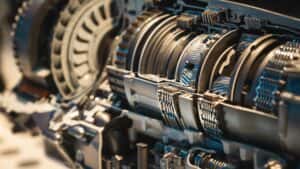
Unlike traditional automatic transmissions that use a torque converter and planetary gearsets, DSG employs two separate clutch packs and two input shafts. While one clutch handles odd-numbered gears (1st, 3rd, 5th, 7th), the other manages even-numbered gears (2nd, 4th, 6th). This design allows the transmission to pre-select the next gear before you need it, enabling lightning-fast shifts that feel nearly seamless.
Think of it like having two manual transmissions working in concert, but controlled by sophisticated computer systems rather than a clutch pedal and shift lever. The result is shift speed and precision that traditional automatics simply cannot match.
Traditional Automatic Operation
Conventional automatic transmissions use a fluid coupling (torque converter) to transfer power from the engine to the transmission. Planetary gearsets and hydraulic controls manage gear selection, with the entire process happening through fluid pressure and mechanical linkages.
This design has been refined over decades and offers smooth, predictable operation that most drivers find familiar and comfortable. While not as quick-shifting as DSG, modern traditional automatics provide excellent reliability and require less frequent maintenance than earlier generations.
Performance Differences in West Virginia Driving 🏔️
The transmission type significantly affects how your Volkswagen handles the diverse driving conditions found throughout Harrison County and the surrounding region.
Mountain Driving Dynamics
DSG transmissions shine in West Virginia’s mountainous terrain. The quick shifts and ability to hold gears precisely make climbing steep grades more efficient and controlled. When descending hills, DSG can provide better engine braking by downshifting more aggressively and holding lower gears longer than many traditional automatics.
For drivers regularly navigating the hills around Clarksburg or traveling through more mountainous areas of West Virginia, DSG’s precise control over gear selection provides tangible benefits in both performance and control.
Highway Efficiency
On routes like I-79 or longer trips through West Virginia, DSG transmissions typically deliver better fuel economy than traditional automatics. The direct mechanical connection between engine and wheels (no torque converter slippage) means less energy waste and improved efficiency, particularly during steady-speed cruising.
Traditional automatics have closed this gap significantly with modern lockup torque converters, but DSG still maintains a slight efficiency advantage in most driving situations.
Maintenance: Understanding the Differences 🔧
One of the most significant distinctions between DSG and traditional automatic transmissions involves maintenance requirements and intervals, something every Clarksburg VW owner should understand before purchase or during ownership.
DSG Service Requirements
DSG transmissions require periodic service that’s more frequent than many traditional automatics. Volkswagen typically recommends DSG service every 40,000 miles, which includes transmission fluid and filter replacement. This service is critical for maintaining DSG longevity and preventing expensive repairs.
The service requirements stem from DSG’s dual-clutch design, which generates more heat and contaminates fluid faster than traditional automatics. West Virginia’s challenging driving conditions, with mountain grades and temperature extremes, make adhering to these service intervals particularly important.
Traditional Automatic Maintenance
Modern traditional automatics in Volkswagens often have longer service intervals, with some manufacturers suggesting 60,000-mile intervals or even “lifetime” fluid (though most experts recommend service regardless). The service process is generally straightforward and similar across most automatic transmissions.
Key maintenance considerations include:
- Fluid condition: Regular inspection helps catch problems early • Filter replacement: Prevents contamination from damaging internal components • External leak checks: Identifying seal issues before they cause low fluid levels • Performance monitoring: Ensuring smooth shifts and proper operation
Driving Feel and Characteristics 🚗
Understanding how each transmission type feels during normal operation helps you recognize what’s normal versus what might indicate a problem requiring attention.
DSG Operation Nuances
DSG transmissions have unique characteristics that can surprise drivers accustomed to traditional automatics. At low speeds, particularly during parking maneuvers, you might notice slight lurching or hesitation as the clutches engage and disengage. This is normal DSG behavior, not a malfunction.
During aggressive acceleration, DSG shifts happen so quickly that you might barely notice them, with seamless power delivery that feels more like a sports car than a typical automatic. Some drivers love this responsive character, while others prefer the smoother, more cushioned feel of traditional automatics.
Traditional Automatic Smoothness
Conventional automatics prioritize smooth, imperceptible shifts during normal driving. The torque converter provides a fluid cushion that absorbs harshness and delivers seamless acceleration. Most drivers find this familiar and comfortable, particularly in stop-and-go traffic around Bridgeport or during relaxed highway cruising.
However, traditional automatics may feel less responsive during aggressive driving, with a slight delay between throttle input and transmission response as the system interprets your demands and executes downshifts.
Reliability and Longevity Considerations 📊
Both transmission types can provide excellent reliability when properly maintained, but they have different characteristics and potential issues that Clarksburg VW owners should understand.
DSG Durability
Properly maintained DSG transmissions deliver excellent reliability, but they’re less forgiving of neglected maintenance than traditional automatics. Skipping recommended service intervals can lead to clutch wear, mechatronic unit problems, or internal damage that results in expensive repairs.
West Virginia’s demanding driving conditions accelerate fluid degradation and clutch wear, making religious adherence to service schedules critical for DSG longevity. However, well-maintained DSG transmissions routinely exceed 150,000 miles without major issues.
Traditional Automatic Track Record
Conventional automatics benefit from decades of refinement and generally tolerate maintenance neglect better than DSG (though we never recommend neglecting any transmission service). Their simpler design means fewer potential failure points and often lower repair costs when problems do occur.
For drivers who prefer a more hands-off ownership experience or who may occasionally stretch maintenance intervals, traditional automatics offer more forgiveness while still delivering reliable performance.
Cost of Ownership Analysis 💰
Understanding the long-term financial implications of each transmission type helps you make informed decisions about your Volkswagen purchase and budget for ongoing care.
Initial Purchase Considerations
DSG-equipped Volkswagens often command slightly higher prices than equivalent models with traditional automatics, both new and used. This premium reflects the advanced technology and performance benefits DSG provides.
However, DSG models may also retain value better in the used market, as enthusiasts often seek them out specifically for their performance characteristics.
Maintenance Cost Differences
DSG service intervals are more frequent and typically cost more per service than traditional automatic maintenance. Budget approximately $300-$400 for DSG service every 40,000 miles, compared to potentially less frequent and slightly less expensive traditional automatic services.
Over a vehicle’s lifetime, these costs add up, but many owners feel the performance and efficiency benefits justify the additional expense.
Making the Right Choice for Your Driving 🎯
Selecting between DSG and traditional automatic depends on your priorities, driving style, and willingness to adhere to specific maintenance requirements.
DSG makes sense if you value quick shifts, sporty performance, maximum fuel efficiency, and don’t mind more frequent transmission service. It’s particularly appealing for drivers who enjoy an engaging driving experience and regularly encounter challenging terrain where precise transmission control provides benefits.
Traditional automatics suit drivers who prioritize smooth, comfortable operation, prefer simpler maintenance schedules, and want a transmission that requires minimal attention beyond basic service. They’re excellent choices for drivers who view their Volkswagen primarily as reliable transportation rather than a performance vehicle.
Local Expert Insight
“I service both DSG and traditional automatic transmissions daily here in Bridgeport, and both are excellent when properly maintained,” explains Tom Richardson, a certified VW technician at our Lodgeville Road location with 14 years of experience. “The key with DSG is understanding it’s not a traditional automatic and treating it accordingly with timely service. Customers who stay on top of DSG maintenance love their transmissions and rarely have problems. Traditional automatics are more forgiving, but they still need proper care. Either way, choosing the right transmission for your driving style and committing to maintenance ensures years of reliable service.”
Understanding Your VW’s Transmission
Whether your Volkswagen features DSG or traditional automatic transmission, understanding how it works and what it needs helps you maximize performance, reliability, and satisfaction. For Clarksburg area drivers navigating West Virginia’s diverse terrain and weather conditions, both transmission types offer distinct advantages that serve different preferences and priorities.
The key to successful ownership isn’t choosing the “better” transmission but rather selecting the one that matches your driving style and maintaining it properly throughout your ownership. Your Volkswagen is engineered to deliver excellent performance and reliability with either transmission type when given appropriate care.
Ready to learn more about your VW’s specific transmission type and maintenance needs? Visit our service center at 730 Lodgeville Road in Bridgeport for expert guidance from technicians who understand both DSG and traditional automatic transmissions, call us to discuss maintenance schedules specific to your vehicle, or schedule online to ensure your transmission receives the specialized care it deserves. Understanding your transmission is the first step to years of trouble-free VW ownership.
0 comment(s) so far on DSG vs. Traditional Automatic: What Every Clarksburg VW Owner Needs to Know