


DSG vs. Automatic: Why Transmission Service at 40k Miles is Critical for Your VW
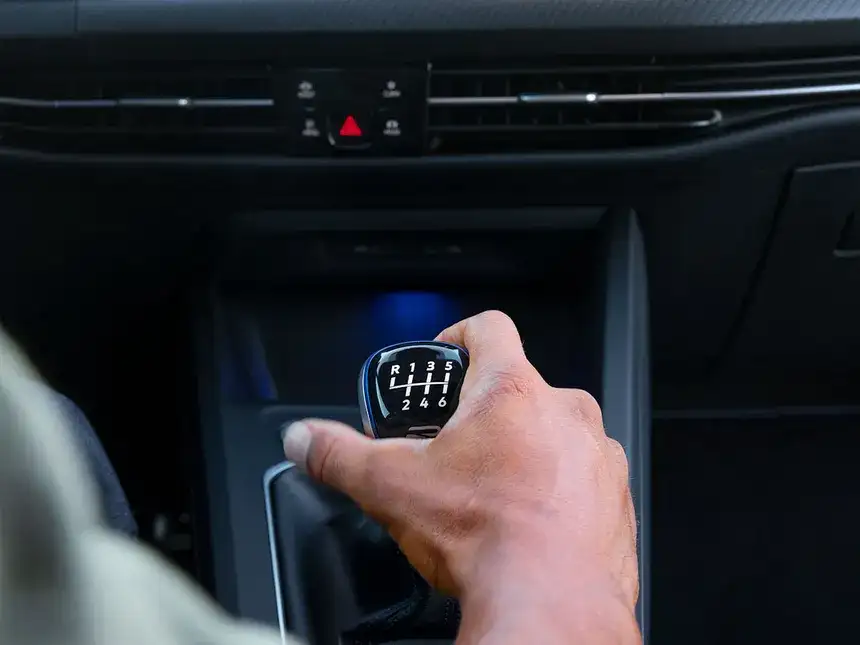
Last month, a Jetta GLI came in from Fairmont after its owner noticed a shudder on light acceleration that had been developing for about three months. He had assumed it was a fueling issue and had run two bottles of fuel injector cleaner through the tank trying to resolve it on his own. After 47,000 miles without a DSG service, the dual-clutch transmission fluid had degraded to the point where the mechatronic unit was operating outside its designed parameters. The DSG fluid and filter service he had skipped at 40,000 miles? $280. The mechatronic unit inspection, corrective flush, and adaptive reset required to restore normal shift behavior? $940.
That pattern, a driver misidentifying a transmission symptom and spending money in the wrong direction before finally arriving at the actual problem, is one we see regularly at Volkswagen Clarksburg. And it’s almost always more expensive to resolve than it needed to be.
Harrison County and Marion County VW owners tend to be conscientious about oil changes and tire rotations. The DSG service interval is the one that falls through the cracks most often, usually because nobody explained at delivery what a DSG transmission actually is, how it differs from a conventional automatic, and why the 40,000-mile service window is the most consequential maintenance interval on the vehicle’s schedule.
This post covers all of it, in plain terms, with real numbers.
What a DSG Transmission Is and Why It’s Different
DSG stands for Direct Shift Gearbox, and it’s the transmission technology Volkswagen uses across most of the current VW lineup in the United States, including the Jetta, Golf GTI, Tiguan, Atlas, and Atlas Cross Sport. Understanding what makes it different from a conventional automatic is the foundation for understanding why its service requirements are different too.
A traditional automatic transmission uses a torque converter and a hydraulic planetary gear system to manage gear changes. It’s a proven, durable design, and its fluid and filter service intervals are well understood by most drivers who’ve owned vehicles long enough.
A DSG is mechanically a different animal. It’s actually two separate automated manual transmissions housed in a single unit, each with its own clutch pack. One handles the odd gears, one handles the even gears, and the system pre-selects the next gear while the current gear is still engaged. The result is shift speed and efficiency that a conventional automatic can’t match. The tradeoff is a transmission that is more mechanically complex, more sensitive to fluid condition, and more reliant on precise hydraulic pressure management to function correctly.
The Mechatronic Unit: The Brain Your Transmission Depends On
Inside your VW’s DSG is a component called the mechatronic unit, a combined electro-hydraulic control module that manages clutch engagement, shift timing, and pressure regulation across both clutch packs simultaneously. It’s one of the more sophisticated components in the vehicle.
The mechatronic unit is bathed in transmission fluid. It depends on that fluid being clean, properly viscous, and within its designed performance parameters to maintain precise hydraulic control. When DSG fluid degrades, the mechatronic unit operates with reduced accuracy, and the symptoms show up as hesitation, shudder, rough engagement from a stop, and inconsistent shift behavior under load.
This is why DSG fluid isn’t interchangeable with conventional automatic transmission fluid. VW specifies a purpose-formulated fluid, and using the wrong product or letting the correct product degrade past its service life creates problems that no fuel system additive is going to fix. 🔧
Wet vs. Dry DSG: Which One Is in Your VW
VW produces two DSG variants. The DQ250 is a wet-clutch DSG used in higher-torque applications like the GTI, GLI, and Tiguan. It uses fluid to cool and lubricate the clutch packs directly. The DQ200 is a dry-clutch DSG used in lower-torque applications. It doesn’t use fluid for clutch lubrication but still has a separate fluid circuit for the mechatronic and gear lubrication functions.
Both require specific service procedures and specific fluids. Both have a 40,000-mile service recommendation as a critical interval, with some driving profiles warranting earlier attention. Knowing which transmission your VW has is part of the service conversation our team at the Lodgeville Road location will walk through with you at your appointment.
Why West Virginia Driving Conditions Accelerate DSG Wear
Transmission service intervals are written around average driving conditions, and West Virginia driving, particularly in Harrison County and the surrounding region, sits well outside average on several dimensions that matter for DSG health.
The elevation changes on I-79 between Clarksburg and Morgantown, the grades on US-50 heading toward Parkersburg, and the winding two-lanes through Bridgeport and Shinnston put your DSG through repeated load cycles that a flat-terrain commuter simply doesn’t experience. Every grade climb at highway speed is a sustained torque demand event that generates heat in the clutch packs and transmission fluid. Repeated heat cycles accelerate fluid oxidation and reduce the fluid’s ability to maintain the hydraulic precision the mechatronic unit requires.
Stop-and-Go Driving in Bridgeport and Clarksburg
The commercial corridor along Emily Drive, the congestion around the Meadowbrook Mall area, and the daily backup at the US-50 and I-79 interchange put Bridgeport-area VW owners in repetitive low-speed clutch engagement cycles that are particularly demanding on dry-clutch DSG transmissions. Slow traffic requires frequent micro-engagements of the clutch system, which generates heat in a component that depends on clean fluid to dissipate it.
A Golf GTI owner from Bridgeport came in last spring after his transmission had begun exhibiting a pronounced shudder when pulling away from stoplights on Johnson Avenue. He commuted daily through the Emily Drive corridor and had 44,000 miles on the vehicle with no DSG service on record. The wet-clutch fluid was significantly degraded, and the adaptive clutch parameters had drifted enough to require a full reset alongside the service. The service, fluid, filter, and adaptive reset came to $340. He had been quoted $1,200 at a non-VW shop that had recommended a full transmission replacement before he came to us.
Winter Cold Starts on the DSG
Harrison County winters regularly push overnight temperatures below 10 degrees. Cold DSG fluid is significantly thicker than fluid at operating temperature, and the mechatronic unit has to manage clutch engagement with hydraulic fluid that hasn’t yet reached its designed viscosity range. Repeated cold-start clutch engagement cycles in degraded fluid accelerate wear on the clutch pack friction surfaces faster than warm-weather driving does.
This is the specific reason that WV drivers in Clarksburg and Bridgeport should not push past the 40,000-mile DSG service interval on calendar time alone. Mileage may be modest, but the thermal and load cycles that matter for fluid condition accumulate faster in mountain driving and cold-climate conditions than the odometer reflects.
Warning Signs Your DSG Needs Service Now
These symptoms don’t always mean catastrophic damage is imminent, but each one is a signal that the transmission deserves prompt professional attention rather than a wait-and-see approach.
A shudder or vibration on light acceleration from a stop, particularly noticeable pulling away from a light on Emily Drive or US-50, is the most consistent early symptom of clutch pack wear or degraded fluid affecting engagement quality.
A hesitation or delay when selecting Drive or Reverse from Park, especially when the vehicle is cold, indicates mechatronic hydraulic pressure response is slower than it should be, often a fluid condition issue.
Harsh or jerky low-speed shifts, the 1-2 upshift feeling abrupt rather than smooth during gentle acceleration through Bridgeport traffic, points to clutch engagement timing that has drifted from its adaptive calibration.
A hunting or indecisive behavior around 30 to 40 mph where the transmission seems unsure whether to upshift or downshift is a classic DSG symptom of fluid degradation affecting shift logic response.
A whining or humming from the transmission tunnel under load that changes with vehicle speed rather than engine RPM suggests a bearing or gear lubrication issue that warrants immediate diagnosis.
A check engine or transmission warning light paired with any of the above symptoms should prompt a same-week service appointment rather than a monitored wait.
If you’re experiencing more than one of these symptoms simultaneously, the service conversation should happen this week, not next month.
The Real Cost of DSG Service vs. DSG Repair
The financial case for staying on the DSG service interval is one of the clearest cost comparisons in automotive maintenance.
Skipping the 40,000-mile DSG service and addressing the consequences:
- Mechatronic unit inspection and corrective flush after symptom development: $400 to $600
- Adaptive reset and recalibration: $180 to $240
- Clutch pack replacement if friction material is damaged: $1,400 to $2,200
- Total reactive cost range: $1,980 to $3,040
Staying on the DSG service schedule:
- 40,000-mile DSG fluid and filter service (wet-clutch DQ250): $280 to $340
- 80,000-mile repeat service: $280 to $340
- Smart total through 80,000 miles: $560 to $680
Your savings from staying on schedule: $1,420 to $2,360. Those numbers are based on actual repair orders from our service department on Lodgeville Road, not projections.
A Tiguan owner from Clarksburg came in at 52,000 miles after buying the vehicle used at 38,000 miles with no service history documentation. She had no symptoms yet but wanted to establish a service baseline. The DSG fluid came out dark and showed signs of thermal degradation consistent with mountain driving cycles and no prior service. The proactive fluid and filter change cost $310 and gave her a clean starting point. The transmission technician noted the fluid was close enough to the edge of its service life that another 8,000 to 10,000 miles would likely have produced measurable mechatronic response issues.
“The biggest mistake I see is owners treating the DSG like a sealed conventional automatic, something you never touch until it breaks,” says Ryan Calloway, Master VW Transmission Technician at the Lodgeville Road location. “The DSG is a precision hydraulic system. The fluid is doing active work in there, not just sitting as a lubricant. When it degrades, the system loses accuracy before it loses function, and that gap between reduced accuracy and actual failure is where all the expensive damage happens.”
Your 30-Day DSG Service Action Plan
This week: Check your service records or contact our service department at the Lodgeville Road location to confirm whether a DSG service has ever been performed on your VW. If you purchased used and don’t have documentation, assume the service hasn’t been done and treat the mileage on the vehicle as your planning baseline. If you’re at or past 40,000 miles with no DSG service on record, this moves from a planning item to an immediate scheduling priority.
Within two weeks: Pay attention to your transmission behavior during your normal commute through Bridgeport and on I-79. Specifically notice the quality of the 1-2 upshift during gentle acceleration, the smoothness of engagement when pulling away from a stop at a light, and whether there’s any hesitation when selecting Drive from Park on a cold morning start. These are the three moments where early DSG degradation shows up most clearly, and your own observations are valuable diagnostic input.
By month’s end: Schedule your DSG service at the Lodgeville Road location if you’re in the service window. Our VW-certified technicians will identify your specific transmission variant, use the correct VW-specified fluid, perform the filter service where applicable, and execute the adaptive reset that ensures the mechatronic unit recalibrates accurately to fresh fluid parameters. Bundling this with your next oil change makes the appointment efficient and keeps your full service record current in one visit.
These three steps take less than 20 minutes of your time outside the actual service appointment and can prevent the kind of transmission repair bill that no Clarksburg or Bridgeport driver should have to absorb from a skipped $300 service.
The DSG transmission is one of the genuine engineering highlights of the modern VW lineup. It delivers a driving experience that justifies the technology. Keeping it in the condition that experience requires is a straightforward maintenance commitment with a very clear return on investment.
Schedule Your DSG Service Today
The Fairmont Jetta GLI owner from the opening eventually got the mechatronic service and adaptive reset completed at our Lodgeville Road location. The shudder resolved, the shift quality returned to what he remembered from the first year of ownership, and he left with a documented DSG service baseline and a reminder set for 80,000 miles. He spent more than he needed to because the service was deferred. He won’t make that mistake twice.
At Volkswagen Clarksburg, our certified VW technicians perform DSG services with the correct factory-specified fluids, proper filter replacement procedures, and the adaptive reset process that ensures your transmission recalibrates correctly after fresh fluid is introduced. Whether your VW is approaching 40,000 miles, already past it without a service record, or showing symptoms that need diagnostic attention, we’ll give you an honest assessment and a clear service plan. 🔧
Schedule your DSG transmission service today by contacting our service department or booking online. You’ll find us at 730 Lodgeville Rd, Bridgeport, WV 26330.
Proper DSG maintenance protects one of the most sophisticated and most expensive components in your Volkswagen, preserves the shift quality and driving feel that made you choose the vehicle, and prevents the kind of repair bill that a skipped fluid service should never have to become. That’s what staying on schedule delivers.
0 comment(s) so far on DSG vs. Automatic: Why Transmission Service at 40k Miles is Critical for Your VW