


Don’t Let a Blown Tire Ruin Your Summer Trip Down Route 50: Essential VW Tire Inspections
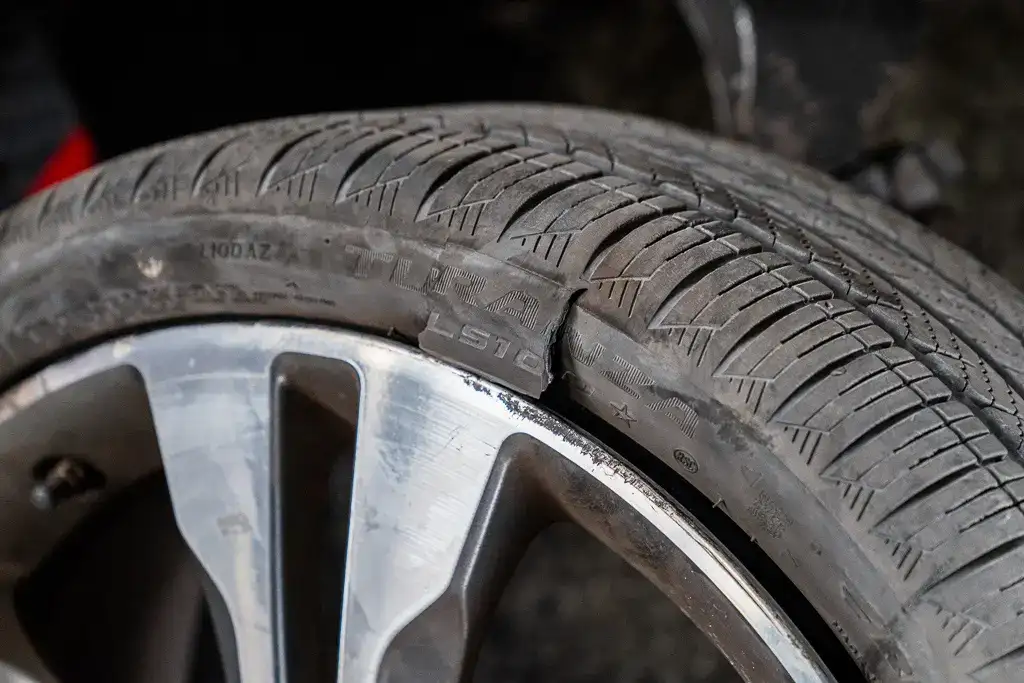
Route 50 is one of those drives that makes summer in Clarksburg worth it, winding past Jane Lew, Salem, and on toward Parkersburg with plenty of scenery and not a lot of cell signal along the way. But a long highway drive in summer heat is exactly the kind of trip that puts tires to the test, and a tire inspection that takes a few minutes and often costs nothing is a lot better than dealing with a $150 to $300 blowout repair on the side of Route 50 with no help in sight. A quick check before you go can be the difference between a smooth trip and a long wait for a tow.
Summer heat and sustained highway speeds are a tough combination for tires, and a lot of drivers don’t think about it until something goes wrong. Whether you’re driving a Jetta, Tiguan, or Atlas, the tires doing the work underneath you are dealing with more heat and more strain on a long Route 50 drive than they would on a short trip around Clarksburg.
Why Summer Highway Driving Is Hard on Tires
A combination of heat, speed, and distance creates conditions that wear on tires faster than most people expect.
- Hot pavement adds heat before you even start driving. Asphalt on a stretch of Route 50 in direct summer sun can run far hotter than the air temperature alone would suggest, and tires absorb that heat continuously as you drive.
- Sustained highway speeds generate additional heat through friction. Unlike stop and go city driving, a long highway stretch keeps tires working continuously at higher speeds, which builds heat faster than shorter trips ever would.
- Underinflated tires are far more likely to fail under these conditions. Low pressure increases flexing in the sidewall, which generates even more heat and significantly raises the risk of a blowout on a long, hot drive.
- Older or worn tires lose their margin for error. A tire with reduced tread or sidewall damage that’s been fine on local roads can fail under the combined stress of heat and sustained speed, especially with a loaded vehicle.
Owen Castellanos, a technician at our Clarksburg location, says he sees a predictable rise in tire-related service calls every summer, especially from drivers heading out on longer trips down Route 50 or out toward Parkersburg. He says most blowouts he sees were preventable with a basic pressure and tread check beforehand, and that the inspection takes a fraction of the time that dealing with a roadside tire failure does.
What a Proper Tire Inspection Covers
A thorough tire check before a long summer drive should cover more than just a quick glance:
- Tread depth across the tire, not just the center. Uneven wear patterns can point to alignment issues or inconsistent pressure that a quick glance might miss.
- Pressure in all four tires, checked cold. Comparing current pressure to the recommended PSI on the driver’s door sticker, not the tire’s sidewall, gives the most accurate read on whether adjustment is needed.
- Spare tire condition and pressure. A spare that’s been sitting unused can lose enough air to be useless exactly when you need it most.
- Sidewall condition. Cracks, bulges, or visible damage on the sidewall are easy to miss without a hands-on inspection and can be an early warning sign of a tire nearing failure.
- Overall tire age. Tires older than six years can develop internal issues even with plenty of remaining tread, since the rubber compound degrades over time regardless of mileage.
A standard tire rotation and inspection typically runs $20 to $40, while a full set of replacement tires depending on the VW model and tire chosen generally falls between $400 and $800. Compared to the cost and inconvenience of a roadside blowout on a stretch of Route 50 with no quick help available, that’s a small price for a lot of peace of mind.
Getting Ready for the Drive
A few habits beyond the inspection itself help keep a long summer drive smooth:
- Check pressure again once the car is loaded. A fully packed vehicle may need slightly different pressure than what’s set for everyday driving.
- Download offline maps before you go. Cell coverage gets thin in stretches between Clarksburg and Parkersburg, so having directions saved ahead of time avoids unnecessary stress.
- Pack a basic emergency kit. A tire inflator, jumper cables, and a few simple tools can solve a lot of minor issues without needing to wait for outside help.
- Don’t ignore a slow leak just because it seems minor. A tire that needs frequent topping off is telling you something, and it’s worth having checked rather than just adding air and hoping it holds.
Route 50 is one of the better summer drives this part of West Virginia has to offer, and a well-maintained set of tires is what makes that drive stress-free instead of stressful. A few minutes of attention before you leave goes a long way toward making sure the trip is memorable for the right reasons.
If it’s been a while since your tires were checked, or you’ve got a long drive coming up, stop by and let us take a look. The team at Volkswagen Clarksburg, located at 730 Lodgeville Rd, Bridgeport, WV 26330, can check your tread, pressure, and overall tire condition so you can hit Route 50 with confidence.
0 comment(s) so far on Don’t Let a Blown Tire Ruin Your Summer Trip Down Route 50: Essential VW Tire Inspections