


Cooling System Thermostat Housing & Water Pump Care for VW TSI Engines
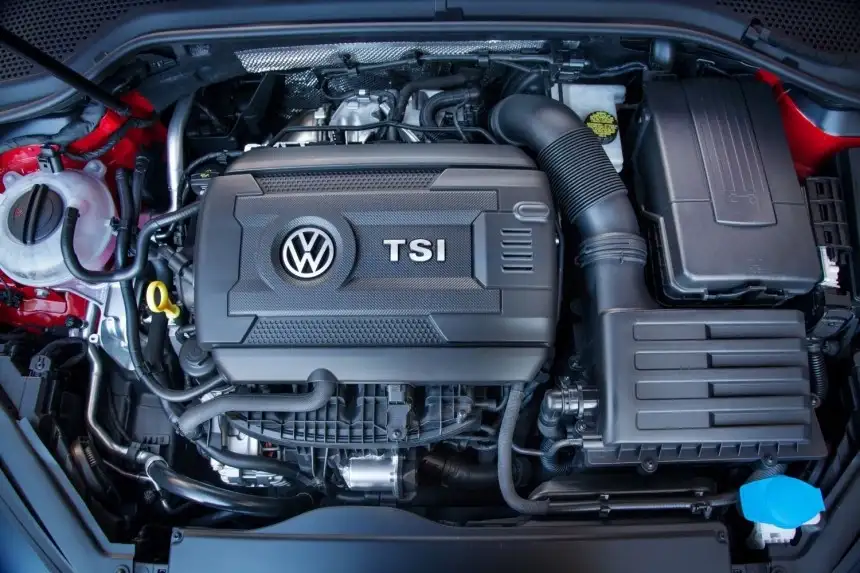
Key Takeaways
- Small parts, big consequences: The thermostat housing and water pump control how your TSI engine warms up and stays cool, and a failure in either can lead to overheating.
- Plastic and heat do not last forever: Many TSI engines use composite housings that age through thousands of heating and cooling cycles, so seepage and cracks become more likely with mileage.
- Coolant condition is critical: VW engines need the correct coolant specification, and mixing the wrong types can damage seals and shorten component life.
- Early detection is affordable: Sweet smells, low coolant, and temperature swings are inexpensive to diagnose now and costly to ignore.
Your Volkswagen’s turbocharged TSI engine packs impressive power into a compact, efficient design, and it relies on a precisely managed cooling system to do it. A routine cooling system inspection costs a small fraction of what a overheated engine repair will run you, and it can be done before a leak ever leaves you on the shoulder. Two components do much of the heavy lifting behind the scenes: the thermostat housing and the water pump. Knowing how they work, and what to watch for, helps you protect the heart of your vehicle.
What the Thermostat Housing and Water Pump Do
The water pump circulates coolant through the engine block, cylinder head, turbocharger, and radiator, carrying away heat so the engine stays in its ideal temperature range. The thermostat acts as a gatekeeper, staying closed while the engine warms up so it reaches operating temperature quickly, then opening to let coolant flow to the radiator once things get hot. The housing holds the thermostat and connects the coolant passages around it.
On many TSI engines, these parts are integrated into a single module made largely of composite material, which saves weight and cost but is more sensitive to heat and age than metal. Every time the engine goes from cold to hot and back again, the plastic expands and contracts slightly. Over years of driving, that cycling can lead to hairline cracks, warped sealing surfaces, and weeping gaskets. Because the layout varies between engine generations and models, your technician will know exactly which design your VW uses, and you can review recommended service points in the Volkswagen Clarksburg maintenance menu.
Warning Signs of Trouble
Cooling system problems rarely appear out of nowhere. They usually announce themselves through small changes that are easy to dismiss until they grow. Pay attention to these signals, especially after a drive up the grades around Clarksburg or Bridgeport:
- Low coolant level: Needing to top off the reservoir between services suggests coolant is escaping somewhere.
- Sweet smell after driving: Coolant has a distinctive, syrupy odor, and a whiff near the engine bay often means a small leak is hitting hot metal.
- Crusty residue or drips: Dried pink, purple, or whitish deposits around the housing or pump point to slow seepage.
- Temperature gauge swings: A reading that climbs, drops, or fluctuates unpredictably can indicate a thermostat that is sticking or a pump that is not circulating properly.
- Warning lights or messages: A coolant level or temperature warning should never be ignored, and driving on after one appears can cause severe engine damage.
Weak cabin heat in winter is another clue, since a thermostat stuck open keeps the engine running cool and the heater struggling to deliver warmth. If you notice any of these, have the system checked promptly rather than waiting for it to become obvious.
Why These Parts Fail
Age and heat are the primary culprits, but they are not the only ones. Coolant that has passed its service life loses its corrosion inhibitors, and the resulting deposits can attack seals and metal surfaces from the inside. Using the wrong coolant is another common problem. Volkswagen specifies particular coolant types for its engines, and mixing incompatible formulas can create sludge and accelerate wear. Always rely on the specification in your owner’s manual rather than a generic universal product.
Water pump bearings and seals also wear with mileage. A pump that develops play in its shaft may whine, seep coolant, or fail to move enough fluid to keep temperatures under control. On engines where the pump is driven by a belt or a timing component, a failing pump can even threaten related parts, which is why many technicians recommend inspecting related components at the same time. The official Volkswagen website is a useful resource for model-specific information and owner materials.
How Local Driving Conditions Add Stress
North central West Virginia asks a lot of a cooling system. Long, steady climbs on I-79 and the winding grades along US-50 put sustained load on the engine, which raises coolant temperatures and pushes the water pump harder. Summer heat compounds the demand, while winter brings the opposite challenge: sharp overnight freezes followed by quick warm-ups, which are exactly the kind of thermal cycling that fatigues composite housings.
Stop and go traffic can matter too, since airflow through the radiator drops when you are not moving and the cooling fans have to compensate. A system that is already marginal may handle open-road driving fine but struggle in a slow crawl, so overheating that appears only in traffic is still a real warning. Keeping the radiator, fans, hoses, and coolant in good condition gives the whole system more margin.
What a Professional Cooling System Inspection Includes
A thorough inspection looks well beyond the coolant reservoir. A technician will pressure test the system to reveal leaks that are not visible when the engine is cold, since pressure forces coolant through tiny cracks and weak seals. They will inspect the thermostat housing and water pump for seepage, discoloration, and cracking, check hoses and clamps for softness or bulging, and test the coolant for correct concentration and condition.
They will also verify that the cooling fans engage properly and that the thermostat opens at the right temperature. Diagnostic tools can read live coolant temperature data to catch a thermostat that is slow to open or stuck. Catching these issues during a routine visit is far easier than dealing with them on a roadside, and you can schedule service at a time that fits your week.
Protecting Your Cooling System Between Visits
A few simple habits go a long way toward keeping your TSI engine happy. Check the coolant level in the reservoir periodically when the engine is cold, never opening the cap on a hot system, and use only the coolant type specified for your vehicle. Following the maintenance schedule matters as well, since coolant replacement intervals exist to keep protective additives working. These practices help extend component life:
- Monitor the gauge: Notice your normal operating temperature so you can spot changes quickly.
- Respond to warnings immediately: Pull over safely and shut off the engine if the temperature climbs into the red zone.
- Stay on schedule: Replace coolant at the intervals listed in your owner’s manual, and have the system inspected during routine service.
- Check for recalls: Use the NHTSA recall lookup with your vehicle identification number to confirm there are no open safety campaigns on your VW.
Do Not Wait for Overheating
An engine that overheats can suffer warped cylinder heads, blown head gaskets, and damaged turbochargers, repairs that dwarf the cost of replacing a leaking housing or a tired pump. The good news is that cooling system trouble is highly preventable with regular attention. If you have noticed a sweet smell, falling coolant, or unusual temperature behavior, now is the time to have it looked at, ideally before the coldest weather and heaviest holiday driving arrive.
A proactive approach also makes budgeting easier. Many owners find that a prepaid plan helps them stay on top of scheduled maintenance, and the Volkswagen Care maintenance plans are worth exploring if you want predictable service costs. For a complete evaluation of your thermostat housing, water pump, and coolant condition, visit Volkswagen Clarksburg, located at 730 Lodgeville Rd, Bridgeport, WV 26330, and let the service team keep your TSI engine running cool and confident on every mile ahead.
0 comment(s) so far on Cooling System Thermostat Housing & Water Pump Care for VW TSI Engines