


Conquering Steep Appalachian Grades: VW Brake Pad & Rotor Replacements for Mountain Road Trips
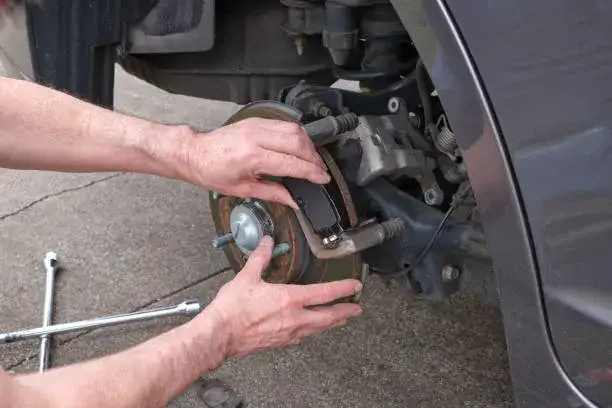
Key Takeaways
- Descents create the most brake heat: Long grades keep pads and rotors working for miles, and heat is what wears them down and causes fade.
- Pads and rotors wear as a pair: Thin pads can damage rotors, and worn or heat-stressed rotors shorten the life of new pads.
- Fluid and tires complete the system: Brake fluid condition and tire tread affect how well your Volkswagen stops on steep, winding roads.
- Inspect before you pack the car: A brake check ahead of a road trip costs far less than dealing with worn-out brakes on a grade far from home.
The roads that make West Virginia so memorable are also some of the most demanding you can drive, with long, winding descents that drop hundreds of feet in a few miles. Every one of those grades asks your Volkswagen’s brakes to turn speed into heat over and over, and pads and rotors that were fine on flat commutes can suddenly feel their age. A brake inspection and pad replacement is a planned, manageable service visit, while brakes that fade or fail on a steep descent can lead to a serious accident and a far more expensive repair. A little attention before your next mountain road trip helps you enjoy the scenery with confidence.
Why Appalachian Grades Are Hard on Brakes
In flat country, you brake in short bursts and the pads and rotors cool between applications. On a mountain descent, the car wants to keep gaining speed, and the brakes have to keep working to hold it back. That sustained friction pushes temperatures up quickly, and when pads and rotors get too hot, they lose some of their ability to grip, a condition known as brake fade.
North-central West Virginia offers plenty of examples. A drive on I-79 south of Clarksburg, US-50 across the Allegheny ridges, or Corridor H toward the higher Highlands includes stretches where the road drops steadily for miles. Farther south, the approach to the New River Gorge National Park and Preserve and the winding roads around Fayetteville involve dramatic changes in elevation. A loaded vehicle, with luggage, passengers, and gear, adds even more weight for the brakes to control.
How Pads and Rotors Work Together
When you press the brake pedal, hydraulic pressure pushes the brake pads against the rotors, which are the metal discs attached to each wheel. The friction slows the wheel, and the resulting heat is absorbed by the rotor and released into the air. Pads are made of friction material designed to wear gradually, while rotors are meant to last longer but do wear over time.
That partnership is why pads and rotors should be evaluated together. A worn pad can expose the metal backing plate, which scores the rotor surface. A warped or uneven rotor can cause pulsation and uneven pad wear. Each rotor also has a minimum thickness, usually stamped on it, and once it wears below that limit it can no longer absorb and shed heat safely. A technician measures both during an inspection, which is much more reliable than judging by feel.
When Pads Need Replacing
Brake pads wear at different rates depending on how and where you drive. Mountain roads, heavy traffic, and aggressive braking all speed things up, and the front pads typically wear faster than the rear because they handle most of the stopping force. Many Volkswagen models have a brake pad wear sensor that triggers a warning on the dash when the pad material gets thin, but you shouldn’t wait for it if you’re planning a long trip through steep terrain.
As a general rule, pads with only a few millimeters of friction material left are close to the end of their life. Squealing, grinding, or a longer stopping distance are all reasons to have them checked right away. Replacing pads at the right time protects the rotors, and that often keeps the repair simpler and more affordable.
When Rotors Need Attention
Rotors show wear in several ways. Deep grooves, a raised lip around the outer edge, blue or dark heat spots, and cracks are all signs of stress. A pulsing brake pedal or steering wheel shudder during braking often points to uneven rotor thickness, which becomes more noticeable after hard use on descents.
In some cases, a rotor with enough thickness remaining can be resurfaced, but many modern rotors are thin and are more often replaced, especially when a vehicle will face demanding conditions. Fresh rotors paired with new pads give the best braking feel and the most consistent performance on long grades. If you’d like to see genuine Volkswagen components, the parts center lists what’s available.
Brake Fluid: The Hidden Piece
Brake fluid transfers your foot pressure to the calipers, and it absorbs moisture from the air over time. Water in the fluid lowers its boiling point, and if the fluid boils under heavy braking, vapor bubbles form and the pedal can feel soft or sink toward the floor. That’s a frightening thing to experience halfway down a mountain.
Many Volkswagen maintenance schedules call for brake fluid replacement on a time basis, often about every two years, so confirm the interval for your model in your owner’s manual. You can also see what’s typically included at each service milestone in the maintenance menu. If your last brake fluid service was a while ago, it’s a smart item to handle before a mountain trip.
Tires and Other Parts of the Braking Equation
Your brakes can only stop the car as well as your tires allow. Worn or underinflated tires reduce grip and stretch stopping distances, particularly on wet or leaf-covered pavement. Check tread depth and tire pressure before a road trip, and remember that cooler fall mornings can lower pressure. Brake lines, calipers, and hardware also deserve a look, since sticking calipers or damaged hoses can cause uneven wear and pulling to one side.
Many newer Volkswagens use an electronic parking brake, and rear brake service on those vehicles often requires putting the system into a service mode with diagnostic equipment before the pads can be replaced. That’s one more reason to have the work done by technicians who have the proper tools and Volkswagen procedures.
Driving Techniques for Long Descents
Good technique reduces brake wear and heat. On a long grade, shift down before the descent begins, using manual mode or the paddle shifters if your Volkswagen has them, so the engine helps control your speed. Then apply the brakes firmly and briefly to slow down, and let them cool as you release, rather than dragging them lightly the entire way. Leave extra following distance, since a sudden slowdown ahead is harder to manage on a grade.
Avoid riding the brake pedal, and keep your speed at a level where you’re comfortable well before the first curve. If the pedal starts to feel soft, or you notice a burning smell, pull over safely in a turnout and let the brakes cool. Before you leave, you can check road conditions and closures with WV511 so you know what to expect along your route.
Signs Your Brakes Need Attention
Your Volkswagen usually gives you warnings before a problem becomes severe. Pay attention if you notice any of these:
- A high-pitched squeal or a metallic grinding noise when braking
- A brake pedal that feels soft, spongy, or sinks slowly under pressure
- Pulsation in the pedal or steering wheel during braking
- The vehicle pulling to one side when you slow down
- A brake warning light or pad wear message on the dash
- A burning smell after driving downhill
- Longer stopping distances than you remember
If any of these sound familiar, have the brakes inspected before your trip, not after.
What Affects the Cost of Brake Service
Understanding where the costs come from makes it easier to plan ahead:
- Brake inspection: A short, low-cost check that measures pad thickness, rotor condition, and fluid quality.
- Pad replacement: A routine wear item that is far less expensive when done before the pads damage the rotors.
- Pad and rotor replacement: The most common repair for vehicles that see mountain use, and a reliable way to restore full braking performance.
- Brake fluid service: A scheduled maintenance item that protects against fluid-related fade.
- Caliper or brake line repair: A more involved repair that becomes necessary when problems are left unresolved.
Routine attention sits at the lower end of that list. Volkswagen owners who like to plan ahead can also ask about VW Care maintenance plans for prepaid routine service.
A Simple Checklist Before a Mountain Road Trip
A few steps make a real difference. Have your brakes measured and inspected, including pads, rotors, and fluid. Check tire tread and pressure on all four tires, and don’t forget the spare. Confirm your wipers and lights work, since mountain weather can change fast. Pack thoughtfully, keeping heavy items low and centered, and avoid overloading the vehicle. Plan your route and give yourself plenty of time, so you can take descents at a relaxed pace and stop at overlooks to let the brakes cool.
Get Your Volkswagen Ready for the Mountains
Fall is one of the best times to see West Virginia’s ridges and valleys, and a road trip is more enjoyable when you trust your brakes on every descent. If you’d like your pads, rotors, brake fluid, and tires inspected before you go, schedule service with the team at Volkswagen Clarksburg, located at 730 Lodgeville Rd, Bridgeport, WV 26330, United States. A short visit now can keep your Volkswagen stopping smoothly and predictably on every steep grade ahead.
0 comment(s) so far on Conquering Steep Appalachian Grades: VW Brake Pad & Rotor Replacements for Mountain Road Trips