


Common Causes of the Volkswagen Check Engine Light
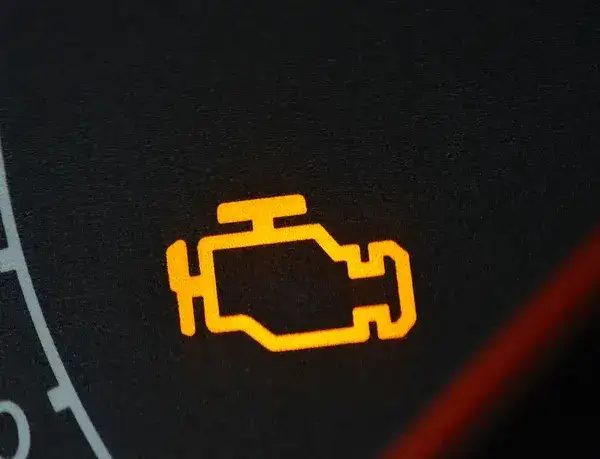
Last week, a 2021 VW Tiguan arrived at our Lodgeville Road service center with an illuminated check engine light. The owner had been driving with the light on for three weeks, assuming it was “probably just the gas cap” and nothing urgent. Diagnostic scanning revealed multiple stored codes: misfires on two cylinders from failed ignition coils, an oxygen sensor showing excessive voltage from running with misfires too long, and evaporative emissions system codes from a loose gas cap. The comprehensive repair cost $780 including two ignition coils, one oxygen sensor, and evaporative system testing. Had they addressed the light when it first appeared? Approximately $380 for just the ignition coils, preventing the oxygen sensor damage that developed from continuing to drive with misfires.
The check engine light represents one of the most misunderstood warning systems in modern vehicles. Many Clarksburg area VW owners don’t realize this amber warning indicates issues ranging from minor problems requiring simple fixes to serious malfunctions causing engine damage if ignored. Understanding what triggers the check engine light, which issues are urgent versus less critical, and why prompt diagnosis matters protects your Volkswagen from expensive damage while providing peace of mind about warning light meanings.
The dangerous practice of ignoring check engine lights or assuming they indicate minor issues leads to preventable damage costing thousands in repairs. Modern VW engine management systems illuminate the check engine light for specific reasons, and proper diagnosis identifies problems before they escalate.
If you own a VW in the Bridgeport area, currently have an illuminated check engine light, have experienced intermittent warning lights, or want to understand what various warning light scenarios mean, this guide provides essential information.
Understanding the Check Engine Light System
The check engine light (also called malfunction indicator lamp or MIL) serves as the primary warning for engine management and emissions system problems.
The engine control module (ECM) constantly monitors dozens of sensors and systems including oxygen sensors, mass airflow sensor, throttle position, coolant temperature, camshaft and crankshaft position, fuel system operation, ignition system performance, and emissions control systems. When the ECM detects values or patterns outside normal parameters, it stores diagnostic trouble codes (DTCs) and illuminates the check engine light.
The light provides limited information by itself. Steady illumination indicates a problem detected and stored as a code. Flashing indicates active misfires causing potential catalytic converter damage, requiring immediate attention. The light going off after several drive cycles suggests an intermittent problem that self-corrected, though the code typically remains stored in memory for diagnostic purposes.
Proper diagnosis requires a professional scan tool reading stored codes, viewing live data from sensors, and performing system-specific tests. Generic code readers from auto parts stores provide basic code numbers but lack the detailed information VW-specific diagnostic equipment provides.
“Check engine lights require professional diagnosis, not guessing or ignoring,” says Robert Williams, Master Technician at our Lodgeville Road location. “We see customers weekly who drove for weeks or months with check engine lights, turning minor problems into major failures. An ignition coil costs $180 to replace when caught early. Drive with misfires for months and you damage the catalytic converter adding $1,200 to 2,000 to the repair. An oxygen sensor costs $280 to replace. Ignore it and the engine runs rich, damaging the catalytic converter and fouling spark plugs. The check engine light is an early warning system. Heed the warning and repairs are modest. Ignore it and minor problems become expensive disasters.”
Most Common VW Check Engine Light Causes
Certain issues trigger check engine lights more frequently than others in Volkswagen vehicles.
Ignition Coil Failure
This represents the most common check engine light cause in turbocharged VW engines. The ignition coils (one per cylinder) fire the spark plugs. Failed coils cause misfires triggering codes and illuminating the check engine light.
Symptoms include rough idle, hesitation during acceleration, reduced power, and sometimes a noticeable misfire at idle. The check engine light may flash during acceleration if misfires are severe.
Diagnosis involves reading misfire codes identifying which cylinder, swapping the coil to another cylinder to verify it’s the coil causing the problem, and inspecting the spark plug for damage from prolonged misfiring.
Repair costs approximately $180-250 per coil including labor. VW engines typically have four or six cylinders requiring replacement of the failed coil or coils. Some technicians recommend replacing all coils preventively if the vehicle has high mileage and original coils, as multiple failures often occur within months of each other.
Continuing to drive with failed ignition coils causes raw fuel to enter the exhaust, potentially damaging the catalytic converter costing $1,200-2,000 to replace. Address coil failures promptly to prevent expensive secondary damage.
Mass Airflow Sensor Issues
The mass airflow (MAF) sensor measures air entering the engine, allowing the ECM to calculate proper fuel delivery. Contaminated or failed MAF sensors cause incorrect fuel mixture, poor performance, and check engine lights.
Symptoms include rough idle, hesitation, reduced power, poor fuel economy, and sometimes stalling. The engine may run better at high speeds than at idle or low speeds.
Diagnosis involves reading MAF sensor values and comparing them to specifications, performing MAF sensor cleaning to remove contamination, and replacing the sensor if cleaning doesn’t resolve the problem.
MAF sensor cleaning costs $85-120 and often solves the problem if caught early. Replacement costs $280-420 for the sensor and labor. Using quality air filters and replacing them at proper intervals prevents most MAF sensor contamination.
Oxygen Sensor Failure
Oxygen sensors monitor exhaust gases, allowing the ECM to adjust fuel mixture for optimal efficiency and emissions. Failed sensors cause incorrect fuel delivery, reduced fuel economy, and emissions test failures.
Symptoms often include reduced fuel economy (sometimes dramatically, 3 to 5 MPG decline), rough idle at operating temperature, and failed emissions testing. Performance may seem normal despite the illuminated check engine light.
Diagnosis involves reading oxygen sensor codes identifying which sensor (VW engines typically have two to four oxygen sensors), viewing live sensor data to verify the sensor isn’t responding correctly, and inspecting for exhaust leaks that can cause false sensor readings.
Replacement costs $280-420 per sensor including labor. Modern sensors typically last 80,000-120,000 miles but can fail earlier from contamination or exhaust leaks.
Evaporative Emissions System
The evaporative emissions (EVAP) system prevents fuel vapors from escaping to the atmosphere. Common EVAP issues include loose or damaged gas cap, purge valve failure, charcoal canister saturation, and leak detection pump problems.
Symptoms are often absent beyond the check engine light. The vehicle may run perfectly normally despite EVAP system codes.
Diagnosis involves performing smoke testing to identify vapor leaks, testing purge valve operation, checking gas cap seal condition, and verifying leak detection pump function.
Gas cap replacement costs $25-45 if that’s the only issue. Purge valve replacement costs $180-280. More complex EVAP repairs can cost $350-650 depending on the specific problem.
The loose gas cap myth (that most check engine lights are just loose gas caps) is mostly false. While it does happen occasionally, most check engine lights indicate actual problems requiring professional diagnosis.
Catalytic Converter Efficiency
The catalytic converter reduces harmful emissions. Codes indicating low catalytic converter efficiency suggest the converter isn’t cleaning exhaust gases adequately.
These codes often result from upstream problems (misfires, oxygen sensor failures, rich running conditions) rather than actual converter failure. Addressing the root cause sometimes clears converter efficiency codes without converter replacement.
Symptoms may include reduced power, poor fuel economy, and failed emissions testing. The vehicle might run acceptably despite the codes.
Diagnosis involves determining whether upstream problems caused the codes, testing oxygen sensor function thoroughly, checking for exhaust leaks affecting sensor readings, and verifying actual converter failure versus false codes from other issues.
Catalytic converter replacement costs $1,200-2,000 depending on the model. Before replacing the converter, ensure upstream issues are resolved first.
A teacher from Shinnston experienced check engine lights in their Jetta showing catalytic converter efficiency codes. Rather than immediately replacing the converter, diagnosis revealed misfires from old spark plugs causing rich running that set the converter codes. Spark plug replacement costing $220 solved the problem. The converter itself was fine. Proper diagnosis saved $1,400 in unnecessary converter replacement.
Flashing Check Engine Light
A flashing check engine light indicates active severe misfires requiring immediate attention.
What Flashing Means
Flashing indicates misfires severe enough to damage the catalytic converter. Raw fuel from misfiring cylinders enters the exhaust where it ignites in the catalytic converter, creating excessive heat that can melt the internal substrate.
When the check engine light flashes, reduce speed immediately and drive gently to the nearest service facility. Continuing aggressive driving with a flashing light causes catalytic converter damage within minutes.
Never ignore a flashing check engine light. This is the most urgent warning your VW provides short of oil pressure or coolant temperature warnings.
Common Causes of Flashing Light
Severe misfires from multiple failed ignition coils, fouled spark plugs preventing ignition, fuel delivery problems causing extremely rich or lean conditions, and timing system problems affecting valve operation all cause flashing check engine lights.
Immediate diagnosis identifies the cause before catalytic converter damage occurs. Driving even short distances with a flashing light risks expensive converter damage.
Check Engine Light After Fueling
Some VW owners experience check engine lights appearing immediately after refueling.
This typically indicates EVAP system issues. Overfilling the tank forces liquid fuel into the charcoal canister designed for vapors only, saturating the canister and causing codes. The canister requires replacement costing $350-550 when saturated with liquid fuel.
Avoid topping off the fuel tank after the pump automatically shuts off. The first automatic shutoff indicates a full tank. Additional fuel beyond this point can enter the EVAP system causing problems.
If a check engine light appears immediately after fueling, verify the gas cap is tight (three clicks). If the light doesn’t clear after several drive cycles, have the EVAP system diagnosed professionally.
When to Seek Immediate Service
Certain scenarios require immediate professional attention rather than delaying diagnosis.
A flashing check engine light indicates severe misfires requiring immediate service. Continued driving causes catalytic converter damage. Check engine light accompanied by unusual noises, smoking, or obvious performance problems suggests serious issues needing immediate diagnosis.
Check engine light with reduced power, overheating, or other warning lights illuminating simultaneously indicates potentially serious problems. Loss of power or driveability combined with check engine light warrants immediate service rather than continuing to drive.
Any check engine light should be diagnosed promptly (within days), but these scenarios require same-day or emergency service.
DIY Code Reading Limitations
Many auto parts stores offer free code reading, and inexpensive code readers are readily available. However, these tools have significant limitations.
Generic OBD-II code readers provide basic code numbers but lack detailed VW-specific information. They can’t perform system tests, view advanced live data, or access manufacturer-specific codes beyond basic emissions-related codes.
Code reading identifies that a problem exists and provides general direction for diagnosis. It doesn’t definitively identify the failed component or root cause. Professional diagnosis using VW-specific equipment provides the detailed information necessary for accurate repair.
A code indicating “cylinder 2 misfire” tells you there’s a misfire but doesn’t identify whether the cause is the ignition coil, spark plug, fuel injector, compression loss, or other issues. Professional diagnosis determines the actual cause.
Cost of Ignoring Check Engine Lights
Delaying diagnosis turns minor problems into expensive failures.
A $180 ignition coil replacement becomes $1,800-2,200 when the resulting misfires damage the catalytic converter. A $280 oxygen sensor replacement becomes $1,600 when running rich from the bad sensor fouls spark plugs and damages the catalytic converter.
Failed emissions testing from unresolved check engine lights prevents vehicle registration in many areas. The time and expense of addressing the problem under registration deadline pressure often costs more than prompt diagnosis would have.
Some insurance companies may question coverage for damage resulting from continued operation with warning lights. Demonstrating you ignored known problems (indicated by check engine lights) could affect claim outcomes.
Schedule Your Diagnostic Service Today
That Tiguan owner who drove for three weeks with a check engine light learned that prompt diagnosis prevents expensive damage. The $780 repair (including oxygen sensor damage from continued driving with misfires) would have cost just $380 if addressed when the light first appeared. The additional $400 came directly from delaying diagnosis.
Check engine lights aren’t random or meaningless. They indicate specific problems the engine management system has detected. Prompt professional diagnosis identifies issues while they’re still manageable and affordable to repair.
Our certified Volkswagen technicians at 730 Lodgeville Road use VW-specific diagnostic equipment providing detailed information beyond generic code readers. We diagnose the actual problem, explain repair options clearly, and solve issues properly the first time.
Schedule your VW diagnostic service today by calling our service department or booking online at Volkswagen Clarksburg, 730 Lodgeville Rd, Bridgeport, WV 26330. Whether you have an illuminated check engine light or want to understand a warning that appeared and cleared, we’ll provide professional diagnosis and honest repair recommendations.
Prompt check engine light diagnosis prevents expensive damage, ensures reliable operation, and provides peace of mind knowing your VW is operating correctly. That’s the value professional service delivers.
0 comment(s) so far on Common Causes of the Volkswagen Check Engine Light