


Check Engine Light On? What Your Volkswagen Is Telling You
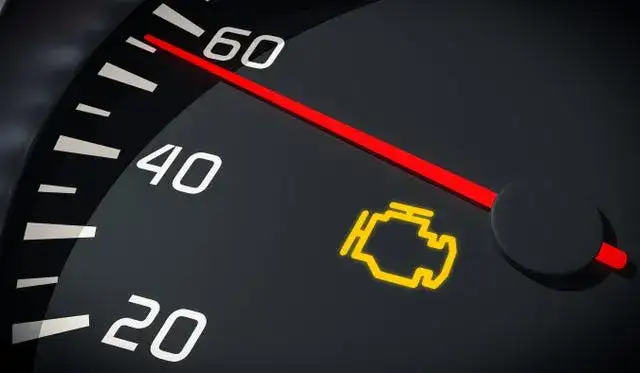
Two weeks ago, a 2020 Jetta arrived at our Lodgeville Road service center with a check engine light that had been illuminated for three months. The owner assumed it was “just a sensor” and continued driving. The actual cause was a faulty oxygen sensor causing the engine to run rich, which had damaged the catalytic converter. The converter replacement cost $1,850. The oxygen sensor that triggered the original warning? $280 installed.
The check engine light is your Volkswagen’s primary communication tool when something isn’t functioning correctly. It’s not designed to ruin your day or empty your wallet with unnecessary repairs. It’s an early warning system that, when heeded promptly, prevents the expensive failures we see every week from ignored warnings.
Many Bridgeport area VW owners see the check engine light illuminate and immediately assume the worst, or conversely, assume it’s nothing and continue driving indefinitely. The reality falls somewhere between these extremes. Understanding what the light actually means, what can trigger it, and how urgently you need to respond helps you make informed decisions rather than panicking or procrastinating.
If you’re driving Route 50 between Clarksburg and Bridgeport, navigating I-79 toward Morgantown, or commuting around Harrison County, that glowing amber engine symbol deserves your attention. This guide explains what your Volkswagen is actually telling you, which problems are urgent versus minor, and how to respond appropriately.
Understanding the Check Engine Light System
Your Volkswagen’s check engine light connects to the onboard diagnostic system (OBD-II) that monitors dozens of sensors and systems continuously. These sensors measure everything from oxygen content in exhaust gases to engine temperature, fuel mixture, emissions system function, and transmission performance.
When a sensor reading falls outside expected parameters, the system stores a diagnostic trouble code (DTC) and illuminates the check engine light. The code identifies which system triggered the warning and often provides clues about the specific malfunction.
The light itself has different behavior patterns that indicate severity:
Solid amber light means the system detected a problem that needs attention but isn’t immediately critical. You can typically drive to a service center without causing additional damage, though you shouldn’t delay unnecessarily.
Flashing check engine light indicates a severe problem, typically engine misfire that can damage the catalytic converter within minutes. Pull over safely as soon as possible and have the vehicle towed rather than driven.
Light illuminates then turns off means the system detected a temporary condition that resolved itself. The code remains stored in memory even after the light extinguishes. This often happens with loose gas caps or brief sensor glitches.
Understanding these patterns helps you gauge urgency. A flashing light demands immediate action. A solid light requires prompt attention but not necessarily emergency service. A light that comes and goes still deserves diagnosis but typically indicates a less severe issue.
Common Check Engine Light Causes in Volkswagens
Certain issues trigger check engine lights more frequently than others in VW vehicles. Understanding common causes helps you anticipate potential problems and recognize patterns.
Oxygen Sensor Failures
Oxygen sensors measure oxygen content in exhaust gases, allowing the engine computer to adjust fuel mixture for optimal efficiency and emissions. VW vehicles typically have two to four oxygen sensors depending on engine configuration.
These sensors fail gradually from exposure to high temperatures, exhaust contaminants, and age. Symptoms beyond the check engine light include reduced fuel economy (typically 10-15%), rough idle, and slightly reduced power. Sensor replacement costs $250-380 depending on which sensor fails and whether it’s upstream (before the catalytic converter) or downstream (after).
Ignoring oxygen sensor failures causes the engine to run with incorrect fuel mixture, potentially damaging the catalytic converter. The converter costs $1,200-2,200 to replace. The math strongly favors replacing failed oxygen sensors promptly.
Mass Airflow Sensor Issues
The mass airflow (MAF) sensor measures the volume and density of air entering the engine, critical information for proper fuel mixture. This sensor sits in the intake path between the air filter and throttle body.
MAF sensors fail from contamination (oil from over-oiled aftermarket air filters is a common cause), age, or damage. Symptoms include rough idle, hesitation during acceleration, and significantly reduced fuel economy. The check engine light typically illuminates with codes related to fuel mixture or airflow.
Cleaning the MAF sensor costs $45-75 and often resolves minor issues. Replacement costs $280-380. The sensor is relatively fragile; never touch the sensing elements or use incorrect cleaners.
“We see MAF sensor codes constantly in Volkswagens, particularly in vehicles with aftermarket air filters,” says Jennifer Martinez, Diagnostic Technician at our Lodgeville Road location. “Over-oiling high-performance air filters deposits oil on the MAF sensing element, causing incorrect readings. Often cleaning resolves the issue, but sometimes the contamination permanently damages the sensor. Using OEM paper filters eliminates this problem entirely.”
Evaporative Emissions System Leaks
The EVAP system prevents fuel vapors from escaping to the atmosphere. It’s a sealed system of hoses, valves, and a charcoal canister that captures vapors and routes them back into the engine for burning. Any leak in this system triggers a check engine light.
The most common cause is a loose or damaged gas cap. The cap seals the fuel tank as part of the EVAP system. If it’s not tightened properly, damaged, or missing, the system detects a leak. This is the infamous “gas cap code” (P0442, P0455, P0456, or similar).
Check your gas cap first when the light illuminates. Remove it, inspect the seal for cracks or damage, and reinstall by turning until you hear 3-4 clicks. If the light was caused by a loose cap, it should extinguish after 20-50 miles of driving. A new gas cap costs $25-40 if the seal is damaged.
More serious EVAP leaks involve cracked hoses, failed purge valves, or canister issues. These repairs range from $180-450 depending on which component failed. The system requires smoke testing to identify leak locations, which costs $120-150 for diagnosis.
Ignition System Problems
Spark plugs, ignition coils, and related components fire the fuel mixture in each cylinder. When these components fail, the engine misfires, which immediately triggers the check engine light, often in flashing mode.
Misfire symptoms are obvious: rough running, vibration, loss of power, and usually a flashing check engine light. Driving with active misfires damages the catalytic converter by sending unburned fuel into the exhaust system.
Spark plugs in VW turbocharged engines require replacement every 40,000-60,000 miles depending on the engine. The service costs $200-320 for four cylinders. Ignition coils fail individually; replacement costs $180-250 per coil. Many VW engines have individual coils for each cylinder, so a single coil failure only affects one cylinder.
Never continue driving with a flashing check engine light indicating misfire. Pull over and have the vehicle towed to prevent catalytic converter damage.
Catalytic Converter Failure
The catalytic converter reduces harmful emissions by converting pollutants into less harmful gases. This component operates at extremely high temperatures and can fail from age, contamination, or damage from engine misfires.
Converter failure symptoms include reduced power, poor acceleration (especially up hills like Route 19 toward Shinnston), rattling sounds from the exhaust, and sulfur smell. The check engine light illuminates with codes related to catalyst efficiency.
Catalytic converter replacement is expensive, ranging from $1,200-2,200 depending on the VW model and whether it’s integrated into the exhaust manifold. This is why addressing upstream problems (oxygen sensors, misfires, fuel system issues) promptly matters so much. Most converter failures result from other ignored problems.
Thermostat Malfunctions
The engine thermostat regulates coolant flow to maintain optimal engine temperature. When it fails (usually stuck open), the engine runs cooler than designed, triggering efficiency and emissions codes.
Symptoms include slow engine warm-up, poor heater performance (especially noticeable in West Virginia winters), reduced fuel economy, and check engine light. Thermostat replacement costs $220-320 including coolant.
This is a relatively simple repair that prevents more serious engine problems from prolonged operation at incorrect temperatures.
What You Should Never Do
Certain responses to check engine lights cause more harm than ignoring the warning entirely.
Never use “tune-up in a bottle” additives hoping to fix the problem chemically. These products rarely address actual issues and can damage sensors or catalytic converters. They’re marketed to people hoping for easy solutions that don’t exist.
Never clear codes without repairing the problem. Many auto parts stores offer free code reading and will clear codes if asked. Clearing the code doesn’t fix anything; it just erases the warning while the problem continues. Many states (though not West Virginia currently) prohibit vehicle inspection with codes present, even if cleared recently.
Never cover the light with tape or ignore it indefinitely. The problem causing the light won’t disappear and typically worsens. Small issues become expensive repairs through continued operation with known faults.
Never assume it’s “just” anything. Phrases like “it’s just a sensor” or “it’s just emissions stuff” minimize real problems. Sensors don’t fail for entertainment; they fail because something is wrong. Emissions systems protect expensive components like catalytic converters.
Never diagnose based solely on symptoms described by friends or internet forums. “My cousin had the same symptoms and it was the fuel pump” isn’t diagnostic information. The same symptoms can have dozens of different causes. Proper diagnosis requires reading actual codes and testing specific systems.
The Diagnostic Process Explained
Professional diagnosis follows a systematic process that identifies root causes rather than symptoms.
Code reading is the first step. We connect a professional scan tool that reads stored codes, pending codes, freeze frame data (which records sensor readings at the moment the code set), and live data streams. This provides far more information than basic code readers from auto parts stores.
Visual inspection follows code reading. We look for obvious problems: disconnected hoses, damaged wiring, fluid leaks, or other visible issues that could cause the symptoms and codes.
System testing verifies component function. If codes indicate oxygen sensor problems, we test the sensors with live data to verify they’re actually faulty rather than responding correctly to other problems. If ignition codes appear, we test spark plugs, coils, and compression.
Root cause identification distinguishes between the component that triggered the code and the underlying problem. A catalytic converter efficiency code might result from a failed converter, or it might result from an engine running rich due to other problems. Replacing the converter without addressing the rich condition wastes money.
Repair and verification completes the process. After repairs, we clear codes, road test the vehicle through various operating conditions, and verify the problem doesn’t return.
A retired teacher from Bridgeport brought their Tiguan in with a check engine light and rough idle. The codes indicated multiple cylinder misfires. Rather than immediately replacing all spark plugs and coils, we performed compression testing and found cylinder 3 had low compression from a burnt valve. Spark plugs wouldn’t have fixed this problem. The valve repair cost $1,850, but it addressed the actual issue rather than wasting money on components that weren’t faulty.
When to Seek Immediate Service
Certain situations demand immediate attention rather than scheduling service at your convenience.
Flashing check engine light always requires immediate action. Pull over safely and shut off the engine. Have the vehicle towed rather than driven. Active misfires damage catalytic converters within minutes of sustained driving.
Check engine light with loss of power, smoking, overheating, or unusual noises requires immediate attention. These symptoms indicate serious problems that worsen rapidly with continued operation.
Check engine light immediately after service or repairs suggests a problem with the recent work. Return to the shop that performed the service for diagnosis. This could be a disconnected sensor, improperly installed component, or unrelated coincidence, but it needs verification.
Check engine light with strong fuel smell inside or outside the vehicle indicates a potential fuel leak. This is a fire hazard requiring immediate attention.
Check engine light accompanied by temperature warning suggests coolant system problems. Continued operation risks engine overheating and severe damage.
When You Can Schedule Normally
Some check engine light situations allow normal scheduling without emergency service.
Solid amber light with normal vehicle operation (no performance issues, strange noises, or other symptoms) typically allows driving to a service center during normal business hours. Schedule promptly, but emergency service isn’t usually necessary.
Check engine light after refueling often indicates a loose gas cap. Tighten the cap properly and continue driving. If the light persists more than 50 miles after securing the cap, schedule diagnosis.
Check engine light that comes and goes intermittently without other symptoms suggests a borderline sensor or intermittent connection. Schedule diagnosis, but the issue isn’t typically urgent.
Annual inspection approaching with an illuminated check engine light requires service before inspection. Most states including neighboring Ohio and Pennsylvania fail vehicles with check engine lights illuminated. Schedule service with enough time before inspection deadlines.
Cost Expectations for Common Repairs
Understanding typical repair costs helps you budget and recognize unreasonable quotes.
Diagnostic time typically costs $120-150 for one hour, which covers code reading, basic system testing, and initial diagnosis. Complex problems requiring extensive testing may need additional diagnostic time.
Oxygen sensor replacement: $250-380 per sensor Mass airflow sensor replacement: $280-380 Spark plug replacement: $200-320 (four-cylinder) Ignition coil replacement: $180-250 per coil Thermostat replacement: $220-320 EVAP system repairs: $180-450 depending on component Catalytic converter replacement: $1,200-2,200
These ranges reflect quality OEM or OEM-equivalent parts and proper labor for VW vehicles. Quotes significantly below these ranges may use inferior parts. Quotes significantly above suggest either complex access issues or pricing concerns worth questioning.
Prevention Strategies
While you can’t prevent all check engine light causes, several maintenance practices reduce frequency and severity.
Follow the maintenance schedule in your owner’s manual. Timely spark plug replacement, air filter changes, and other scheduled services prevent many common codes.
Use quality fuel from reputable stations. Poor quality fuel causes issues with fuel system sensors and can trigger various codes. Top Tier gasoline (brands that meet higher detergent standards) helps keep fuel systems clean.
Address problems promptly when they arise. Small issues like rough idle or reduced fuel economy often precede check engine lights. Diagnosing and repairing problems before codes set is cheaper than waiting for failures.
Avoid aftermarket modifications that affect engine management. Aftermarket air intakes, performance chips, and exhaust modifications can trigger codes and void warranties. Stick with manufacturer-approved modifications or accept that codes may result.
Keep gas cap in good condition. Replace the cap every 3-5 years or when the seal shows cracking. This $25-40 investment prevents the most common check engine light cause.
Your 30-Day Check Engine Light Response Plan
This week: If your check engine light is currently illuminated, schedule diagnostic service immediately. Don’t delay hoping it resolves itself. If the light isn’t illuminated, verify you know where it is on your dashboard and what it looks like. Surprisingly, many drivers can’t identify their check engine light until it illuminates. Check your gas cap condition. Remove it and inspect the seal for cracks, damage, or deterioration. Replace if necessary. This simple check prevents the most common cause.
Within two weeks: Review your maintenance history and verify all scheduled services are current. Overdue spark plugs, air filters, or other maintenance items often precede check engine lights. If anything is overdue, schedule service. Purchase a basic code reader if you want the ability to read codes yourself. Quality OBD-II readers cost $30-80 and connect to your smartphone. These don’t replace professional diagnosis but provide information during initial decision-making.
By month’s end: Create a simple vehicle log (digital or paper) to track any symptoms, unusual behavior, or performance changes. Note dates, mileage, and descriptions. This information helps technicians diagnose problems faster when issues do arise. If you’ve had check engine light issues previously, review what caused them and verify the underlying problem was actually fixed rather than just the code being cleared. Document your vehicle’s normal behavior so you recognize changes early. Note typical fuel economy, how the engine sounds, how it accelerates, and normal operating temperature.
The Cost of Delayed Diagnosis
Ignoring check engine lights rarely works out favorably. The initial problem that triggered the warning typically worsens, and secondary damage often occurs from continued operation with known faults.
Oxygen sensor example:
- Immediate repair: $280
- After 3 months of driving: $280 sensor + $1,650 catalytic converter = $1,930
- Delayed cost: $1,650 additional
Misfire example:
- Immediate repair: $220 ignition coil
- After driving 200 miles with flashing light: $220 coil + $1,800 catalytic converter = $2,020
- Delayed cost: $1,800 additional
Coolant leak example:
- Immediate repair: $180 hose replacement
- After overheating episode: $180 hose + $2,800 cylinder head repair = $2,980
- Delayed cost: $2,800 additional
The pattern is consistent: prompt attention to check engine lights costs significantly less than delayed response once secondary damage occurs.
Common Myths Debunked
Myth: “The check engine light is just the car company’s way of making money on unnecessary repairs.”
Reality: The check engine light monitors real problems that affect emissions, performance, and longevity. Manufacturers face strict emissions regulations and would face penalties if their systems falsely indicated problems.
Myth: “You can drive indefinitely with a check engine light as long as the car runs normally.”
Reality: Many problems causing check engine lights worsen gradually. The car may run “normally” while the catalytic converter is being damaged or the engine is wearing prematurely.
Myth: “All check engine lights are equally serious.”
Reality: A flashing light indicating misfire is urgent. A solid light for an EVAP system leak is less critical but still needs attention. Understanding context matters.
Myth: “Once you clear the code, the problem is fixed.”
Reality: Clearing codes erases the symptom without addressing the disease. The light will return, often within minutes or days, if the underlying problem wasn’t repaired.
Myth: “Check engine lights always mean expensive repairs.”
Reality: Many causes have modest repair costs. Gas cap issues cost $25-40. Basic sensor replacements cost $250-400. Expensive repairs typically result from delayed diagnosis allowing problems to worsen.
Schedule Your Diagnostic Service Today
That Jetta owner from the opening who ignored their check engine light for three months learned an expensive lesson about the value of prompt diagnosis. After the $1,850 catalytic converter replacement, they now addresses any warning lights within days rather than months. Their vehicle now has 68,000 miles with no additional check engine light issues because they’ve maintained it properly and responded promptly when warnings appeared.
Check engine lights aren’t mysterious malfunctions designed to frustrate you. They’re your vehicle’s way of communicating problems before they become catastrophic failures. Understanding what they mean, when they’re urgent, and how to respond appropriately protects both your safety and your wallet.
Our certified Volkswagen technicians at 730 Lodgeville Road have factory diagnostic equipment and training specific to VW systems. We diagnose problems accurately rather than guessing based on codes, and we explain findings clearly so you understand what’s wrong and why repairs are necessary.
Schedule your check engine light diagnosis today by calling our service department or booking online at Volkswagen Clarksburg, 730 Lodgeville Rd, Bridgeport, WV 26330. Whether your light just illuminated today or has been glowing for weeks, proper diagnosis protects your Volkswagen from the expensive damage that results from ignored warnings.
Prompt diagnosis identifies problems early, accurate repairs fix root causes, and proper maintenance prevents most issues before they trigger warnings. That’s the reliability proper service delivers.
0 comment(s) so far on Check Engine Light On? What Your Volkswagen Is Telling You