


Best VW Services for Preventing Winter Breakdowns
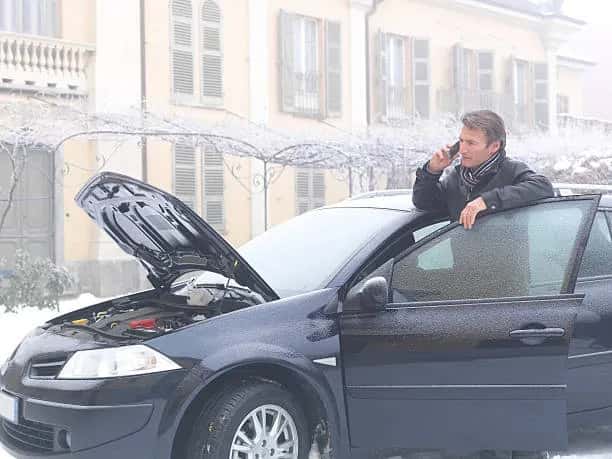
Last January, a 2018 Volkswagen Tiguan owner was driving her family to Snowshoe Mountain for a weekend ski trip when the vehicle suddenly lost all electrical power on Route 33 near Elkins. The temperature was 12 degrees, and they were 40 miles from the nearest town. The battery, which had tested “marginal” during her oil change two months earlier, had finally failed under the stress of extreme cold. Emergency roadside service to that remote mountain location took 2.5 hours and cost $285. The battery replacement was $195, and the family lost half their vacation day sitting in a cold vehicle waiting for help. Total impact including wasted lift tickets and lodging: over $600. Battery replacement during the October service appointment when testing showed marginal capacity? $195, completed in 30 minutes, preventing the breakdown entirely.
That Tiguan owner learned what hundreds of West Virginia drivers discover every winter: components and systems that seem adequate during moderate weather fail catastrophically when temperatures plummet and road conditions deteriorate. Clarksburg sits in the Appalachian highlands where winter means sustained periods below 20 degrees, lake-effect snow from the Great Lakes, ice storms, and the salt and chemicals that WVDOT applies aggressively to keep mountain roads passable.
Your Volkswagen was engineered in Germany where winter preparation is serious business and where vehicles routinely face conditions as harsh as or harsher than West Virginia’s climate. VW’s engineering provides excellent cold-weather capability, but only when systems are properly maintained. Neglecting winter-specific services doesn’t just risk inconvenience—it can leave you stranded in dangerous conditions where help might be hours away and exposure to elements creates genuine safety concerns.
This guide covers the most critical services every Volkswagen needs before winter arrives, what each service prevents, and how proper preparation protects both your vehicle and your family throughout West Virginia’s demanding winter season.
Battery Testing and Replacement: Your Critical First Priority
Battery failure is the single most common winter breakdown, and it’s entirely preventable through proper testing and proactive replacement. Cold weather devastates automotive batteries through a combination of reduced capacity and increased starting demands that creates an impossible situation for marginal batteries.
Comprehensive battery testing includes load testing that simulates actual starting conditions, not just voltage measurement that shows whether the battery has charge. A load test applies substantial current draw while monitoring voltage drop, revealing whether the battery can deliver adequate cranking power during subzero starts. This test costs $25-40 and predicts winter performance far more accurately than simple voltage checks.
Cold cranking amp (CCA) measurement indicates the battery’s ability to deliver current at zero degrees for 30 seconds while maintaining minimum voltage. As batteries age, their CCA rating decreases even if voltage seems acceptable. A battery that meets its original CCA specification should handle West Virginia winters reliably. A battery testing below specification will likely fail when temperatures drop into single digits or below zero.
Battery age is the strongest predictor of winter reliability. Automotive batteries typically last 3-4 years in West Virginia’s climate, with extreme temperature cycling accelerating degradation beyond what moderate climates cause. If your battery is approaching 4 years old as winter approaches, replace it proactively regardless of test results. The modest cost of replacement beats emergency service on a subzero night.
Terminal cleaning and protection prevents starting failures from corrosion rather than actual battery weakness. Corroded terminals create electrical resistance that reduces current flow, making even healthy batteries seem weak. Clean terminals with a wire brush, apply dielectric grease or terminal protector, and verify all connections are tight. This 10-minute maintenance ensures maximum electrical conductivity.
Alternator output verification ensures the charging system maintains battery health. An alternator producing weak voltage (below 13.8 volts) won’t recharge the battery properly, leading to chronic undercharging that eventually causes failure. Alternator testing takes 10-15 minutes during routine service and identifies problems before they cause battery damage.
“I tell every customer in October the same thing: if your battery is over three years old or if testing shows anything less than excellent condition, replace it before winter,” says David Thompson, Service Manager at our Lodgeville Road location. “The difference between proactive replacement at $195 and reactive replacement after roadside failure is $200-300 in emergency service charges, plus hours of your time, plus the stress and potential danger of being stranded. Every single winter we get calls from customers who declined battery replacement in October, and now they’re sitting in a parking lot or on a roadside in 15-degree weather with a dead battery. It’s the most preventable breakdown we see, yet it happens constantly because people gamble that their marginal battery will last one more winter.”
Cooling System Service and Antifreeze Protection
Your Volkswagen’s cooling system must protect against both summer overheating and winter freezing. Proper antifreeze concentration and system integrity are essential for reliable winter operation and preventing expensive engine damage from freezing.
Coolant freeze protection testing verifies that your antifreeze mixture provides adequate protection for West Virginia winter temperatures. Standard 50-50 coolant mixtures protect to -34°F, which is adequate for most conditions we experience. However, if testing shows marginal protection (only to -20°F or -15°F), the mixture needs correction or full system service.
Coolant condition degrades over time as corrosion inhibitors deplete and contaminants accumulate. Old coolant can’t transfer heat as effectively and loses freeze protection. VW specifies coolant replacement intervals varying by model, typically 4-6 years or 40,000-80,000 miles depending on coolant type. If your coolant service is approaching or overdue, complete it before winter.
Pressure testing identifies leaks in the cooling system that will worsen dramatically during winter temperature cycling. Small leaks that merely seep during summer can fail catastrophically when coolant freezes and expands, forcing its way through compromised seals or hoses. Pressure testing costs $40-60 and reveals problems before they cause roadside failures.
Hose and clamp inspection catches deteriorating components before failure. Coolant hoses degrade from heat cycling and ozone exposure. Squeeze accessible hoses checking for soft spots, bulges, cracks, or excessive hardness—any indicate approaching failure. Replace suspect hoses before winter rather than gambling they’ll survive the season. A $45 hose replacement beats a $300 tow and overheating damage.
Thermostat function determines how quickly your engine reaches operating temperature and whether it maintains proper temperature during winter driving. A thermostat stuck open causes slow warmup and weak heater output during winter—annoying inconveniences that also reduce fuel economy and increase engine wear. Thermostat replacement during scheduled service costs $180-250 and ensures proper engine temperature management.
Water pump inspection identifies bearing wear or seal leakage before catastrophic failure. Modern VW engines often use water pumps driven by the timing belt, meaning water pump replacement during timing belt service is economically sensible since the same disassembly is required. Water pump failure during winter can leave you stranded with an overheated engine.
A Jetta owner from Bridgeport ignored a small coolant leak visible as dampness on the garage floor, planning to address it “eventually.” During a cold snap in January when temperatures dropped to -5 degrees, the leak worsened dramatically as the hose connection had been compromised by corrosion. Overnight, her vehicle lost enough coolant that the engine overheated during her morning commute. The overheating caused head gasket damage requiring $1,800 in repairs. The original hose and clamp replacement would have cost $65, but ignoring the problem until winter cold exposed the weakness caused exponential damage.
Tire Service: Traction for Winter Roads
Tires are your Volkswagen’s only contact with snow- and ice-covered roads, making proper tire selection and maintenance absolutely critical for safe winter driving in West Virginia’s challenging conditions.
All-season tire assessment determines whether your current tires provide adequate winter traction. All-season tires lose significant grip on snow and ice when tread depth drops below 6/32 inch, even though legal minimum is 2/32 inch. Check tread depth using a tread gauge or the quarter test: insert a quarter into the tread groove with Washington’s head pointing down. If you can see the top of Washington’s head, tread is at or below 4/32 inch—time for replacement before winter.
Winter tire installation transforms your Volkswagen’s winter capability dramatically. Winter tires use rubber compounds that remain flexible below 45°F, maintaining grip when all-season tires have stiffened. Aggressive tread patterns with thousands of sipes create mechanical grip on snow and ice that all-season tires can’t match. The traction improvement is dramatic: 30-50% better grip on snow and ice compared to all-season tires.
For West Virginia’s winter conditions with frequent snow, ice, and mountain grades, winter tires are the single most effective safety upgrade available. A set of four winter tires mounted on steel wheels costs $600-900 total, and the investment pays for itself through accident prevention while extending your all-season tire life by removing them from service during the most damaging months.
Tire pressure monitoring becomes critical in winter as temperature drops. Pressure decreases approximately 1 PSI for every 10-degree temperature drop. Tires inflated to 35 PSI in September at 70 degrees will measure only 30 PSI in January at 20 degrees. Under-inflated tires reduce traction, decrease fuel economy, and increase damage risk. Check pressure weekly during winter using a quality digital gauge.
Tire age matters even if tread looks adequate. Rubber compounds degrade from UV exposure and ozone over time, losing flexibility and grip. Tires over 6 years old should be replaced before winter regardless of remaining tread. Check the DOT code on the sidewall—the last four digits indicate week and year of manufacture (e.g., “2618” = 26th week of 2018).
Wheel alignment verification ensures tires maintain proper contact with the road surface. Misalignment causes uneven tire wear and reduces traction, particularly problematic during winter when maximum grip is essential. If your Volkswagen pulls to one side, steering isn’t centered, or tires show uneven wear, alignment service is necessary before winter.
Brake System Inspection and Service
Winter driving demands maximum brake effectiveness for safely navigating snow-covered roads, ice, and the increased stopping distances that winter conditions create. Several brake services ensure optimal winter performance.
Brake pad and rotor inspection reveals whether components have adequate material remaining for winter’s demanding conditions. Pads below 4mm thickness should be replaced before winter, as the sustained braking on mountain grades and slippery conditions consumes remaining material rapidly. Rotors with severe wear, grooving, or warping compromise braking effectiveness and should be replaced or resurfaced.
Brake fluid service is critical for winter safety because degraded fluid can cause brake failure during temperature extremes. Brake fluid absorbs moisture over time, which lowers its boiling point dramatically. While this matters most during summer heat, moisture-contaminated fluid can also freeze at extreme temperatures, and the water content corrodes internal brake components.
VW specifies brake fluid replacement every 2-3 years depending on model. If your fluid is approaching this interval, service it before winter. Brake fluid service costs $120-160 and provides critical safety protection. Testing fluid moisture content using electronic testers provides precise condition assessment—fluid with 3% moisture or more needs replacement.
Brake hose and line inspection identifies deterioration before failure. Flexible brake hoses degrade over time and can burst, causing immediate loss of braking on that circuit. Hardened steel brake lines corrode from salt exposure, particularly in West Virginia where aggressive winter road treatment attacks metal components. Any damaged hoses or corroded lines require replacement before winter.
Parking brake function verification ensures the brake can hold the vehicle on steep inclines common in West Virginia. Test parking brake effectiveness on a steep residential street—the vehicle should hold firmly without rolling. Weak parking brakes need adjustment or component replacement before winter when steep, slippery driveways and mountain parking become routine.
Anti-lock brake system (ABS) function must be verified as operating correctly. ABS is essential for maintaining steering control during emergency stops on slippery surfaces. If the ABS warning light illuminates or if you notice pulsing through the brake pedal during normal stops, the system requires diagnosis before winter.
Oil Change with Winter-Grade Oil
Engine oil provides lubrication, cooling, and cleaning, and proper oil service with winter-appropriate viscosity ensures reliable cold-weather starting and protection.
Oil change timing relative to winter matters because fresh oil provides optimal protection during demanding cold-weather conditions. If your next oil change is due within 1,000 miles or 60 days, complete it in October before winter weather arrives. Fresh oil with proper additives protects better than oil approaching the end of its service life.
Winter viscosity selection ensures adequate oil flow during cold starts. VW typically specifies 0W-20, 0W-30, 5W-30, or 5W-40 synthetic oil depending on engine and model year. The first number indicates cold-temperature flow—0W flows more readily at subzero temperatures than 5W. If you’re using 5W-30 and frequently experience temperatures below 10°F, consider switching to 0W-30 for improved cold-start protection.
Synthetic oil is mandatory for modern VW engines and provides superior cold-weather performance compared to conventional oil. Synthetic maintains proper viscosity across wider temperature ranges and flows more readily during cold starts, reducing the critical first seconds of operation when most engine wear occurs.
Oil filter quality matters for winter protection. Use VW OEM filters or premium aftermarket filters meeting VW specifications. Budget filters may use inferior filtration media or bypass valves that don’t function properly in extreme cold, allowing unfiltered oil to circulate during cold starts.
Oil level verification before winter ensures adequate oil for proper engine protection. Check the dipstick with the engine cold and vehicle on level ground. Oil should be between MIN and MAX marks. If it’s at or below MIN, add oil immediately. Low oil reduces both lubrication and the oil’s ability to absorb and transfer heat.
Wiper Blade and Washer System Service
Visibility is critical for safe winter driving, and your wiper and washer systems must function flawlessly through snow, ice, and the salt spray that coats windshields constantly during West Virginia winters.
Winter wiper blade installation should happen in November before the first winter weather arrives. Winter blades use beam design with rubber boots covering the entire frame structure, preventing snow and ice from freezing in pivot points. The rubber compound remains flexible below zero degrees, maintaining proper windshield contact when standard blades would be too stiff to work effectively.
Quality winter blades cost $35-60 per pair and last 2-3 winter seasons if removed and stored during summer. Brands like Bosch Icon Winter, Michelin Stealth Ultra, and Rain-X Latitude Winter provide reliable performance in West Virginia’s conditions. Don’t attempt to make standard blades work through winter—they’ll fail when you need them most.
Windshield washer fluid replacement with winter-grade fluid is essential for maintaining cleaning capability throughout winter. Standard or “summer blend” washer fluid freezes at temperatures we experience regularly from December through February. Once frozen, you have no windshield cleaning capability and risk damage to the reservoir and pump from ice expansion.
Use premium winter washer fluid rated to -20°F or lower. Fill the reservoir completely—winter driving uses substantially more washer fluid than summer driving due to constant salt spray coating the windshield. A gallon of premium winter fluid costs $4-8, trivial compared to the visibility protection it provides.
Washer nozzle cleaning ensures proper spray pattern. Clogged nozzles spray weakly or miss the windshield entirely. Use a pin or fine wire to clear debris from nozzle orifices, but be gentle to avoid damaging the nozzle opening. Proper spray pattern is essential for clearing the windshield quickly during winter driving.
Rear wiper service for SUVs and wagons includes blade replacement and washer function verification. The rear window collects road spray during winter driving, making the rear wiper essential for backing safely. Replace rear blades simultaneously with front blades and verify washer fluid reaches the rear window adequately.
Battery Terminal and Electrical Connection Service
Beyond the battery itself, electrical connections throughout your Volkswagen require service to ensure reliable winter operation when cold temperatures increase electrical resistance.
Battery terminal cleaning removes corrosion that creates resistance reducing current flow. Even slight corrosion can prevent adequate current from reaching the starter motor, creating symptoms identical to a weak battery. Clean terminals with a wire brush until bare metal is visible, then coat with dielectric grease or terminal protector spray.
Ground connection inspection verifies clean, tight connections between the battery and vehicle chassis. Poor ground connections cause exactly the same starting problems as weak batteries. The negative battery cable connects to multiple ground points on the engine and chassis—all must be clean and tight for optimal electrical conductivity.
Alternator belt inspection identifies wear before failure. Modern VWs use serpentine belts driving multiple accessories including the alternator. Belt failure means loss of charging, quickly draining the battery. Inspect belts for cracking, fraying, glazing, or excessive wear. Replace belts showing any of these conditions before winter.
Electrical system diagnostic scan identifies stored fault codes indicating sensor problems, module issues, or other electrical concerns that could cause winter starting difficulties. Modern VWs have sophisticated electrical systems with multiple control modules, and problems in one area can affect starting and operation. A diagnostic scan costs $80-120 and reveals issues before they cause failures.
Cabin electrical load testing verifies that accessories aren’t creating excessive parasitic drain. Multiple electrical accessories continuing to draw current when the vehicle is off can discharge the battery overnight, creating starting failures that mimic battery problems. If your VW repeatedly has dead battery issues despite testing showing the battery is healthy, parasitic drain diagnosis is necessary.
Heating and Defrost System Verification
Your Volkswagen’s heating and defrost systems are essential for both comfort and safety during winter driving. Several services ensure these systems operate at maximum effectiveness.
Coolant system service directly affects heater output because cabin heat comes from engine coolant flowing through the heater core. Low coolant level, trapped air, or poor coolant flow reduces heating effectiveness. If your heater seems weak, coolant system diagnosis is necessary before winter.
Cabin air filter replacement ensures maximum airflow through the heating and defrost system. Clogged filters restrict airflow by 50% or more, reducing heating effectiveness and slowing windshield defrosting. VW specifies cabin air filter replacement every 20,000-30,000 miles or annually—complete this service before winter for optimal climate system performance.
Blower motor function verification ensures the fan moves adequate air volume at all speed settings. A failing blower motor may work intermittently or only at certain speeds, compromising your ability to heat the cabin or defrost windows. Any blower motor irregularities require diagnosis before winter.
Defrost function testing verifies that air direction doors operate correctly and that all windshield vents deliver strong airflow. The defrost mode should direct maximum heated airflow to the windshield while activating the air conditioning compressor to remove moisture. If defrost doesn’t clear the windshield quickly, diagnosis is necessary.
Climate control programming verification ensures the system’s various control modules communicate correctly and respond properly to inputs. Modern VW climate systems use electronic controls that can develop programming issues requiring software updates. If your climate control behaves erratically, dealer diagnosis with factory scan tools may be necessary.
Your 30-Day Winter Preparation Action Plan
Week 1 (Early October): Schedule comprehensive winter preparation service at our dealership including battery load testing, coolant system pressure test and freeze protection verification, brake system inspection with fluid moisture testing, tire condition assessment with tread depth measurement, oil change with winter-grade oil, and complete safety inspection of belts, hoses, lights, and wiper systems. Request that technicians specifically check for any issues that could cause winter breakdowns.
Week 2: Address all recommended repairs and service from the comprehensive inspection. Don’t postpone battery replacement, brake service, coolant system repairs, or tire replacement hoping components will “make it through winter.” These gambles frequently result in expensive roadside failures. Purchase winter wiper blades and winter washer fluid, installing blades and filling the reservoir completely.
Week 3: If you’ve decided to install winter tires, have them mounted and balanced on dedicated wheels for easy seasonal swapping. Store your all-season tires properly until spring. Verify that your vehicle’s emergency kit includes winter-specific supplies: blanket, flashlight, first aid kit, jumper cables or portable jump starter, snow brush and ice scraper, and basic tools.
Week 4 (Late October/Early November): Perform final visual verification of all systems. Check that winter wiper blades are installed, washer reservoir is full with winter fluid, tire pressure is correct for cold temperatures, no warning lights are illuminated, and all lights work correctly. Review your VW’s owner’s manual sections on cold-weather operation and safety systems to refresh your understanding of features you’ll need during winter.
This 30-day preparation routine ensures every critical system is winter-ready before challenging conditions arrive. The investment in preventive service typically costs $400-700 depending on what services your specific vehicle needs, but this prevents the breakdowns that cost $500-1,500 in emergency service, repairs, and lost time.
Schedule Your Winter Preparation Service Today
West Virginia winters don’t forgive inadequate preparation. The combination of subzero temperatures, mountain grades, ice storms, and aggressive road salt treatment creates conditions that expose every weakness in vehicle maintenance. Your Volkswagen was engineered to handle these conditions confidently, but engineering alone isn’t enough—proper maintenance is essential for the reliability VW designed into your vehicle.
Our certified Volkswagen technicians understand exactly what West Virginia winter demands from your vehicle. We use VW-specific diagnostic equipment, genuine VW parts, and factory-specified service procedures to ensure your vehicle receives the care it deserves. Our winter preparation service is comprehensive, addressing every system that affects cold-weather reliability and safety.
Schedule your winter preparation service today by calling our service department or booking online. We’re located at 730 Lodgeville Road in Bridgeport, easily accessible from I-79, Route 50, and Route 58. Don’t wait until the first snowstorm or subzero cold snap reveals that your VW wasn’t ready for winter. Schedule now and ensure reliable transportation throughout West Virginia’s demanding winter season.
Proper winter preparation prevents breakdowns, ensures safety, and provides the confidence that your Volkswagen will deliver the reliable performance you depend on regardless of how challenging conditions become. That’s the standard your VW was built to meet. ❄️🔧
0 comment(s) so far on Best VW Services for Preventing Winter Breakdowns