


Appalachian Pothole Season: Protecting VW Alloy Wheels & Low-Profile Tires on Harrison County Roads
Key Takeaways
- Freeze-thaw cycles are the primary culprit behind Harrison County’s worst pothole seasons, and they hit hardest from late winter into early spring
- Low-profile tires, common on many trim levels, offer less cushion between a pothole and your wheel, making impact damage more likely than on vehicles with taller sidewalls
- Alloy wheels can crack, bend, or develop slow leaks from a hard pothole strike even when there’s no visible damage to the tire itself
- A quick alignment and wheel inspection after a hard impact costs far less than replacing a cracked wheel or dealing with premature tire wear down the road
If you’ve driven along Route 50 or through downtown Clarksburg any time between January and April, you already know the drill. The pavement that looked fine in December is suddenly littered with potholes deep enough to rattle your fillings. A post-impact alignment check runs somewhere in the fifty to eighty dollar range, while a cracked alloy wheel that needs replacement can run several hundred dollars once you factor in the wheel itself and a new tire.
Harrison County’s pothole problem isn’t random bad luck. It’s a direct result of the freeze-thaw cycle that defines Appalachian winters. Water seeps into small cracks in the pavement, freezes overnight, expands, and pushes the asphalt apart. When temperatures climb back above freezing during the day, that expanded gap becomes a weak spot, and repeated cycles of freezing and thawing eventually cause the pavement to crumble away entirely. Roads like Route 50, Route 20, and the secondary roads winding through Bridgeport and greater Clarksburg take a beating every single year, and the potholes that result can be deep enough to do real damage to a vehicle traveling at normal speed.
Local paving crews do their best to keep up, but patchwork repairs often can’t outrun the pace of a bad freeze-thaw winter. It’s common to see the same stretch of road patched two or three times in a single season, only for new cracks to open up nearby once the next cold snap moves through. For drivers, that means pothole season isn’t a single event to brace for but a stretch of months where road conditions can change from one week to the next.
Why Low-Profile Tires Make This Season Riskier
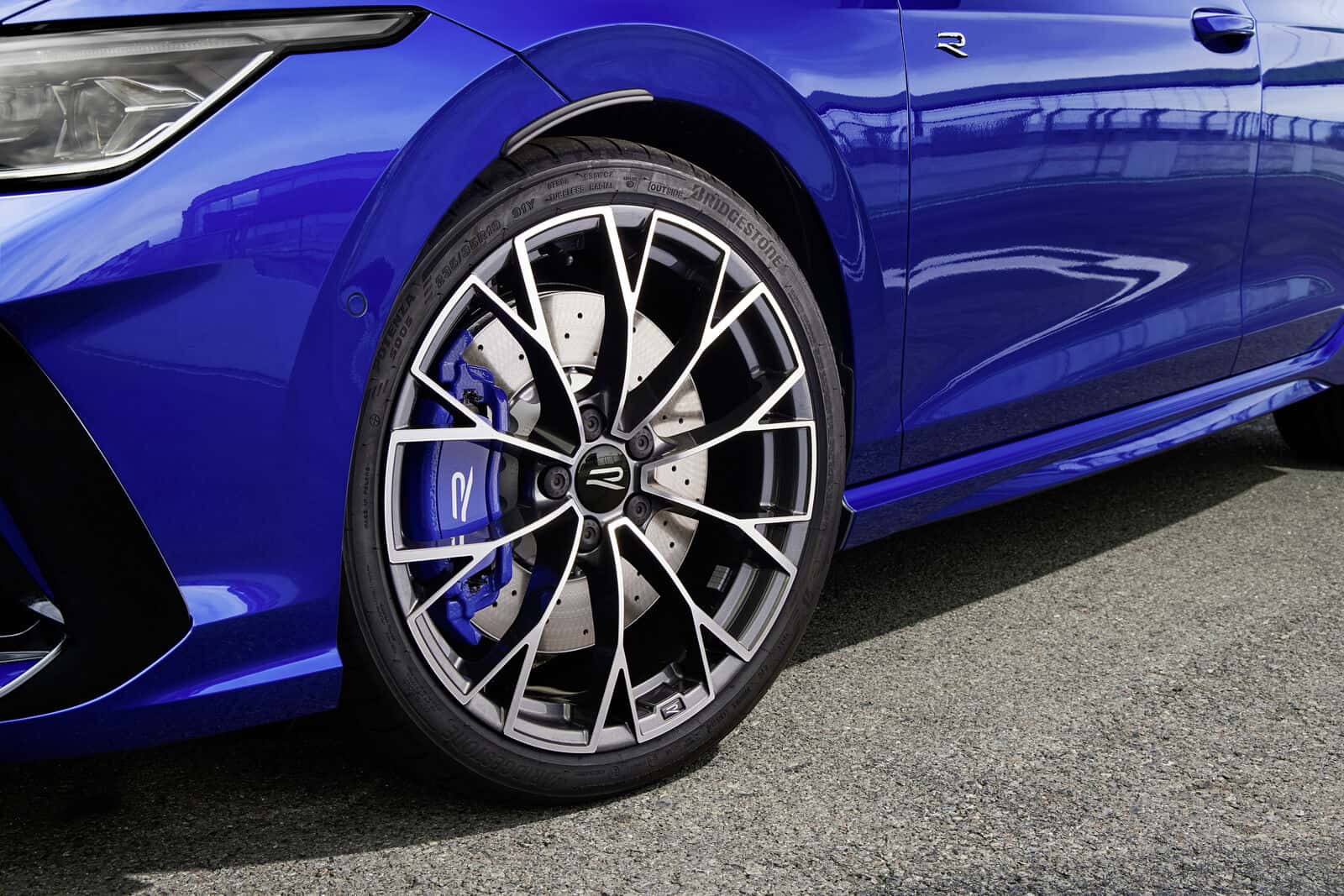
Volkswagen trims equipped with larger wheels and lower-profile tires look sharp and handle well, but that shorter sidewall comes with a tradeoff during pothole season. A taller sidewall acts like a cushion, absorbing some of the impact when a tire drops into a pothole and giving the wheel itself some protection. A low-profile tire has far less rubber between the road and the wheel, which means more of that impact energy transfers directly to the alloy wheel rather than being absorbed by the tire.
Trevor Marsh, a technician at our Clarksburg service center, says he sees a predictable spike in wheel and tire related visits every year once pothole season hits its stride. He explains that a hard hit doesn’t always show obvious damage right away. Sometimes a wheel takes a hairline crack that isn’t visible without a close inspection, or a bend that’s subtle enough not to affect how the car drives at first but eventually leads to a slow air leak or uneven tire wear. He recommends that anyone who hits a pothole hard enough to feel it in the steering wheel get the wheel and tire looked at soon afterward, even if nothing seems obviously wrong.
Tire pressure plays a bigger role in pothole resistance than most drivers realize. An underinflated tire has less structural rigidity, which means it flexes more when it drops into a pothole and offers less protection to the wheel underneath. Trevor recommends checking tire pressure monthly during pothole season, since properly inflated tires absorb impact more effectively and reduce the chances of a hard strike translating into wheel damage. Cold winter mornings can also drop tire pressure several pounds below the recommended level, which makes regular checks even more important once temperatures start swinging.
What a Hard Pothole Strike Can Actually Do
The damage from a bad pothole hit isn’t limited to the tire and wheel. Depending on the severity of the impact, the effects can ripple through the suspension and alignment as well.
- Cracked or bent alloy wheels, which can cause a slow air leak even if the tire itself is undamaged
- Sidewall bulges or bubbles, a sign of internal tire damage that can lead to a sudden blowout later
- Misaligned suspension components, which shows up as the vehicle pulling to one side or uneven tire wear over time
- Bent tie rods or damaged control arms in more severe impacts, which affects handling and steering response
Holly Prunty, a service advisor here at the dealership, says one of the most common mistakes she sees is customers waiting to get a vehicle checked out because it still seems to drive fine after a pothole hit. She points out that a lot of alignment and suspension damage doesn’t announce itself immediately. It shows up gradually as uneven tire wear over the following weeks, by which point the tire may already need replacing on top of whatever alignment work is required. Catching it early, even when nothing feels obviously wrong, tends to be the difference between a routine adjustment and a more involved repair.
When a wheel does sustain damage, the repair path depends on how severe the strike was. A minor bend can sometimes be corrected through wheel straightening, which is generally less expensive than a full replacement, provided the wheel hasn’t cracked. A cracked wheel, on the other hand, isn’t something that can be safely repaired. Structural integrity matters too much at highway speed, so a cracked alloy wheel needs to be replaced outright rather than patched. That’s part of why an inspection soon after a hard impact matters. Catching a hairline crack early means the difference between a straightening job and a full wheel replacement paired with a new tire.
Reading the Warning Signs After You’ve Hit a Pothole
Not every pothole strike requires an immediate trip to the service center, but certain signs shouldn’t be ignored. A vehicle that suddenly pulls to one side, a steering wheel that isn’t centered when driving straight, a new vibration at highway speed, or a tire that seems to be losing air faster than normal are all reasons to have things checked out. Trevor notes that vibration is often the first sign of a bent wheel, since even a small amount of imbalance introduced by an impact can become noticeable once you’re up to speed on Route 50 or I-79.
Harrison County’s terrain doesn’t do drivers any favors here either. The hilly, winding nature of roads throughout Bridgeport and Clarksburg means potholes often sit right around blind curves or just past the crest of a hill, giving drivers less time to react and steer around them compared to a straight, flat stretch of road. That makes a certain amount of pothole contact almost unavoidable during the worst months of the season, which is exactly why periodic inspection matters more here than it might in flatter parts of the state.
Driving habits can also make a real difference in how much damage a pothole ultimately causes. Slowing down before impact, rather than braking hard directly over a pothole, reduces the force transferred to the wheel and suspension. Braking mid-pothole tends to shift extra weight onto the front wheels right as they’re absorbing the impact, which compounds the stress on the wheel and tire. Easing off the brake just before the pothole and letting the suspension do its job tends to result in less damage than a hard, late brake.
- Have your alignment checked if the vehicle pulls to one side or the steering wheel sits off-center
- Get wheels visually inspected for cracks or bends after any hard pothole impact, even without obvious symptoms
- Watch for a new vibration at highway speed, which often signals a bent wheel or wheel imbalance
- Keep an eye on tire pressure, since a slow leak from a cracked wheel can be gradual enough to go unnoticed for weeks
- Check tire inflation regularly through the winter months, since underinflated tires absorb pothole impacts poorly
Pothole season in Harrison County isn’t going anywhere, but a little vigilance goes a long way toward keeping your Volkswagen’s wheels and tires in good shape through it. Volkswagen Clarksburg, located at 730 Lodgeville Rd, Bridgeport, WV 26330, is glad to take a look after a rough pothole encounter or as part of routine seasonal maintenance, whether that means a quick alignment check, a tire pressure review, or a closer inspection of a wheel you’re not quite sure about. Better to catch it now than to find out the hard way on a stretch of Route 50 next month.
0 comment(s) so far on Appalachian Pothole Season: Protecting VW Alloy Wheels & Low-Profile Tires on Harrison County Roads