


2026 Volkswagen Tiguan SEL R-Line Turbo: What Service Needs You Should Know
Last month, a 2024 Tiguan SEL R-Line owner brought their vehicle in at 28,000 miles complaining of reduced power and occasional hesitation. They’d been treating their turbocharged performance SUV like a standard model, following basic 10,000-mile oil change schedules and skipping recommended turbo-specific services. During inspection, we found carbon buildup on intake valves from extended intervals, turbocharger showing early bearing wear, and DSG transmission fluid degraded beyond specification. The comprehensive service cost $1,480. Following turbo-specific maintenance from the beginning? Would have cost $920 spread across proper intervals with no component wear concerns.
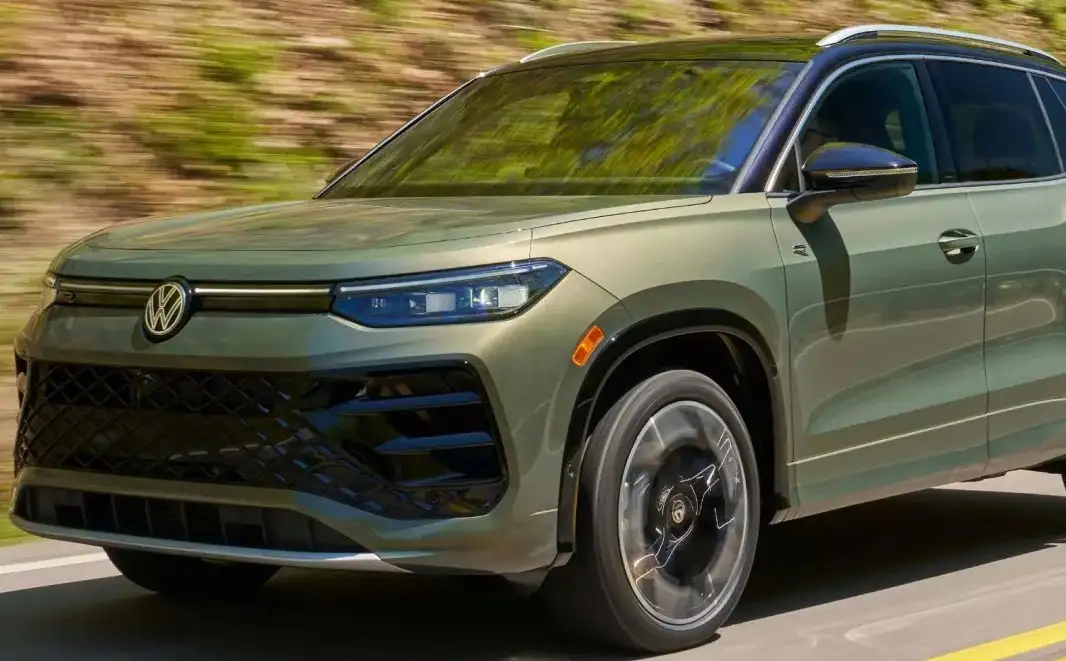
If you’re driving the new 2026 Volkswagen Tiguan SEL R-Line around Bridgeport, you’ve invested in VW’s most powerful and sophisticated Tiguan variant. The turbocharged 2.0-liter engine producing 201 horsepower, sport-tuned suspension, R-Line performance enhancements, and premium technology features create a driving experience that elevates the Tiguan from practical family SUV to engaging performance crossover.
But this performance and sophistication come with specific maintenance requirements that differ from standard Tiguan models. The turbocharged engine needs more frequent service, the DSG transmission requires particular attention, and the advanced technology systems need specialized care. Understanding what your SEL R-Line Turbo actually needs prevents the expensive failures we see from owners who treat performance vehicles like economy cars.
This matters especially in West Virginia, where our mountain terrain, temperature extremes, and challenging conditions stress turbocharged performance vehicles more than flat-land commuting. Proper maintenance specific to your R-Line Turbo ensures the performance and reliability you invested in remains consistent throughout your ownership.
What Makes the R-Line Turbo Different
Understanding how the SEL R-Line Turbo differs from standard Tiguan models helps you appreciate why it requires different maintenance approaches and specific care procedures.
The turbocharged 2.0-liter TSI engine produces 201 horsepower through sophisticated engineering including direct fuel injection, variable valve timing, and turbocharger boost. This power density (over 100 horsepower per liter) creates tremendous stress on engine oil, cooling systems, and internal components. The turbocharger spins at over 170,000 RPM, generating heat exceeding 1,400 degrees Fahrenheit while depending entirely on engine oil for cooling and lubrication.
Your turbo’s bearings operate in extreme conditions where oil must maintain exact viscosity and protective properties. When oil ages beyond its service life or if you use incorrect specifications, the turbo experiences accelerated wear leading to failures costing $3,500-4,500 to repair. This makes proper oil maintenance absolutely critical for turbo longevity.
“The R-Line Turbo owners who never have problems are the ones who understand their vehicle isn’t a standard Tiguan,” says David Kowalski, Service Manager at our Lodgeville Road location. “They follow turbocharged engine service intervals, use premium fuel exclusively, and address recommendations during routine service. The owners treating R-Line Turbos like base models start experiencing performance issues and expensive repairs by 60,000 miles. The vehicle’s capability requires corresponding care.”
The DSG dual-clutch transmission shifts faster than traditional automatics while handling the turbo engine’s full torque. This sophisticated transmission uses two separate clutch packs operating in transmission fluid that must maintain precise friction properties. The rapid shifts and high torque loads generate heat that breaks down fluid faster than in conventional automatics.
DSG fluid service at appropriate intervals is non-negotiable for long-term reliability. The fluid maintains proper clutch engagement and smooth shifts. When fluid degrades, shift quality deteriorates and clutch wear accelerates. We see DSG failures regularly on R-Line models where owners extended fluid service beyond recommendations, requiring $4,000-6,000 transmission replacements.
Sport-tuned suspension with R-Line-specific damping and springs provides the engaging handling that makes the R-Line special. This suspension uses specific components and settings that require inspection and maintenance appropriate for performance-oriented driving. The suspension experiences more stress from spirited driving than standard Tiguan suspensions see during conservative operation.
Advanced technology features including Digital Cockpit Pro, premium navigation, and enhanced driver assistance systems all require software maintenance, calibration verification, and specific care procedures. These systems represent substantial portions of your R-Line’s value and require attention beyond what standard Tiguan technology needs.
Turbocharged Engine Service Requirements
Your 2026 Tiguan SEL R-Line Turbo’s engine requires specific maintenance intervals and procedures that differ from naturally-aspirated engines. Understanding these requirements prevents the turbo failures and engine problems that result from inadequate care.
Oil changes every 6,000-7,500 miles maximum for turbocharged performance driving. While VW’s standard schedule suggests 10,000 miles under ideal conditions, turbocharged engines operating in West Virginia’s challenging terrain need more frequent service. The constant turbo operation, mountain driving loads, and temperature extremes all stress oil beyond what the 10,000-mile interval assumes.
Use only synthetic oil meeting VW 502 00 or 508 00 specifications. These specifications include additives specifically formulated for turbocharged direct injection engines. The oil must handle extreme temperatures, resist breakdown from boost operation, and protect high-pressure fuel system components. Generic synthetic oil that “meets industry standards” doesn’t provide the protection your turbo engine requires.
Premium fuel exclusively is non-negotiable for your turbocharged engine. The engine management system was calibrated around 91+ octane fuel to safely produce 201 horsepower. Using regular 87 octane fuel forces the computer to retard ignition timing dramatically to prevent engine-destroying detonation. This timing reduction eliminates the performance you bought the R-Line for while increasing the carbon buildup that requires expensive cleaning.
Using regular fuel doesn’t save money. The reduced efficiency from retarded timing often negates the per-gallon savings, while the accelerated carbon accumulation creates $580-680 cleaning needs by 40,000-60,000 miles. Premium fuel costs slightly more per gallon but protects your engine and maintains the performance justifying the R-Line investment.
Carbon cleaning service between 40,000-60,000 miles addresses the intake valve deposits that direct injection engines develop. Without fuel washing over intake valves, carbon accumulates from crankcase vapors and exhaust gas recirculation. This buildup causes rough idle, reduced power, and potential misfires requiring professional walnut blasting to remove.
R-Line Turbos driven with proper oil maintenance and premium fuel extend this interval toward 60,000 miles. Models with extended oil changes or regular fuel often need cleaning by 40,000 miles. The service costs $580-680 but restores smooth operation and proper power delivery.
Spark plug replacement at 60,000 miles maintains proper ignition under boost conditions. Turbocharged engines stress spark plugs more than naturally-aspirated engines through higher cylinder pressures and temperatures. Worn plugs create weak ignition that causes misfires, reduces power, and can damage catalytic converters worth $1,500-2,000 to replace.
Use only VW-specified spark plugs designed for turbocharged applications. Generic plugs might fit physically but don’t provide the performance or longevity your engine requires. Genuine VW plugs ensure proper ignition under all boost levels and operating conditions. 🔧
A 2024 Tiguan R-Line owner came to us last fall after experiencing reduced power and rough idle at 45,000 miles. They’d been using regular fuel and extending oil changes to 11,000 miles. During inspection, we found severe carbon buildup requiring cleaning, spark plugs worn beyond specification, and the turbocharger showing concerning wear patterns. The comprehensive service cost $1,680 and addressed immediate issues, but the turbo wear from inadequate care meant monitoring would be necessary going forward.
DSG Transmission Maintenance
Your R-Line Turbo’s DSG dual-clutch transmission requires specific maintenance at intervals shorter than conventional automatics. Understanding these requirements prevents the transmission problems that plague owners who follow incorrect schedules.
DSG fluid service at 40,000 miles under normal conditions, or 30,000 miles for performance driving or challenging conditions. West Virginia’s mountain terrain qualifies as severe duty, warranting the 30,000-mile interval. The DSG uses specialized fluid that must maintain exact friction properties for proper clutch engagement and smooth shifts.
This service involves draining the transmission fluid, removing and cleaning the magnetic drain plug that captures wear particles, replacing the internal filter, and refilling with VW-approved DSG fluid to precise specifications. The service costs $380-450 but prevents the transmission failures costing $4,000-6,000 to repair.
Avoid extended idling in gear which creates unnecessary heat in the DSG clutches. When stopped for more than 30 seconds, shift to neutral to reduce clutch load and heat generation. This simple habit extends DSG life by reducing the constant friction that generates wear and heat during extended stops in traffic.
Learn proper DSG operation for longest transmission life. The DSG performs best with smooth, deliberate inputs rather than aggressive throttle stabs and abrupt braking. Understanding how dual-clutch transmissions work helps you operate the transmission in ways that maximize longevity while enjoying the quick shifts that make DSG special.
Monitor shift quality for early warning of developing issues. Your DSG should shift smoothly and quickly during normal driving with lightning-fast shifts during acceleration. Any harshness, hesitation, shuddering, or delayed engagement indicates fluid degradation or mechanical issues requiring immediate attention. Catching problems early often means fluid service resolves issues, while ignoring symptoms leads to mechanical damage requiring expensive repairs.
Technology System Maintenance
Your R-Line Turbo includes sophisticated technology requiring specific maintenance beyond what standard vehicles need. Understanding these requirements ensures all premium features function correctly throughout your ownership.
Software updates for engine management, transmission control, infotainment, and driver assistance systems improve performance and fix known issues. VW releases updates regularly that owners never know about unless they check during service visits. These updates often enhance shift quality, improve fuel economy, fix minor issues, or add functionality.
Request software update check at every service visit. Updates typically install free but require connection to VW diagnostic equipment during service appointments. Installing available updates ensures your R-Line operates with the latest improvements and fixes.
Driver assistance system calibration maintains proper operation of features like adaptive cruise control, lane keeping assist, and parking sensors. These systems rely on cameras and radar sensors positioned with extreme precision. Any windshield replacement, front-end repair, or wheel alignment can affect calibration requiring verification or recalibration.
After any service potentially affecting sensor positions, calibration should be verified. Improperly calibrated systems either don’t function or operate incorrectly, compromising the safety features you’re depending on. Calibration costs $220-320 but ensures proper system operation.
Digital Cockpit Pro maintenance includes keeping screen protectors or films updated, cleaning displays with appropriate materials, and addressing any pixel issues or display malfunctions under warranty. The premium digital displays are expensive to replace outside warranty, making proper care and prompt warranty claim filing important for preserving value.
Premium audio system care maintains the enhanced sound system that comes with R-Line trim. Avoid excessive volume levels that can damage speakers. Use only VW-approved cleaning products on speaker grilles and controls. Address any audio issues promptly rather than living with degraded sound quality that diminishes the premium experience.
Your 30-Day R-Line Turbo Care Plan
This week: Verify you’re using correct fuel and oil specifications for turbocharged performance operation. Check recent gas receipts to confirm you’ve been using premium 91+ octane fuel exclusively. If you’ve been using regular fuel, switch to premium immediately and monitor for any performance improvements over the next few tanks. Review service records to verify oil changes used VW 502 00/508 00 approved synthetic at appropriate intervals. If you’ve been extending beyond 7,500 miles, transition to proper turbo maintenance schedules starting now. Calculate when your next major service interval occurs and begin budgeting for comprehensive service. This verification takes about twenty minutes but ensures you’re protecting your turbocharged investment correctly.
Within two weeks: Schedule comprehensive R-Line-specific inspection evaluating turbo health, DSG operation, and all performance systems. Request technicians specifically assess turbo boost operation, carbon buildup on intake valves, DSG shift quality, and overall performance system health. If you’re approaching 30,000 or 60,000 miles, schedule those major services now rather than waiting until overdue. Clean your Digital Cockpit Pro and infotainment screens using appropriate microfiber cloth and screen-safe cleaners. Inspect your R-Line exterior trim and wheels for any damage or deterioration needing attention. Review your owner’s manual sections on turbocharged engine operation and DSG transmission use to ensure you’re operating systems correctly for maximum longevity.
By month’s end: Complete any outstanding R-Line-specific maintenance identified through inspection or service history review. If you’ve been following standard Tiguan schedules rather than turbo-specific intervals, address the gap with appropriate catch-up service. Ask your service advisor about any R-Line service campaigns or updates specific to 2026 models. Join VW enthusiast forums or R-Line owner groups to learn from experienced owners about optimal maintenance practices and common issues to monitor. Stock premium emergency supplies in your Tiguan including quality flashlight, basic tools, and contact information for VW roadside assistance. These three steps establish proper R-Line care habits that protect your performance investment throughout 2026 and beyond.
The True Cost of R-Line Ownership
Understanding what proper R-Line Turbo maintenance actually costs helps you budget appropriately and recognize that performance vehicles require performance-level care.
Proper turbo-specific maintenance over 60,000 miles includes eight oil changes at $125 each ($1,000), two DSG services at $400 each ($800), spark plug replacement at 60,000 miles ($280), carbon cleaning between 40,000-60,000 miles ($620), premium fuel premium over regular fuel ($720 over 60,000 miles at typical use), and addressing typical findings during inspections ($600). Total proper R-Line maintenance: approximately $4,020 over 4-5 years.
This maintains the performance, smooth operation, and reliability you bought the R-Line to enjoy. The vehicle continues delivering strong power, quick shifts, and engaging dynamics throughout ownership.
Standard maintenance approach on a performance vehicle, following basic schedules and using regular fuel, costs approximately $2,800 initially through reduced service frequency and fuel savings. However, this apparent savings comes with consequences: one turbocharger replacement from inadequate care ($4,200), one DSG repair from extended fluid intervals ($2,800), one carbon cleaning needed early from regular fuel use ($680), plus the performance degradation you tolerate throughout ownership.
Total reactive cost: $10,480, far exceeding proper maintenance while delivering frustrating ownership experience with reduced performance and reliability issues.
Resale value difference between properly maintained R-Line showing documented turbo-specific care and one with standard maintenance records is substantial. The premium for documented appropriate care typically adds $2,000-3,500 to resale value, easily exceeding the additional cost of proper maintenance over standard approaches.
Your 2026 Volkswagen Tiguan SEL R-Line Turbo represents VW’s performance and luxury combined in a practical family SUV format. Protecting this investment through turbocharged-specific maintenance ensures you enjoy the performance, reliability, and refinement throughout ownership that make the R-Line worth its premium price.
If you want to ensure your 2026 Tiguan SEL R-Line Turbo receives the specialized care it requires, schedule your R-Line-specific service today by calling our service department or booking online. Our VW-trained technicians understand turbocharged performance vehicle requirements and provide the expert care your R-Line deserves.
You’ll find us at 730 Lodgeville Road in Bridgeport, conveniently located just off Route 50 and easily accessible from Clarksburg, Fairmont, and throughout Harrison County. We offer comprehensive R-Line service using genuine VW parts, turbo-specific maintenance procedures, and expertise that comes from maintaining performance Volkswagens.
Proper turbo-specific maintenance protects your R-Line investment, maintains the performance that makes these vehicles special, and ensures your 2026 Tiguan continues delivering the engaging driving experience VW engineered into the SEL R-Line Turbo. That’s the reliability and performance proper care delivers.
0 comment(s) so far on 2026 Volkswagen Tiguan SEL R-Line Turbo: What Service Needs You Should Know