


2025 Volkswagen Tiguan Maintenance: What’s New Under the Hood
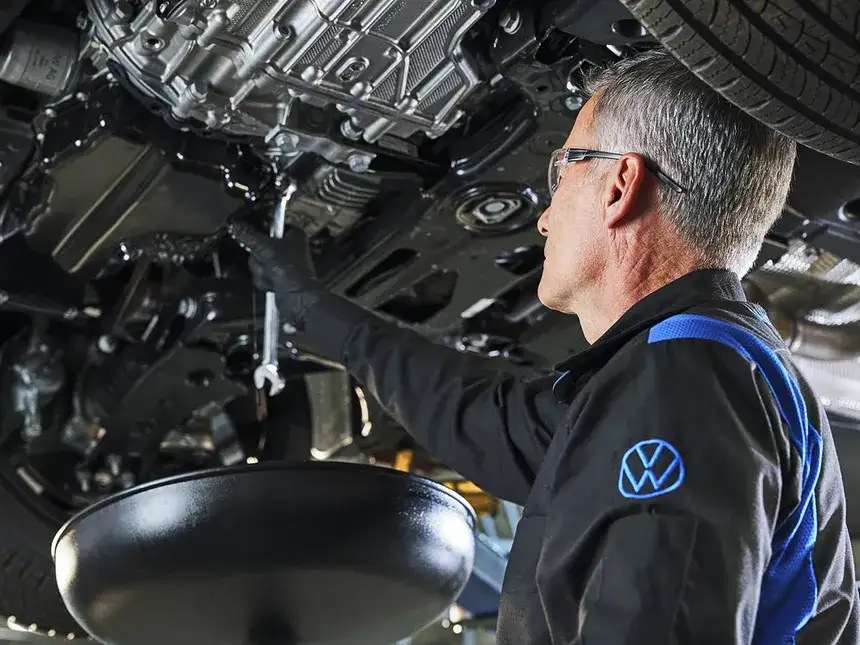
Last month, a 2024 Tiguan arrived at our service center with a failed high-pressure fuel pump at 34,000 miles. The owner had been using discount gas stations exclusively and extending oil changes to 12,000 miles based on outdated advice from a previous generation Tiguan. The fuel system contamination combined with degraded oil destroyed the pump’s precision components. The repair cost $2,400. The proper maintenance they should have been following? Premium fuel plus oil changes every 10,000 miles would have totaled just $820 over the same period.
Your 2025 Volkswagen Tiguan represents the most significant redesign this SUV has seen in years. The third-generation model brings a completely new engine, updated transmission technology, revised electrical architecture, and modified maintenance requirements that differ substantially from previous Tiguans.
Here’s what catches most new Tiguan owners completely off guard: the service schedule that kept your 2023 or earlier model running doesn’t apply to your 2025. New engineering means new needs, and following outdated information or generic advice puts your warranty at risk and sets you up for expensive repairs.
This matters especially in West Virginia, where our mountain driving, elevation changes, winter weather, and temperature extremes create maintenance demands that vehicles in flatter, more moderate climates don’t experience. Your Tiguan was designed for these conditions, but only delivers its intended reliability when maintained according to the updated 2025 specifications.
What Actually Changed for 2025
Your 2025 Tiguan features an all-new 2.0-liter turbocharged four-cylinder engine producing 201 horsepower. This replaces the previous EA888 engine with a completely redesigned powerplant that uses different oil specifications, modified cooling passages, and updated turbocharger technology. The engine looks similar from the outside, but internally it’s fundamentally different.
The turbocharger system received significant updates including revised wastegate control, improved bearing materials, and modified oil passages for better lubrication. These improvements increase reliability and performance, but they also require specific maintenance that differs from previous models. The oil specification changed to meet Volkswagen’s latest VW 508 00/509 00 standard, which isn’t interchangeable with older specifications despite similar viscosity ratings.
Your transmission is the new eight-speed automatic that replaces the previous DSG dual-clutch in most models. This conventional automatic uses different fluid, operates at different pressures, and requires service at intervals that don’t match the older DSG schedule. Owners coming from previous Tiguans need to understand this isn’t just a minor update. It’s a completely different transmission with different maintenance needs.
The electrical system architecture was redesigned with new control modules, updated communication protocols, and additional sensors throughout the vehicle. This affects everything from how software updates are performed to how diagnostic procedures work. Generic scan tools can’t fully communicate with your 2025 Tiguan’s systems, which is why Volkswagen-specific service becomes even more critical than with previous generations.
“The biggest mistake we’re seeing is owners treating the 2025 Tiguan like their previous model,” says David Kowalski, Master Technician at our Lodgeville Road location. “They assume the same oil, same intervals, same procedures apply. Then we find engine wear at 20,000 miles from using wrong specifications, or transmission issues from following outdated service schedules. The 2025 is different enough that old habits cause real damage.”
An early adopter brought his 2025 Tiguan to us last fall after experiencing reduced performance and increased oil consumption. He’d been following the maintenance schedule from his 2022 Tiguan, using the same oil specification he’d always used. At just 15,000 miles, we found measurable wear on the turbocharger bearings and carbon accumulation on intake valves beyond what we’d expect. The wrong oil specification, though only slightly different, didn’t provide adequate protection for the redesigned engine’s tighter tolerances.
His situation breakdown:
- Following outdated maintenance schedule: three services with wrong oil
- Developing turbocharger wear: early symptoms showing
- Excessive carbon buildup: affecting performance
- Corrective service and monitoring: $680
- Potential turbocharger replacement if continued: $3,200-3,800
What he should have done:
- Follow 2025-specific maintenance requirements from day one
- Use correct VW 508 00/509 00 specification oil
- Smart total: Same service cost, proper protection, no wear issues
The New Service Schedule You Need to Follow
Your 2025 Tiguan follows what Volkswagen now calls the “Flexible Service System” with a base interval of 10,000 miles or one year for oil changes. However, this assumes you’re using the exact oil specification required and driving under normal conditions. West Virginia driving conditions qualify as severe duty in several categories, which can shorten these intervals.
Every 10,000 miles or annually, your Tiguan requires oil and filter service using VW 508 00/509 00 approved synthetic oil. This specification is critical. It’s a low-SAPS (Sulfated Ash, Phosphorus, and Sulfur) formulation designed specifically for modern turbocharged engines with emissions equipment. Using conventional 5W-30 synthetic that “meets industry standards” will cause long-term damage to your particulate filter and catalytic converter.
The oil capacity increased slightly in the 2025 model to 5.3 quarts, up from 4.9 quarts in previous versions. This supports the improved cooling system and provides better lubrication reserve for the turbocharger. During oil changes, the technician must also inspect the turbocharger oil feed and return lines for leaks or restrictions, a specific check point added for 2025 models.
At 20,000 miles comes your first major inspection including cabin air filter replacement, brake system evaluation, tire rotation, and comprehensive underbody inspection. West Virginia’s road salt makes this underbody inspection particularly important. We regularly find corrosion starting on brake lines, fuel lines, and suspension components that need protective coating before rust becomes structural.
Every 30,000 miles, your dust and pollen filter requires replacement. This is different from the cabin air filter and protects your engine management sensors from contamination. Your brake fluid needs testing for moisture content, and your DSG transmission (if equipped instead of the automatic) requires fluid service. The conventional eight-speed automatic doesn’t need service until 40,000 miles under normal conditions.
At 40,000 miles, your transmission service becomes due along with spark plug inspection, air filter replacement, and what Volkswagen calls the “major service inspection.” This comprehensive check covers everything from exhaust system condition to coolant concentration to drive belt condition. This service typically runs $650-850 depending on what’s actually needed.
What Premium Fuel Really Means for Your Tiguan
Your 2025 Tiguan’s engine was designed and calibrated to run on premium fuel with an octane rating of 91 or higher. The owner’s manual states this as a requirement, not a recommendation. Using regular 87 octane fuel doesn’t cause immediate damage, but it does cause the engine computer to retard ignition timing to prevent knock, which reduces power and efficiency.
Over time, using regular fuel creates additional problems. The engine runs richer to compensate for the timing retardation, which increases carbon buildup on intake valves and spark plugs. This buildup eventually causes rough idle, misfires, and reduced performance that requires professional cleaning to resolve.
A Tiguan owner came to us last winter after noticing hesitation during acceleration and reduced fuel economy. He’d been using regular 87 octane fuel since purchasing the vehicle six months earlier, thinking he’d save money on fuel costs. At just 8,000 miles, we found significant carbon deposits on the intake valves and spark plugs showing unusual wear patterns. The carbon cleaning service cost $580. The premium fuel he should have been using would have cost approximately $180 more than regular fuel over the same period.
His cost breakdown:
- “Savings” from using regular fuel: $180 over 8,000 miles
- Carbon cleaning service at 8,000 miles: $580
- Lost fuel economy from retarded timing: approximately $120
- Total consequence: $520 loss plus accelerated wear
What premium fuel would have cost:
- Extra cost over regular: $180
- Maintained clean engine and optimal performance: included
- Smart total: $180 prevents $700 in consequences
The fuel system in your 2025 Tiguan operates at significantly higher pressures than previous models, exceeding 2,900 PSI during peak demand. This high-pressure system requires clean fuel with proper detergent packages to prevent injector coking and pump wear. Top-tier gasoline brands include additives that protect these precision components, while discount brands often use minimum additive packages that meet legal requirements but don’t provide optimal protection.
Using premium fuel from reputable stations isn’t about brand snobbery. It’s about protecting a $35,000+ investment in sophisticated German engineering that requires specific fuel properties to function as designed. The $3-4 per tank premium over regular fuel is negligible compared to a $2,400 fuel system repair or $680 carbon cleaning service.
Transmission Service Reality for the New Eight-Speed
Your 2025 Tiguan’s eight-speed automatic transmission represents a significant departure from the DSG dual-clutch that many previous Tiguans used. This conventional torque converter automatic requires different maintenance at different intervals than owners of previous models might expect.
Volkswagen specifies the first transmission service at 40,000 miles for normal driving conditions, with services every 40,000 miles thereafter. However, severe duty conditions including mountain driving, trailer towing, extended idling, or operation in temperature extremes can shorten this to 30,000 miles. West Virginia’s terrain and elevation changes qualify.
The transmission service involves more than just draining and filling fluid. The eight-speed uses an internal filter that must be replaced during service, requires the transmission pan to be removed for thorough inspection, and needs the fluid filled to a precise level at operating temperature using specialized equipment. This isn’t a service you want performed at a quick-lube shop.
We serviced a 2025 Tiguan last month that had 38,000 miles with original transmission fluid. The owner had assumed that “lifetime fluid” meant never change it, not realizing that Volkswagen defines “lifetime” as the expected service life under ideal conditions, approximately 120,000 miles. The fluid we drained showed visible metallic particles and had darkened significantly from heat degradation. The service cost $385, but we found early wear on the valve body that wouldn’t have occurred with proper maintenance at 30,000 miles.
What West Virginia Roads Do to Your Tiguan
Your Tiguan faces unique challenges from our mountain terrain and seasonal weather. The elevation changes between Bridgeport and Morgantown, or driving through the Appalachian passes, create constant load on your engine and transmission that accelerates fluid degradation and component wear.
Downhill sections put tremendous stress on your braking system. Temperature cycling from repeated brake applications can warp rotors and fade brake pads faster than flat-road driving. We recommend brake inspections every 10,000 miles for Tiguans regularly driven in mountainous areas, versus every 20,000 miles for predominantly flat terrain driving.
Winter road salt is corrosive to every metal surface it contacts. Your Tiguan’s aluminum engine block and transmission case are particularly vulnerable to salt-accelerated corrosion. Undercoating and regular underbody washes during winter months provide critical protection. We’ve seen 30,000-mile vehicles with rust forming on brake lines and fuel lines from salt exposure that could have been prevented with proper care.
The freeze-thaw cycles from December through March stress every seal, gasket, and hose on your vehicle. Rubber components become brittle in cold temperatures, then expand in warmth, creating microscopic cracks that eventually become leaks. This is why we see more coolant leaks, oil seeps, and transmission fluid weeps in late winter and early spring.
A Tiguan owner came to us last April after noticing a coolant smell but no visible leaks. During inspection, we found the upper radiator hose had developed small cracks from winter temperature cycling. The hose would have failed completely during summer heat, likely causing engine overheating and potential head gasket damage. The hose replacement cost $180. The towing and potential engine damage from roadside failure would have exceeded $2,000.
Warning Signs Your 2025 Tiguan Needs Attention
Your Tiguan’s sophisticated electronics often compensate for developing problems until they become serious. The engine control module continuously adjusts fuel delivery, ignition timing, and boost pressure to maintain smooth operation even as components age. By the time you notice performance changes, the underlying issue is usually well advanced.
Watch for any unusual sounds from the engine bay, particularly during cold starts. A brief whistle or whine that disappears as the engine warms indicates turbocharger bearing wear or wastegate issues. This sound is your early warning before the turbo develops shaft play and starts burning oil or losing boost pressure.
If your check engine light illuminates, even briefly, the vehicle stores diagnostic codes that reveal what happened. Common codes on 2025 Tiguans include oxygen sensor issues from low-quality fuel, evaporative system codes from failed purge valves, and boost pressure deviations from turbocharger problems. These issues are least expensive when addressed immediately rather than after they cause secondary damage.
Pay attention to fuel economy changes. Your 2025 Tiguan should average 24-26 MPG in combined driving with normal loads. A sudden drop of more than 2 MPG without obvious cause like winter fuel blends or extreme cold suggests something needs attention. Often it’s spark plugs, air filters, or carbon buildup affecting combustion efficiency. 🔧
Watch for transmission behavior changes. Your eight-speed should shift smoothly and imperceptibly under normal acceleration. Any hesitation between shifts, harsh engagement when accelerating from a stop, or gear hunting at steady speeds indicates fluid degradation or mechanical issues that need immediate diagnosis.
Any oil consumption beyond what’s specified in your owner’s manual requires investigation. The 2025 engine should use minimal oil between changes. If you’re adding a quart between services, the turbocharger seals, piston rings, or valve stem seals may be wearing prematurely, often from incorrect oil specification or extended service intervals.
Your 30-Day Tiguan Care Plan
This week: Verify you’re using the correct fuel and oil specifications for your 2025 Tiguan. Check your recent gas receipts to confirm you’ve been using premium 91+ octane fuel. Review your service records through the MyVW app or your service center’s portal to verify that oil changes used VW 508 00/509 00 approved oil, not generic synthetic. If you find you’ve been using wrong specifications, schedule an inspection to assess any developing wear. Calculate your next service due date based on 10,000 miles or one year from your last oil change, whichever comes first. This verification takes about ten minutes but ensures you’re protecting your investment correctly.
Within two weeks: Perform a comprehensive visual inspection focusing on items affected by West Virginia conditions. Check all tire pressures and look for uneven wear that might indicate alignment issues from hitting potholes on Route 50 or Route 20. Inspect the underbody for any rust spots on brake lines, fuel lines, or exhaust components that need protective coating. Look under the hood for any oil seepage around the turbocharger oil lines, valve cover, or oil filter housing. Check your coolant level in the expansion tank and look for any signs of leaks or weeping around hose connections. Document everything with photos for your service advisor.
By month’s end: Schedule your next service appointment even if it’s several weeks away. If you’re approaching 10,000, 20,000, 40,000, or any major interval, get it on the calendar now. Mention any warning signs you’ve noticed and ask specifically about underbody inspection if you’ve been driving through road salt. Request confirmation that your previous oil changes used the correct 2025 specification oil. These three checks take less than twenty-five minutes total but establish proactive habits that prevent the expensive failures we see from reactive maintenance.
The Investment Math for Your Redesigned Tiguan
Consider what proper maintenance according to 2025 specifications actually costs versus the consequences of following outdated schedules. For your first 40,000 miles, correct maintenance includes four oil changes at approximately $125 each ($500), one transmission service ($385), multiple filter replacements ($280), spark plug inspection ($95), and routine inspections included in services. Total investment over three years: approximately $1,600-1,900.
Now compare that to what we see from owners who followed previous generation schedules or used incorrect specifications. One turbocharger replacement from wrong oil ($3,600), one carbon cleaning service from regular fuel ($580), one fuel system repair from contamination ($2,400), one transmission service with existing wear ($485), plus maintenance that eventually happened anyway. Total: $7,000-8,500, not including inconvenience, rental cars, and reduced resale value.
The warranty implications are critical with a redesigned model. Volkswagen’s comprehensive warranty requires documented proof of maintenance using approved fluids meeting exact specifications. Use wrong oil, extend intervals beyond recommendations, or skip required services, and you’ve potentially voided coverage for related damage. An engine failure at 35,000 miles that should be warranty-covered becomes your $9,000-12,000 expense if maintenance records show non-compliant oil or extended intervals.
Your 2025 Tiguan was engineered to deliver 150,000+ miles of reliable service when maintained according to its specific requirements. The updated engine, transmission, and systems require attention to details that didn’t matter as much on previous generations. Following generic advice or assuming previous Tiguan schedules apply is the fastest way to expensive problems.
Schedule your 2025 Tiguan service today by calling our service department or booking online through your MyVW app. Our factory-trained technicians receive specific training on third-generation Tiguan systems, use genuine Volkswagen parts and VW-approved fluids meeting exact specifications, and follow the updated procedures Volkswagen engineering developed for your redesigned SUV.
You’ll find us at 730 Lodgeville Road in Bridgeport, conveniently located just off Route 50 and easily accessible from Clarksburg, Fairmont, and throughout Harrison County. We offer detailed explanations of what’s new for 2025, transparent pricing with no surprises, and the confidence that comes from specialized care for your redesigned Tiguan.
Proper maintenance following 2025 specifications protects your investment, prevents the engine and transmission problems that come from outdated schedules, and ensures your redesigned Tiguan performs exactly as Volkswagen engineered it for West Virginia driving. That’s the reliability proper service delivers.
0 comment(s) so far on 2025 Volkswagen Tiguan Maintenance: What’s New Under the Hood